Today, 29th May, Forkful celebrates National Biscuit Day!
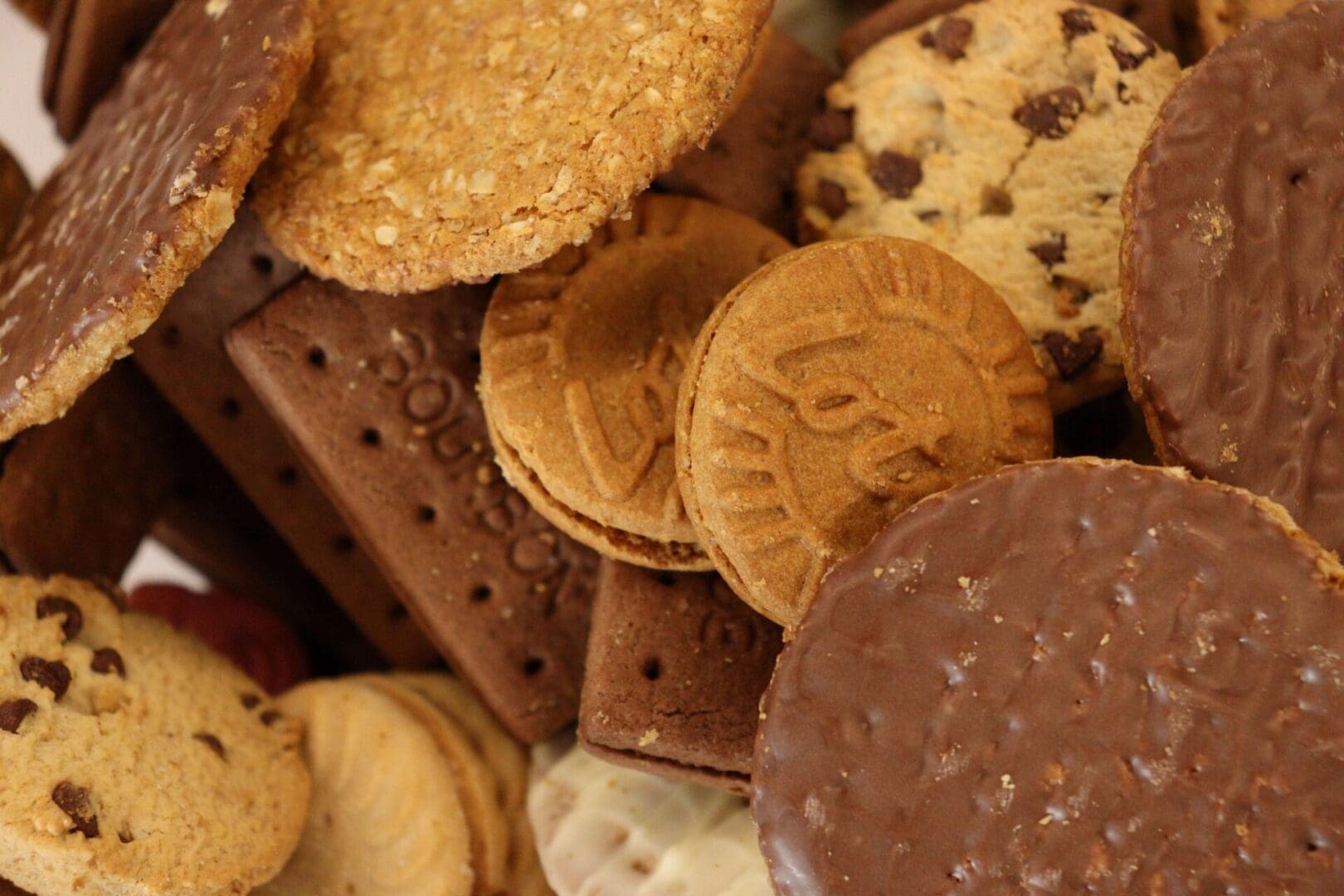
Few foods are as comforting as biscuits. Whether it’s chocolate digestives with a cup of tea or a pack of custard creams scoffed in one go.
The earliest forms of biscuits were nothing like they are today. Ancient civilisations created hard, flat baked goods that could survive long journeys without going mouldy. In fact, the word “biscuit” comes from the Latin phrase meaning “twice cooked”, because they were baked once and then dried out in ovens a second time. Sailors and soldiers relied on these early biscuits for survival, although they were famously tough enough to break teeth.
Things began to change as trade routes expanded across Europe. Sugar, spices and butter became easier to access, allowing bakers to experiment with sweeter recipes. By the 17th and 18th centuries, biscuits had become more than just practical food. Wealthier families would serve delicate biscuits alongside tea and coffee, turning them into a symbol of status as much as a snack.
Britain’s biscuit obsession really took off during the Victorian era. Factories could suddenly mass-produce biscuits cheaply and quickly, meaning ordinary households could afford tins filled with bourbons, digestives and shortbread. Brightly decorated biscuit tins became common in kitchens across the country, and many people reused them to store sewing kits or random household objects instead.
Huntley & Palmers was one of the world’s first global biscuit manufacturers and helped make Reading internationally famous during the 19th century. Founded in 1822, the company pioneered industrial biscuit production, innovative packaging, and worldwide export networks. Their decorative tins became iconic, while improved transport links allowed biscuits to be shipped across the British Empire and beyond. Huntley & Palmers also transformed Reading’s economy, providing thousands of jobs and supporting the town’s growth into a major industrial centre. Biscuit production finally ceased in Reading in 1976 and the office block was demolished in the 1990s.
Who knew biscuits could be so contentious?
A dispute arose in the 1990s when McVitie’s argued that Jaffa Cakes should be classed as cakes, which are zero-rated for VAT, rather than biscuits, which are taxed. To prove their case, the company demonstrated that Jaffa Cakes become hard when stale like cakes, while biscuits go soft. A giant Jaffa Cake was even baked for the tribunal as evidence. The court ruled in McVitie’s favour, making the case a memorable example of unusual British tax law.
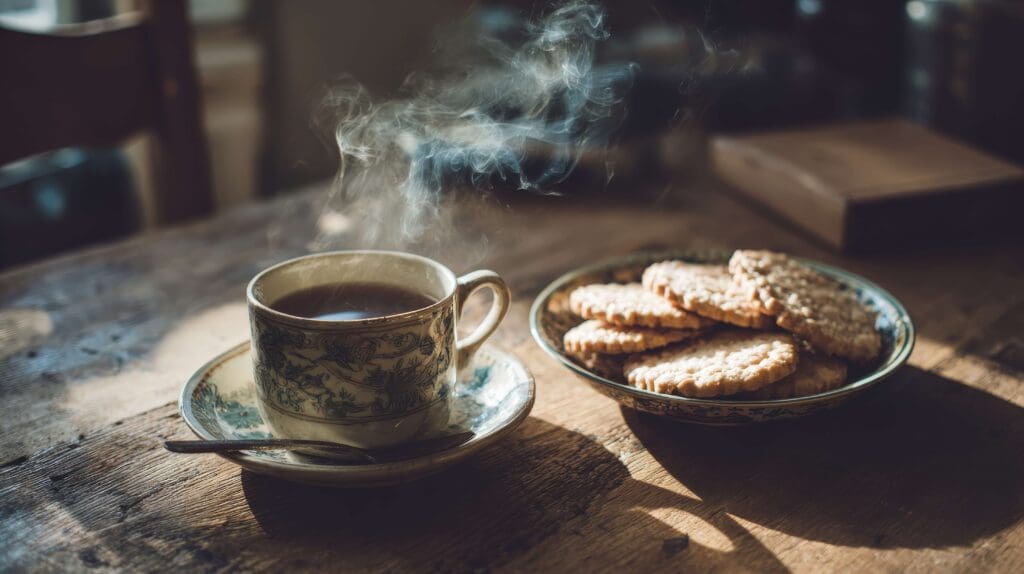
Biscuits have continued to evolve in recent years too. Supermarkets now sell flavours ranging from salted caramel to birthday cake, while luxury brands create handmade biscuits covered in gold leaf and expensive chocolate. At the same time, classic biscuits remain unchanged, still sitting beside mugs of tea exactly as they have for generations.
Want more history of food? Click on the links here for the history of meat, tacos, burgers and bread.