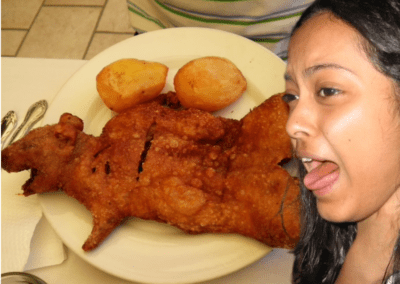
We’ve all been at the dinner table as a kid, being told to ‘just hold your nose and swallow’ whilst throwing a tantrum and reluctantly forcing down the vegetables you hated. But did it really work? Did the mushrooms, broccoli or suspicious casserole your mum swore was delicious actually taste any different?
Well, it turns out that childhood survival tactic revealed something important about how we actually experience flavour, it isn’t just happening on your tongue, your nose plays a huge role in eating.
Founding Director of the Centre for the Study of the Senses and Director of the Institute of Philosophy at the University of London’s school of Advanced Study, Professor Barry Smith, explores how our senses combine to give us what we know as eating. He says: “What makes the creation of foods, or the cooking of foods great is putting the smell, touch, look, feel and taste together so that it delivers all of those things in a really harmonious and unified way.
“But the one thats the lynch pin, if you take smell out of there, everything becomes incredibly bland.”
During the COVID-19 pandemic Professor Smith worked with clinicians and patient groups who thought they had lost their sense of taste. He says: “People I was working with would say to me ‘I can’t taste anything’ and I would ask them if they were sure it was their taste.”
He would ask people to put some salt, or lemon juice on their tongue and then see if they could taste that, and it was “all they could taste”.
“A lot of people lost their sense of smell during the pandemic, and some still haven’t got it back,” he says. “The food they were eating was just lacking all pleasure for them, and they thought they tasted everything with their tongue.
“But they came to realise that all the tongue gives you is salt, sweet, sour, bitter, savoury and umami, all those lovely fruit flavours, savouriness and the depth of flavour is all coming from the odors in the mouth going to the nose, and if that’s not involved, it’s like eating cardboard.”
According to the Institute of Culinary Education, aromatic compounds travel through the nasal passages to scent receptors which then send signals to the brain.
A 2014 study published in Science by C. Bushdid and colleagues have found that humans may be able to detect up to one trillion different scents using roughly 400 types of smell receptors. Together with our taste buds, scent helps shape the way we experience flavour.
Professor Smith explains: “When people we know of through head injury, or virus have lost the sense of smell for good, they have real difficulty making themselves eat.
“You have to try to make them interested by contrasting textures, temperatures or contrasting tastes like sweet and sour or salty and sweet.
“But it doesn’t give them anything like the same experience, so smell is huge to flavour.”
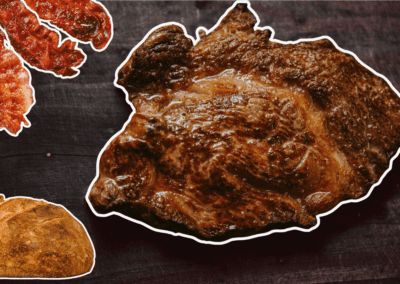
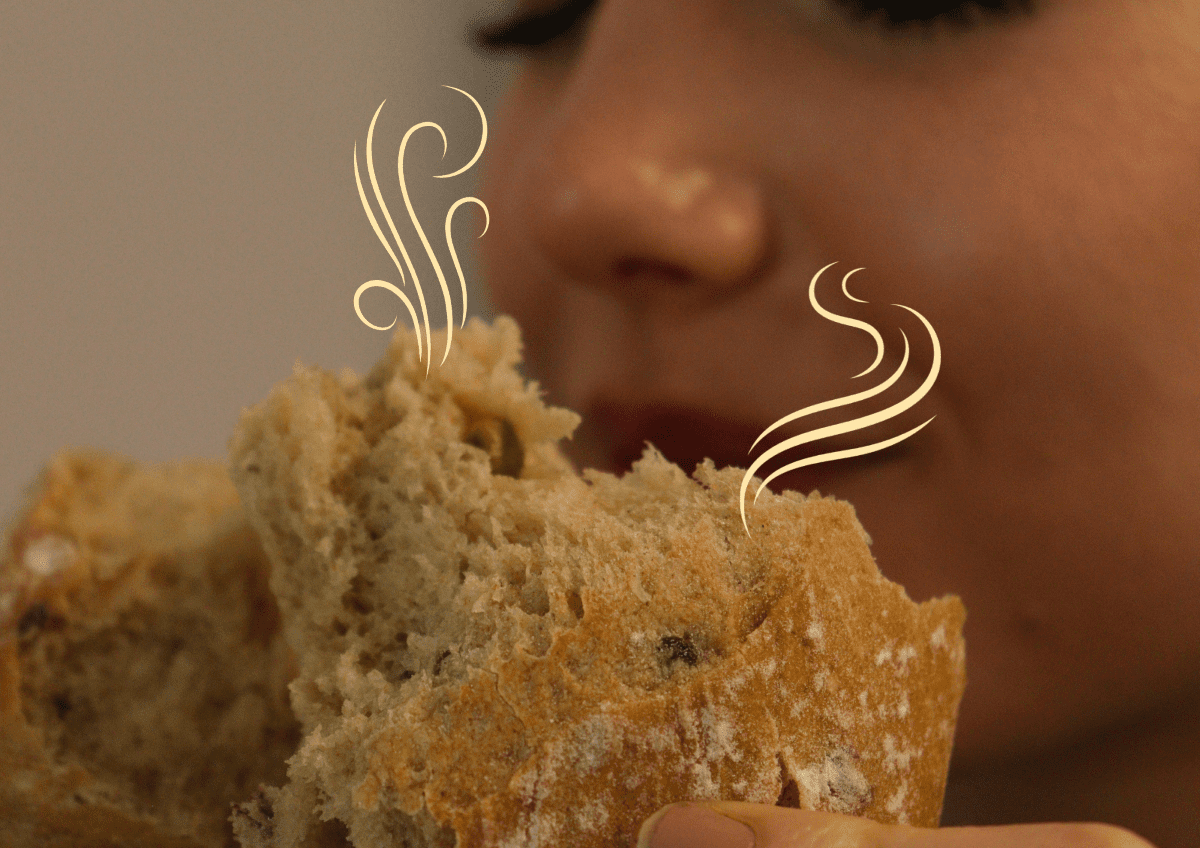
So maybe mum was right all along. Holding your nose really did make those vegetables taste different. Without smell, even our favourite foods can lose their comfort and excitement. So the next time you catch the smell of freshly baked bread, sizzling bacon in the morning or the birthday cake almost ready in the oven, remember, your nose has already started eating.