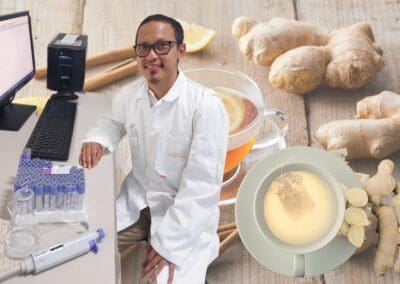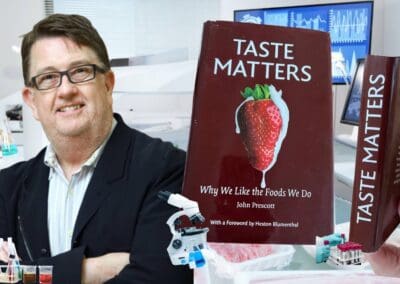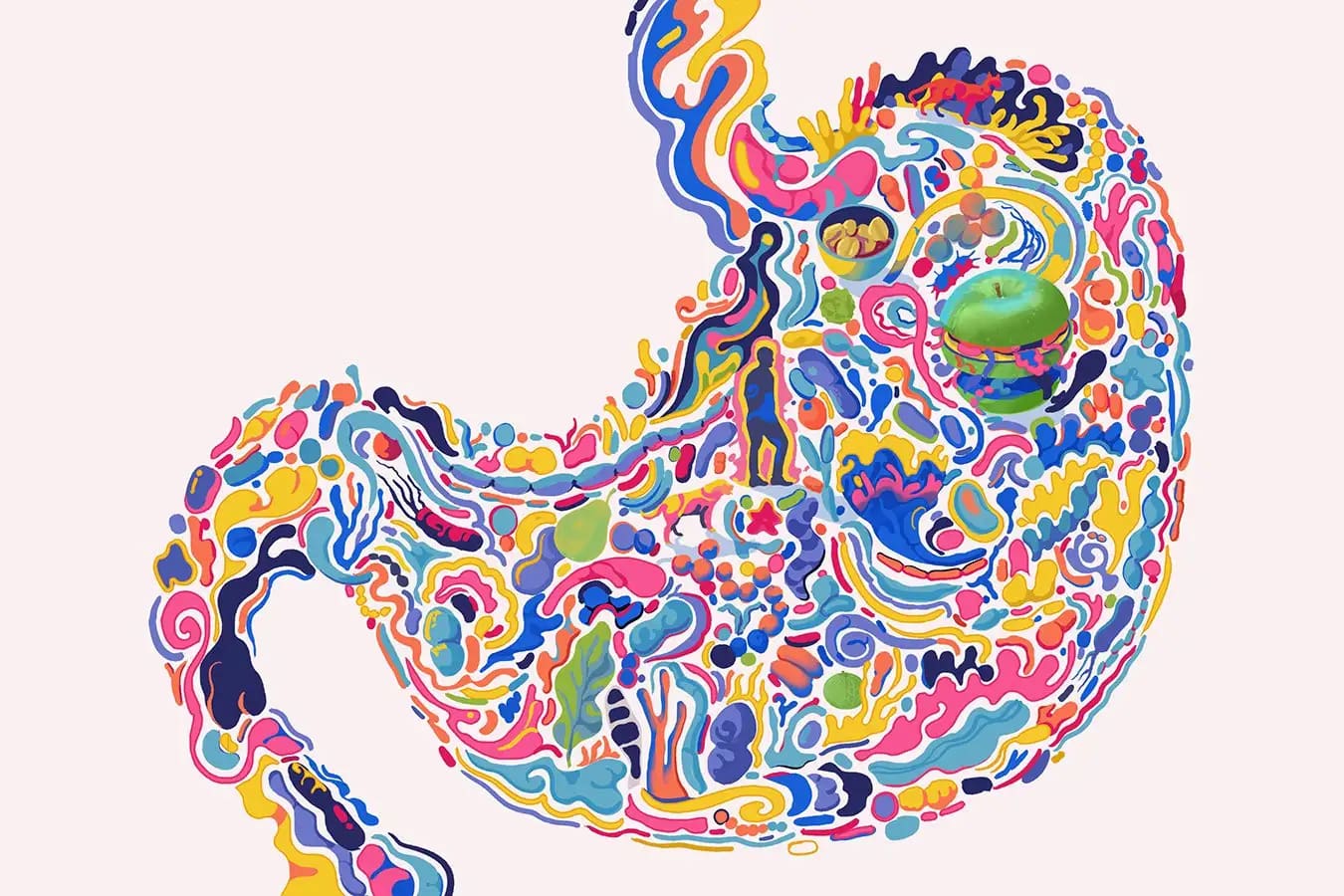
Meet Robert Herward, a Durham bioscience master’s graduate and the founder of the gut-health startup Trilotea. Rob doesn’t look at the human body as just a collection of organs, he sees it as a bustling safari park. We sat down with him to talk about the trillions of tiny tenants living inside us, why C-sections and alcohol shake up the gut, and why the ultimate cure for a bad microbiome might involve a very literal “reset button.”
Let’s start with the basics. What actually is the microbiome?
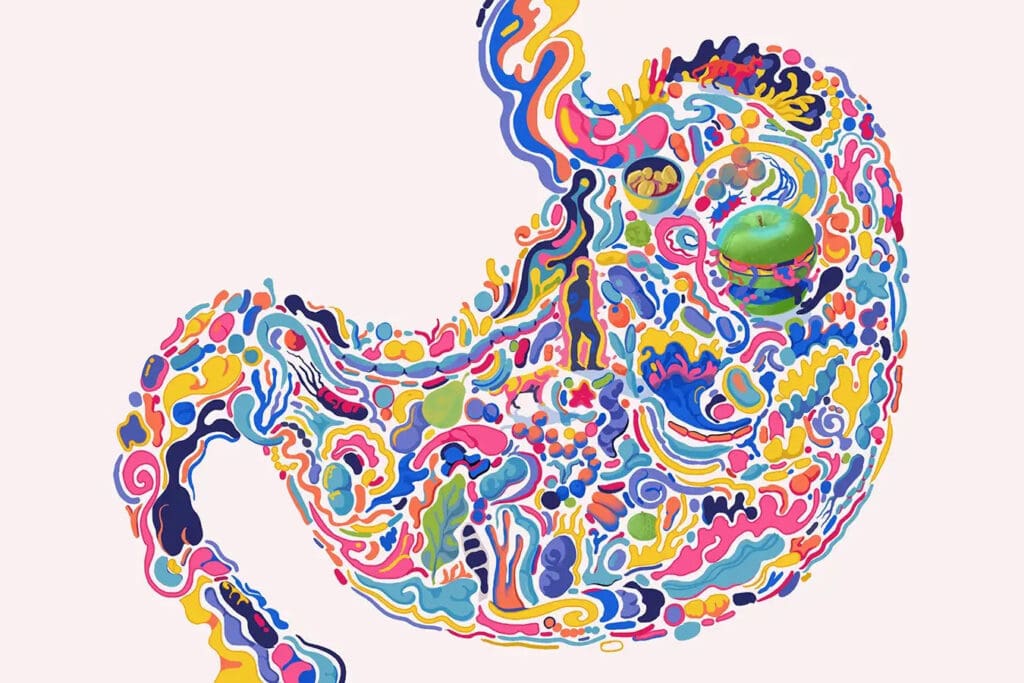
Rob: I suppose the way I like to look at it is that the microbiome is an ecosystem, just like you’d see anywhere else in nature: like a pond or a safari park. It’s an environment heavily dependent on its surroundings, which, in this case, is effectively the human gut.
Now, the human microbiome isn’t just limited to the gut; it’s throughout the entire body. It’s on your skin, in your nasal passages, and all along the gastrointestinal tract. But the gut microbiome is the one everyone is talking about because, over the past 10 to 20 years, we’ve discovered that it affects pretty much everything important to us. It modulates how we feel, how we deal with disease, our digestion, our fitness, our skin health, and even how we age.
Why are we only hearing so much about it now?
Rob: It’s all thanks to modern sequencing technology. In the last 20 years, riding on the coattails of the Human Genome Project, the Human Microbiome Project has been able to sequence the human microbiome exceptionally well. This helped us discover the “gut-brain axis” which is the direct linkage between your gut and your mind.
Because of that science, consumer awareness has completely shifted. We’ve moved away from people hearing the word “bacteria” and being terrified, to consumers hearing about bacteria and thinking, “Ooh, that’s a good thing. That’s health. That’s longevity.“ It’s created a massive boom from both a scientific perspective and a commercial market perspective.
The Myth of the “One-Size-Fits-All” Gut Fix
Walk me through the market. Products like kefir are everywhere now. What actually works, and what’s just marketing?
Rob: (Laughs) I feel like I can’t give too much credit to my competitors here! But honestly, it’s a really complex system, and that’s what makes it so fascinating. There’s no simple switch where your microbiome goes from “bad” to “good.” Everyone is an individual with their own unique imbalances, meaning different things work for different people.
Kefir is fantastic for a lot of people because it introduces massive variety into the gut. However, it’s less ideal for someone who needs one highly specific, consistent strain of bacteria, because kefir by nature isn’t consistent batch-to-batch. Some people genuinely benefit more from a single, daily probiotic strain (like a specific Lactobacillus)because that exact strain targets their specific issue.
The Golden Rule of Gut Health: If you take two people and give them the exact same meal or the exact same gut health product, it will never work 100% the same way for both. Everyone has a completely unique microbiome composition.
What dictates that unique composition?
Rob: It’s a massive interplay between your genetics, your environment, where you live, and how you grew up. But mostly, it comes down to the first few weeks and months of your life. That period has a profound impact on how your microbiome ends up looking sixty years down the line.
We all have roughly similar groups of bacteria. For example, we all have butyrate producers, which are crucial for maintaining a strong gut barrier. We have lactic acid bacteria (found in kefir and supplements) that help build the microbial community. On the flip side, we also host ammonia producers, which can actually help pathogens flourish and make things worse for us. But while the groups are similar, the specific strains and species vary wildly from person to person.
From Seconds After Birth to the “Grim” Reality of Transplants
You mentioned that the early weeks of life set up your microbiome. What does that mean practically?
Rob: It is more that is it a major window for development, the first few weeks and months shape the foundations of your microbiome, it’s also linked to lots of conditions delveloping (asthma is linked to specific gut bacteria). You do get a massive portion of your initial microbiome colonisation from your mother during and after birth. You are essentially sterile while inside the womb, but the moment you come out, you are exposed to bacteria, and they begin to flourish.
Because of this, being born via C-section has been shown to have a pretty significant delay on a child’s microbiome communities, compared to a conventional vaginal birth.
What exactly are you missing out on if you’re born via C-section?
Rob: To put it bluntly: it’s the vaginal bacteria you collect on the way out. It’s a similar logic to the breast milk versus formula debate: you’re getting a highly specific, evolutionary starter pack of microbes directly from your mother, with whom you share half a genome. Without that conventional exit, you generally get a less diverse initial microbial population.
Similarly, childhood factors like being allowed to play in the dirt versus being kept indoors also play a role. Adolescence and infancy are the key windows for microbiome modulation because that’s when the most permanent choices seem to happen.
If someone suspects they have a “bad” microbiome, how would they actually know?
Rob: You generally look at symptoms. The obvious ones are gut discomfort and digestive issues. But more subjectively, it can manifest as brain fog, sleep issues, or skin breakouts. It’s rarely the only factor, but it’s almost always a contributing one.
There is a there’s a lovely process where you essentially take a stool sample and send it off for genetic sequencing, but this is still experimental.
And if the results are terrible, how do you treat it?
Rob: Well, the most effective treatment is a lovely little thing called a fecal microbiota transplant (FMT). It is exactly as grim as it sounds.
Dare I ask what that involves?
Rob: (Laughs) You basically take a composition of a healthy donor’s microbiome, fecal matter that has been processed and cleaned up, and introduce it rectally. You are quite literally colonising your GI tract with someone else’s healthy bacteria. It sounds wild, but it has been shown to have incredibly dramatic, positive effects for severe conditions. It’s not entirely permanent, you still have to maintain it with your lifestyle, but it acts as a massive system reset.
The High-Fibre History Lesson & The Startup Solution
Let’s talk about daily maintenance. What foods damage the gut, and what foods build it up?
Rob: The absolute key player here is fibre. Right now, modern nutrition is finally waking up to the massive deficit we have: nearly 90% of people don’t get anywhere near enough fibre.
If you look back to when we were cavemen, we co-evolved alongside our microbiomes. Back then, humans ate an incredibly high-fibre diet. Fruit and veg were totally different; an ancient wild apple was tiny, tasted pretty bad, and was packed with non-digestible fibres. That non-digestible fibre is exactly what the microbiome feeds on. Our bacteria ferment that fibre to produce signals that talk to our brain, lungs, and heart.
But over thousands of years, we’ve bred crops to be bigger, sweeter, and juicier. They have a higher nutritional profile for us, but they have far less fibre for our microbiome. Combine that with processed meats, houses covered in bleach, and an overuse of antibiotics, and we are operating our gut at a much lower functional capacity than our ancestors did.
Is that what inspired you to start your company, Trilotea?
Rob: Exactly. There are over 10,000 research papers published on the microbiome every year, yet global gut issues aren’t getting any better. I wanted to look at the practicalities of the consumer market to understand why.
I found two main problems:
- Lack of Regulation: Because the market is so new, regulations are loose. High-quality, scientifically backed probiotics carry the exact same labels as cheaply manufactured products that do absolutely nothing.
- Human Behavior: Even when people buy the good stuff, they stop taking it. If their gut issue isn’t severe, they simply forget or can’t be bothered to maintain the routine.
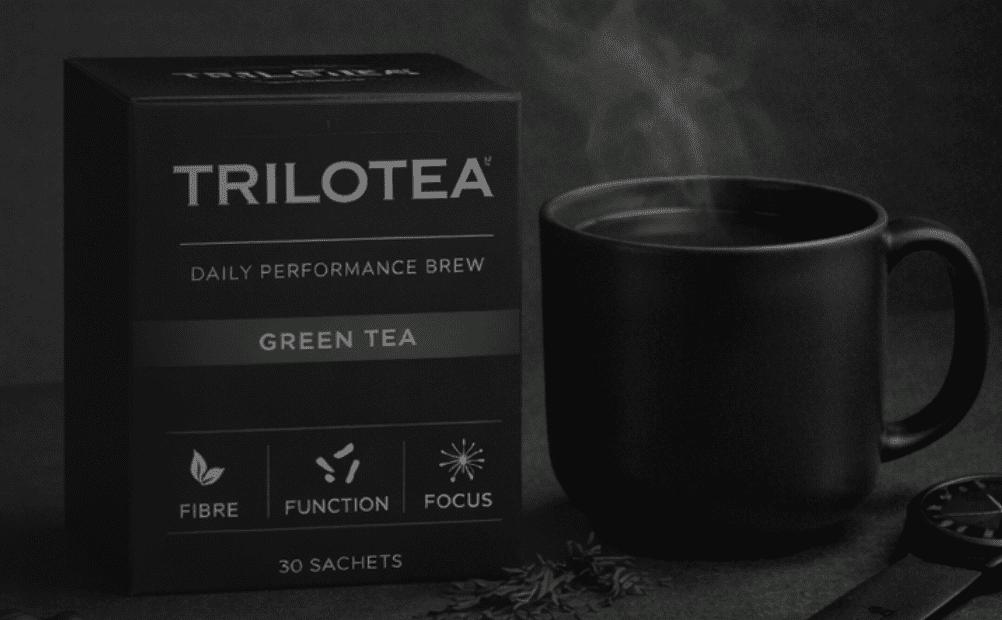
So, I looked at the wellness market to see what people do keep up with, and it boils down to ritualistic habits. In the UK, about 80% of people have a cup of tea every single day. My startup, Trilotea, is figuring out how to embed an effective gut therapeutic inside a tea-based carrier. It’s texturally and scientifically difficult because tea is piping hot and liquid, but we’re running our validation trials next week to see how well the cultures survive and how users feel.
Alcohol, Stress, and the Gut-Brain Feedback Loop
As a scientist, what’s the most upsetting thing you’ve uncovered in your research?
Rob: Realising just how catastrophically bad alcohol is for your microbiome. Even moderate amounts can completely disrupt the composition, causing what we call dysbiosis: where the bacterial communities just go completely all over the place.
Alcohol won’t destroy your microbiome, it just disrupts healthy bacteria communities.
Strong alcohol outright kills bacteria, but even lower concentrations like beer irritate the gut lining. That irritation damages the gut barrier, which directly affects the gut-brain connection. It’s going to be a tough conversation to have with myself in the mirror at some point!
If you go on a big weekend bender, how long does it take for the gut to recover?
Rob: The good news is that the gut is incredibly dynamic; it bounces back quickly. If you’re just trying to get back to feeling comfortable after a big night out, it usually only takes a couple of days of healthy eating, lots of fibre, a bit of live-culture yogurt, getting outside, and getting good sleep.
You’ve mentioned the mental health aspect a few times. How do stress and anxiety actually manifest in the gut physically?
Rob: Your gut produces the vast majority of your body’s serotonin, which microbes then regulate, synthesise and signal. Signals travel back and forth through the blood stream and the vagus nerve, basically checking in: “Everything fine down here? Yep, everything’s fine up here.”
But if you encounter a major stressor: whether that’s an emotional crisis, an illness, or terrible food, your intestinal wall can become more permeable. Inflammatory signals travel up to your brain and trigger the amygdala (the brain’s fear and stress centre). The brain then fires signals right back down to the gut saying, “We need to fight something or deal with a threat,” which causes physical discomfort and cramps. It becomes a vicious, self-fulfilling feedback loop.
The microbiome is, however, super adaptable and heals the same way as cuts and bruises. Modulation of this system back to our ancestors might be an exciting way to improve our comfort, health and happiness.
At the end of the day, it’s pretty simple. If you take care of your gut, your gut will take care of you.
For more about the gut click here.