You don’t have to ditch meat entirely, one swap a week is doing more for the planet than you’d expect.
I think we’ve all seen the growing influx of meat-free products decorate our shelves in recent years. From picnic eggs to vegan pepperoni, these alternatives have soared in popularity. Whether you’re a strict vegan, content flexitarian or just fancy a bit of a change, people are more and more frequently leaning towards the veggie options.
Flexitarianism, the practice of eating mostly a vegetarian diet but occasionally eating meat or fish has quietly become one of the most significant food trends of the decade.
It doesn’t demand sacrifice. It doesn’t require a label. It asks only that you be, well, flexible.
Shifting the Target
For decades, the conversation around sustainable eating has been fiercely polarised. You were either a committed carnivore or a strict vegetarian, with very few room for compromise in between.
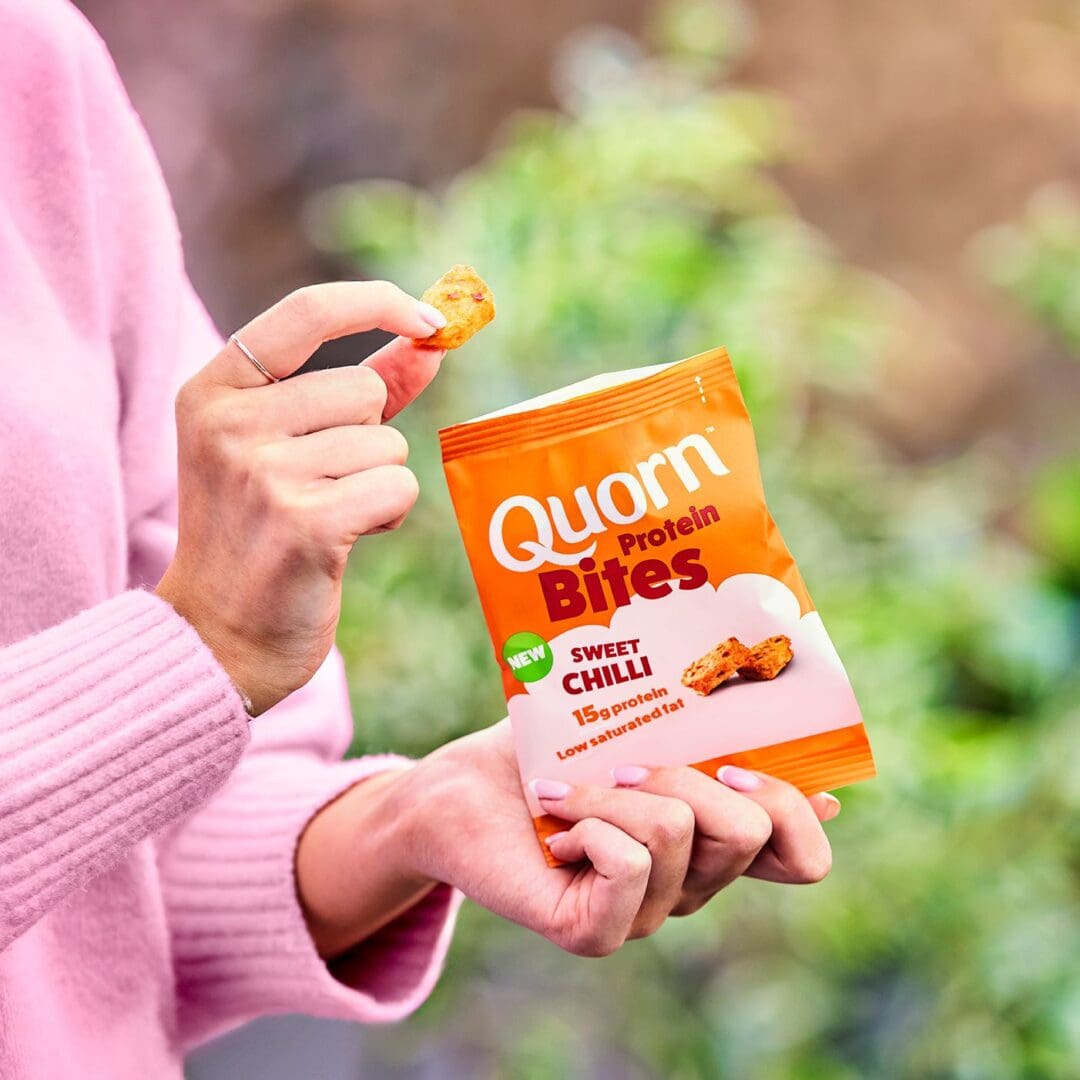
Meat alternatives like Quorn were historically viewed as niche products, but as time has evolved the rigid ‘all or nothing’ mindset seems to be dying out.
Instead, brands are now reframing who meat alternatives are actually for.
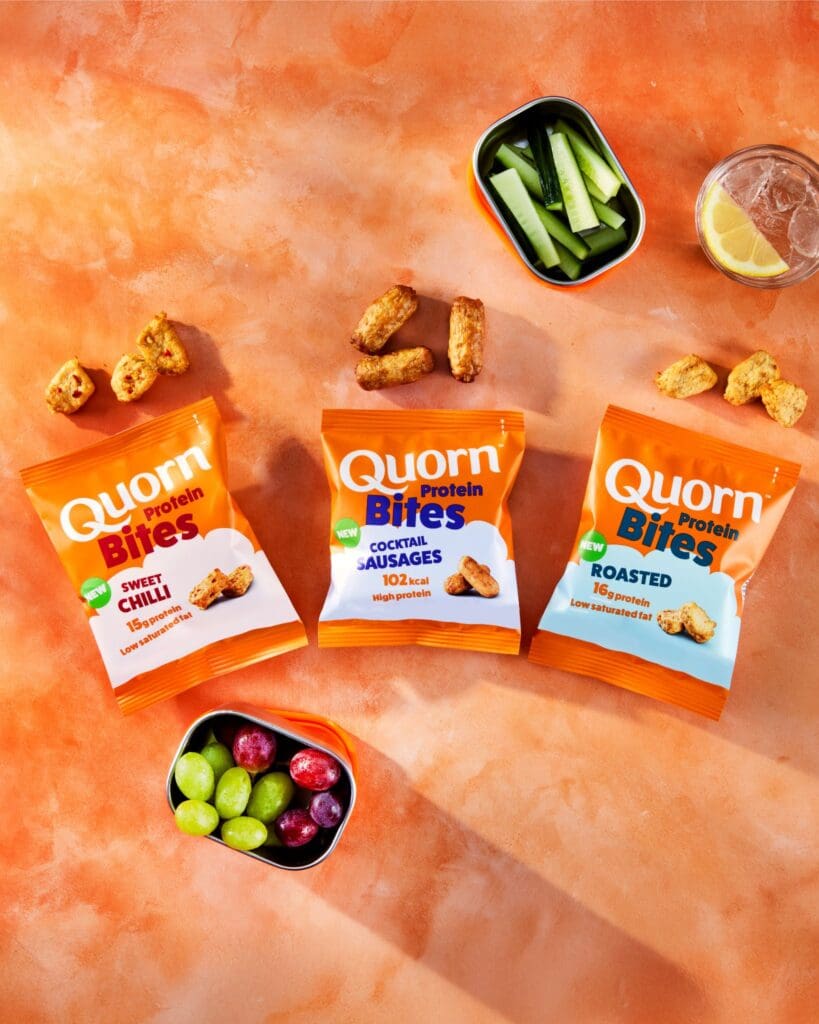
Amy Appleton, Marketing Executive for Quorn Foods says, “Quorn has long been recognised for its vegetarian and vegan products, but times have evolved. With the growth of the health and wellness market, we are perfectly positioned to meet the needs of consumers seeking more sustainable, healthier, high-protein, and high-fibre options. Health has become a key priority for shoppers, and our range helps support these choices.”
But reaching mainstream consumers requires more than a repositioning exercise. It means dismantling some long held assumptions about what meat-free food actually tastes like.
“A key ambition for us is to change perceptions and challenge the stigma that vegetarian and vegan foods are overly processed, lack taste, or are full of artificial ingredients.” explains Amy.
By overcoming those barriers, meat-free meals become a practical tool for everyday households.
According to Amy “It’s also a perfect choice for people who aren’t looking to go fully vegetarian or vegan but just want to make small, balanced changes. Quorn fits into that mindset by offering a simple swap that works for the whole household.
“For anyone interested in becoming more flexitarian, Quorn is a great place to start because it offers easy, familiar swaps along with a variety of options to suit different occasions.”
A Win for the Planet
This shift toward the mainstream is a welcome evolution for those who have spent years advocating for more sustainable diets.
Kat Macmillan, a dedicated vegan of six years, views the normalisation of flexitarianism as a serious win for the planet.
“I think overall it’s really fantastic that flexitarianism is mainstream,” says Kat, “because it’s so good for the environment. People don’t realise how much of a difference it makes to just eat a couple less meals containing meat a week.
“It’s a really good thing people are not in the ‘all or nothing’ mindset. I think plant-based on that level is really good that it’s being talked about.”
Rather than demanding total meat rejection, Kat says “I’m always encouraging people to eat less meat.”
The Cost Factor
There is another, perhaps more immediate reason more people are reaching for the plant-based option, it’s cheaper.
A report by Good Food Institute found that at Tesco, plant based meatballs were now 41% cheaper than their beef, lamb and pork equivalents, while plant based mince was almost a third (29%) cheaper than traditional minced meat.
In a cost of living crisis where household budgets are under pressure, the financial case for going flexitarian is increasingly difficult to ignore.
What was once a niche lifestyle choice is fast becoming an economical one.
More than just a Trend?
So where does that leave us? Flexitarianism is, by design, a middle ground.
For the food industry, it represents an enormous opportunity. A vast new audience of health conscious, budget aware consumers who are open to change but not yet ready for a full dietary overhaul.
For committed advocates like Kat, it’s an imperfect but meaningful step in the right direction.
And for the rest of us, swapping out your Tuesday spag bol for a meat free alternative is probably not a philosophical position at all.
It’s just dinner!