Most of us have spent our lives waging war on weeds. We pull them up, poison them, swear at them when they appear every year despite the hours spent yanking them out the garden. Yet some of those unwanted invaders are not only edible, but surprisingly nutritious.
From dandelions and nettles to wild garlic, foragers argue that many of the common plants we dismiss as weeds are nutrient-dense superfoods, which frequently match or exceed the nutritional profile of cultivated vegetables.
Free Nutrition We’re Missing Out on
“In modern consumer culture we go to supermarkets looking for a large quantity from a very small diversity of plants,” Robin Harford, founder of Eatweeds and one of the UK’s leading foraging instructors, says. “As foragers we have access to hundreds of plant species.”
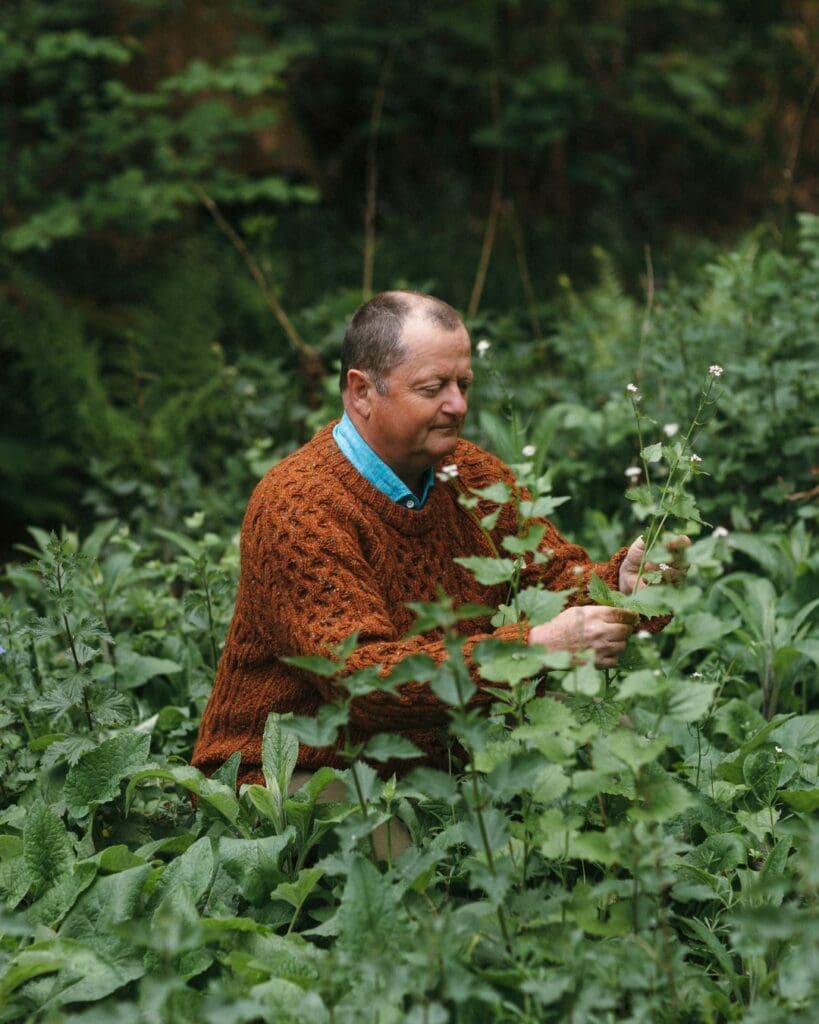
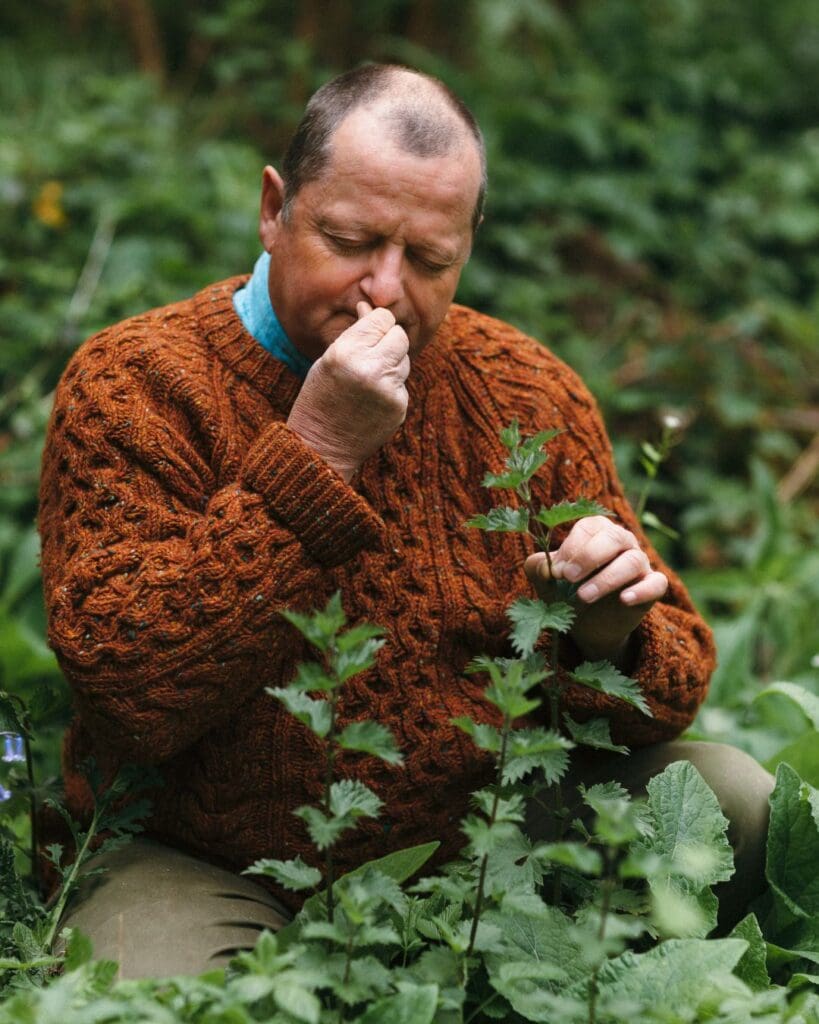
Harford has spent more than 15 years teaching people how to identify, gather and cook with edible wild plants. After losing his home, marriage and struggling with addiction, he spent more than a year homeless, travelling around Britain, surviving by teaching people about wild plants.
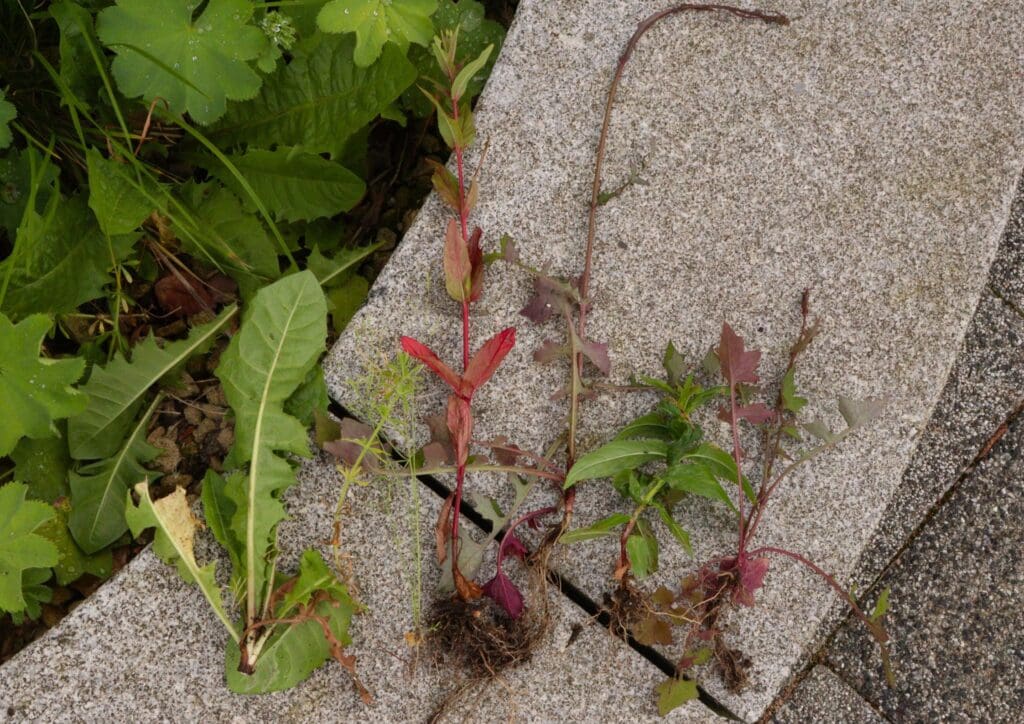
Eatweeds was born from the wild plant conversation, and guides people back to first-hand living through plant skills.
“When you visit land-centric cultures, not only those in Europe, but further afield,” he says. “You will find people eat wild plants as part of their regular diet.
“This is not about being a 100% wild food fanatic. These cultures supplement their farmed foods with wild edible plants.
“Available scientific research indicates that many wild edible plants are richer in certain vitamins, minerals, and bioactive compounds than comparable cultivated foods, sometimes by large margins.”
What Science Says: Protein, Fiber, and Minerals Hiding in Weeds
A 2023 study published in Heliyon suggests there may be more nutritional value hiding in weeds than most of us realise.
Examining several wild edible plants commonly eaten in rural Ethiopia, the study found that many contained significant amounts of protein, fibre and essential minerals such as iron, zinc and calcium.
The leaves of Black Nightshade stood out for its nutritional profile, particularly high in protein, dietary fiber, calcium, iron and zinc, and could be a candidate as a green vegetable.
Over 1,400 Edible Species: Rewriting the History of Foraging
One of Harford’s mentors spent 30 years in the British Library documenting wild food plants in the historical record, “he said around 150 wild edibles had been recorded.
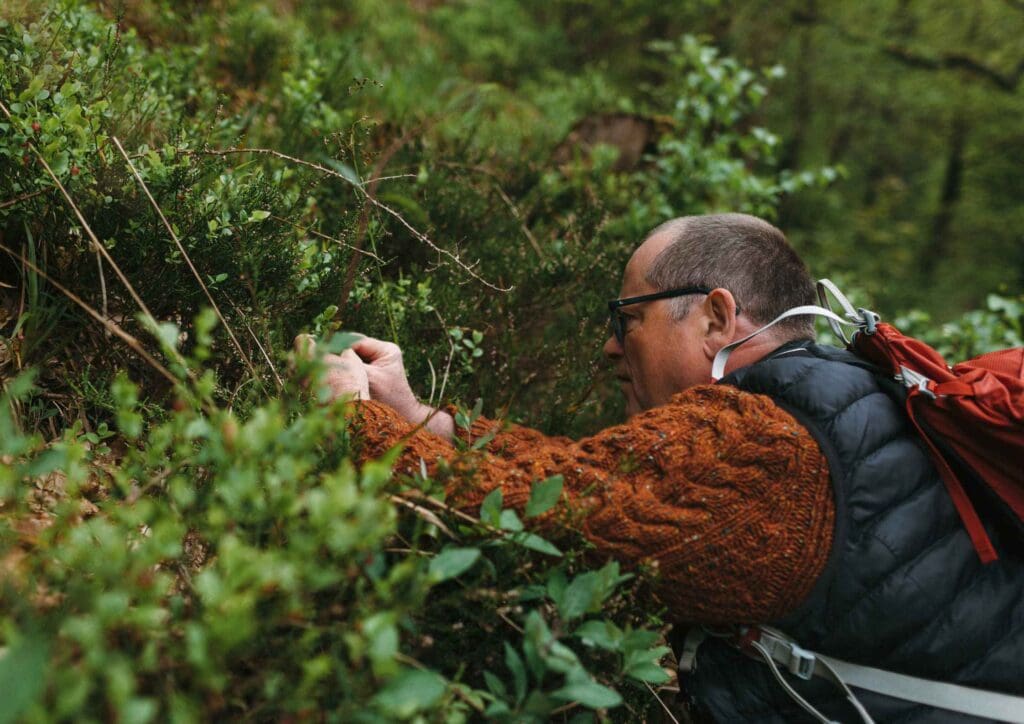
“The historical record was written by those who could read and write, the wealthy, merchant, and monastic classes. So a large number of wild food plants were never recorded. Deemed not worthy to refined tastes.”
Harford has researched and recorded over 1,400 wild edible plant species around the British Isles.
“The belief that foraging is hard and dangerous, that it is only for people who live in the country, or only for privileged, affluent middle-class people, is completely erroneous,” Harford says.
If You Can’t Beat Them, Eat Them: Backyard Weeds for Beginners
Janice Clyne @benourishedbynature, creator of the Wellness Hub Community has created a series on social media, ‘If you can’t beat them eat them’ where she talks about the nutritional benefits of typical garden weeds.
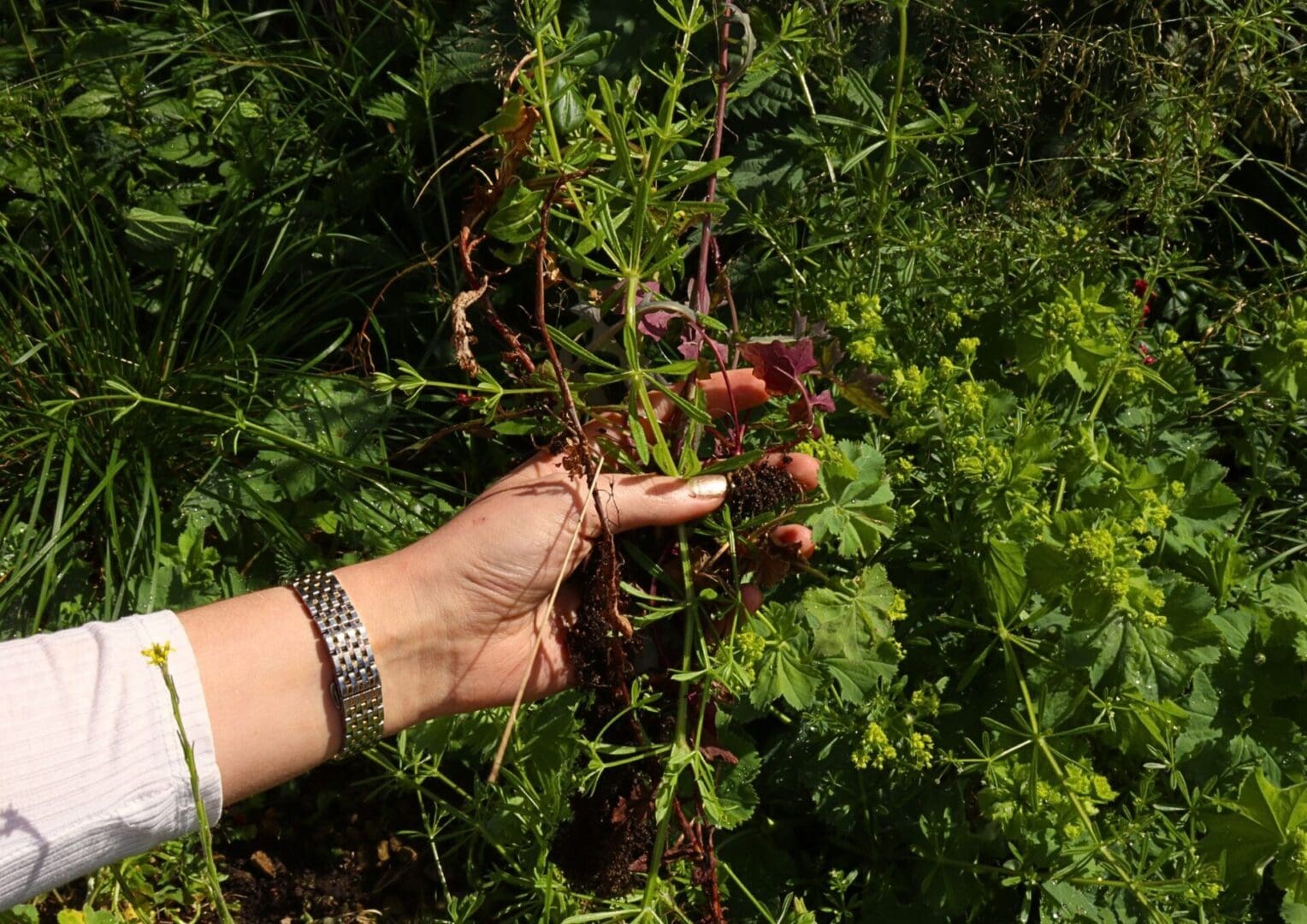
Recently Clyne made a video demonstrating why we can eat ‘sticky willy’, she said ‘It’s a fantastic plant’, one of the main benefits is the way it can cleanse our lymphatic system, part of our immune system.
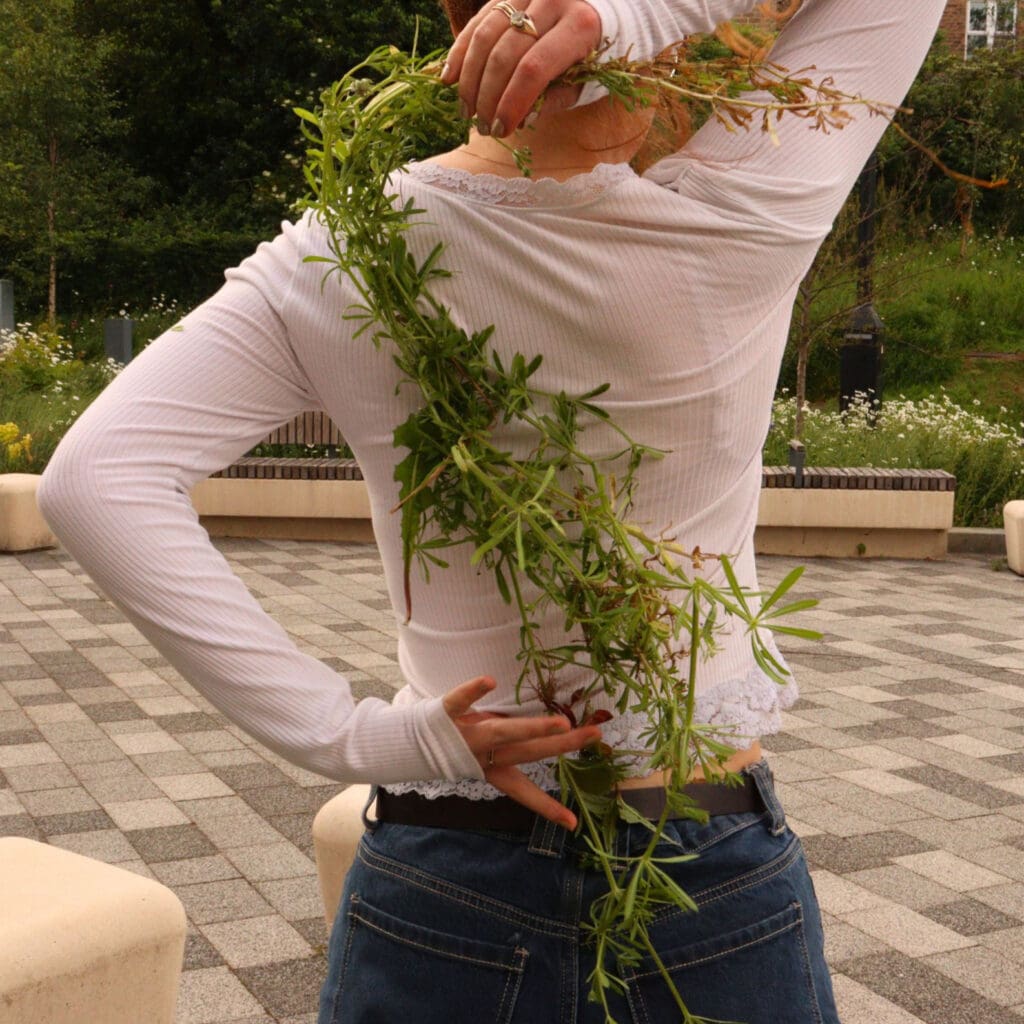
She says the easiest way to use it is to make a cold infusion with water overnight.
Harford says: “For people starting out, begin with the ones that you most likely know:
- stinging nettle
- dandelion
- ground elder
- wild mustards
- chickweed
- fat hen
- garlic mustard/jack-by-the-hedge
- horseradish
- common mallow
- plantain
- ramsons (what you would call wild garlic)
- elderflowers
- hawthorns
- rose hips
- bramble/blackberries
Foraging isn’t about abandoning supermarkets or surviving purely off nettle soup. Harford points out, it’s about adding a little more diversity to our plates. So the next time you’re out in the garden declaring war on a patch of weeds, it might be worth asking, are they really weeds, or is dinner growing right under your nose?
Binomial/scientific names can be found here.
Click here for a read all about soil and how it impacts our food.