Debating the origins:
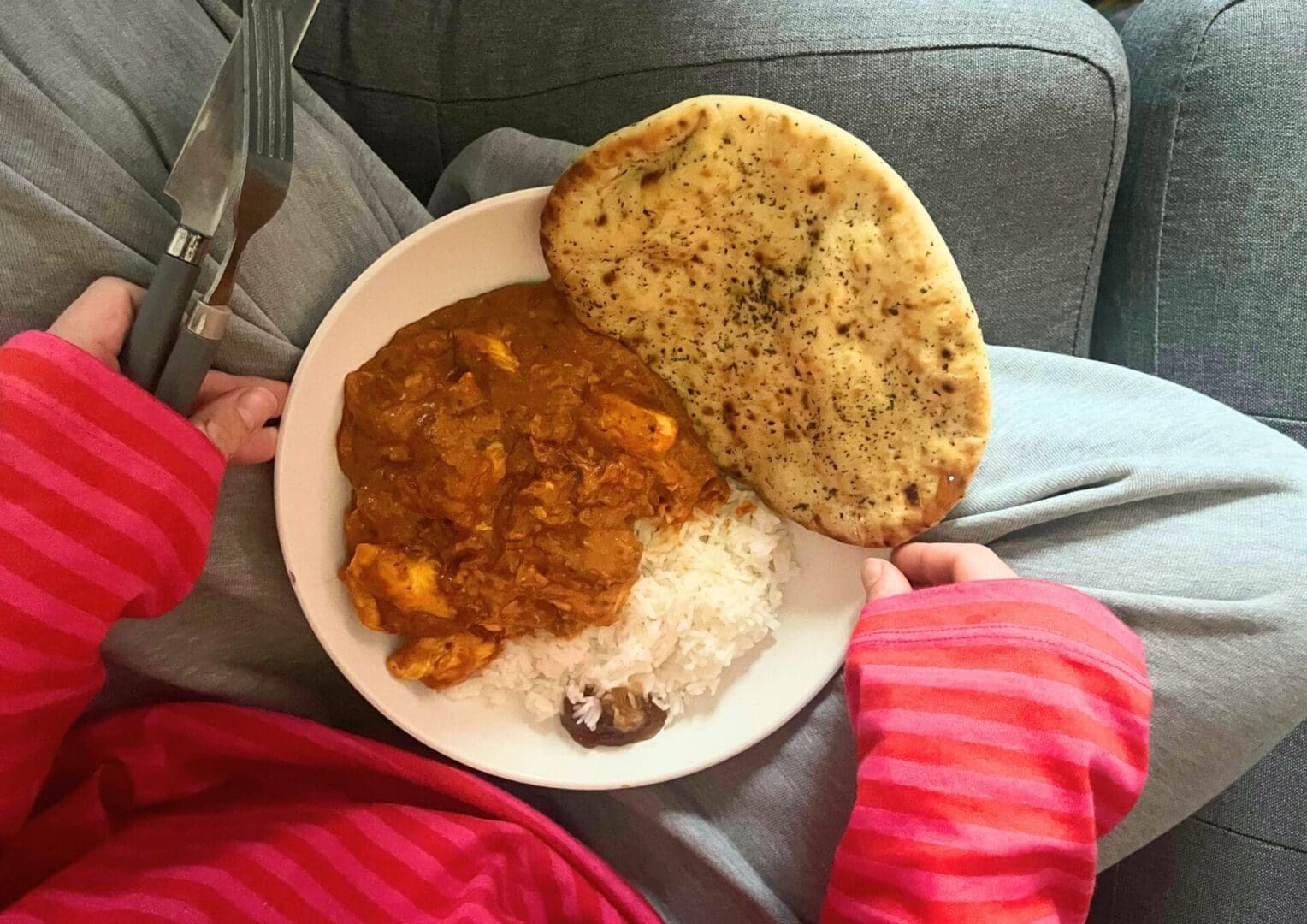
Walk through the bustling streets of New Delhi and there’s an array of curries, flavours and spices at your disposal, and yet no Chicken Tikka Masala in sight. But walk through the streets of London and you’re bound to find it in takeaways, restaurants and neatly packaged ready meals in your local Tesco Express.
So how has a curry become such a staple of British cuisine, yet unidentified by the Indian subcontinent? Some argue that the dish was created using the palate and spices of India, but experts agree the origins of the Masala are strictly British.

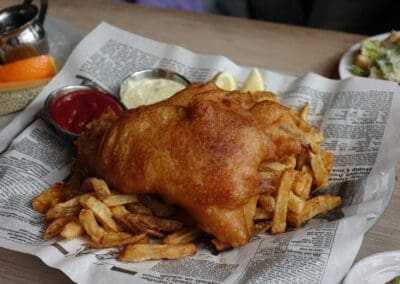
Food Historian, Dr Neil Buttery, explains how Chicken Tikka Masala has become so deeply ingrained in our culture. “From my point of view, it’s just as British as roast beef and Yorkshire pudding or fish and chips.
“It doesn’t exist outside of Britain and I can’t really see any other argument for it not being British. The people from the Indian subcontinent don’t recognise it as their cuisine so whichever way you slice it, it’s a British dish.”
Although its origins are heavily debated, experts agree that Chicken Tikka Masala is undoubtedly British, with legend crediting Pakistani-Scottish chef Ali Ahmed Aslam at the Shish Mahal in Glasgow as the creator of the dish, when he added a tin of tomato soup, cream and other spices to satisfy a disgruntled customer complaining of dry meat.
Whilst this story cannot be confirmed, experts do agree that the aftermath of war provided Britain with the perfect landscape for the emergence of a new dish.
“Lots of fish and chips shops began to close due to the war, and although people were interested in curries, the spices were still quite expensive,” explains Dr Buttery.
“Curry was a bit more middle class at this point. So the new restaurants opening up decided to make their traditional curries more attractive to people in Britain. For example, when you’d sit down in your curry house for a curry, you’d get bread and butter with it, because that was familiar to the British public and much more appealing.”
Cultural significance:
Authentic South Asian food was too spicy for the mid-century British palate, so heavier sauces and milder dishes (like Tikka Masala) became increasingly popular as a weekly ritual for Brits.
How the curry became assimilated into our culture is the focus of Professor Peter Jackson, who authored ‘A Cultural Politics of Curry: The Transnational Spaces of Contemporary Commodity Culture’.
He explains how retail is one of the most powerful tools for shaping our taste and how its presence as a regular purchasable commodity in shops led to the masala becoming part of our national identity.
“It’s so accessible now, if you think of the way in which people consume it in restaurants but they also eat it as a ready meal so they can just zap it in the microwave. It’s definitely more pervasive in terms of its availability.”
“Food isn’t just any old commodity, it’s one that we ingest and which literally becomes part of ourselves. We all eat so everyone has an interest, it’s material, physical, biological but also social and cultural,” explains Professor Jackson.
This explains why we were so quick to adopt the masala into our lives, but what is the impact of this culturally?
The Masala in British Culture and Politics:
In 2001, the UK Foreign Secretary Robin Cook delivered a speech about the Chicken Tikka Masala hailing it as a part of our identity and culture.
“Chicken Tikka Masala is now a true British national dish, not only because it is the most popular, but because it is a perfect illustration of the way Britain absorbs and adapts external influences,” said Cook.
In the years since, Masala has risen in popularity and yet still holds a significant place in our culture, in what Professor Jackson describes as a “paradox”.
“In a country which I think is still quite heavily, deeply racist, we can still cheerfully regard chicken masala and curry more generally as a national dish. I think it’s interesting, the paradox that we can eat curry, but still have racist attitudes towards the waiters and immigrants and asylum seekers,” Professor Jackson explains.
This leaves Chicken Tikka Masala as more than just a culinary staple and instead a culinary phenomenon.
So next time you’re scouring the shelves in the supermarket, question how a dish so fundamentally British can be marketed as an exotic outsider, with no connection to its presumed origin, but a deep, undeniable link to our own.