We all remember the pandemic. There was mass panic buying, empty shelves in the supermarkets and even a mass shortage of toilet roll as everyone raced to the stores to stock up for the end of the world.
Most people have probably reached a point now where they don’t see this as necessary, keeping hoards of loo roll and completely stocked shelves. The world has moved on, but maybe you shouldn’t. Ensuring you have the right food on you at the right time can make or break a survival situation.
Dr Saritia Robinson is a psychologist and survival expert, who runs the online blog Dr Survival. “When the pandemic hit the UK it was a bit of a wake up call, up until that point things have been quite reliable and safe,” she explains, “generationally, we don’t really have an awareness of how quickly things can go wrong. While some would argue being ready for another pandemic is a bit silly, I would argue that it is still needed.”
What Dr Robinson points out is that prepping is beneficial in all sorts of scenarios. “That’s the thing with an emergency, by its very nature it is unpredictable. It could be a big event like a pandemic, or it could be small and personal.” She offers the example of being laid off from work. “People who have saved up some money, and have filled the pantry with food are going to fare better in this time than those that haven’t.”
Dr Robinson began her journey into prepping while completing her degree in California, living on the San Andreas fault. “I did an option on human survival, and PhD on human behaviour in emergency situations. What was apparent was that in the heat of emergencies, there was not much you could do.
“If you planned, then your outcomes were better. Prepping was the thing that increased your chances of survival.
“Living on the San Andreas fault, it became apparent that natural disasters were quite common, and having an earthquake kit was a sensible idea. When I moved back to the UK, it was already evident to me that being prepared was the best thing for emergencies. It’s about micro-prepping, and thinking about things that might go wrong, and putting mitigations in place.
“What people don’t realise now,” she continues, “is that there is a lot going on in the world now. The war in Iran is threatening fuel prices, which are essential to food transport chains, and climate uncertainty is changing the way we farm. There are going to be far more floods and heatwaves.
“I don’t think that post pandemic there is no reason to prep, i just think people are unaware of the reasons to do so, and how fragile the systems in place can be.”
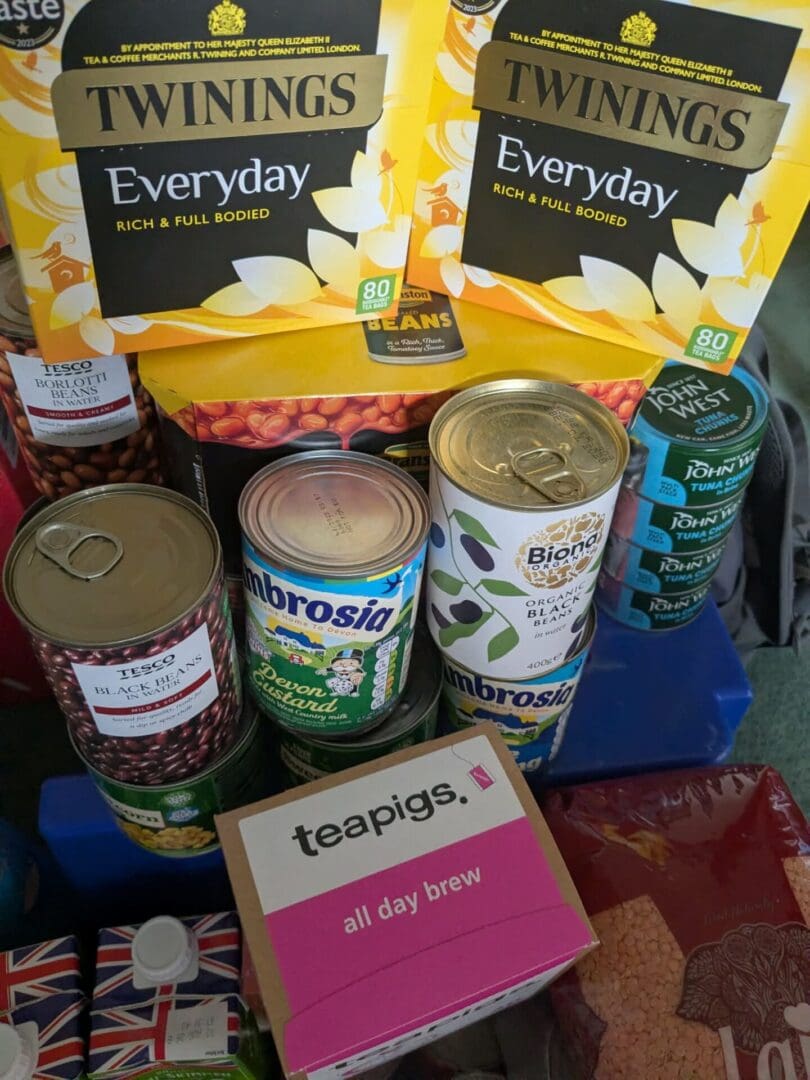
When you think of preppers, you probably think of big underground bunkers, stocked with masses of canned food. “That’s the image we’re trying to get away from, besides my husband drew the line at having a nuclear bunker in the garden,” she chuckles, “no, my prepping is very basic. You shouldn’t over think it. I have bags of pasta and rice, tinned tomatoes, canned fish and corned beef.
“It doesn’t impact me much, because I’ll just keep in a cycle. For example, I always have two bags of flour in the house, and when I’ve used one, I’ll just get another on the next shop. There’s always one on the go and one in storage.
“It should be very methodical, and nothing overwhelming. Once prepping starts to impact you everyday, and you spend all your time doing stock rotation, you’ve crossed a line and need to get it back into perspective.”
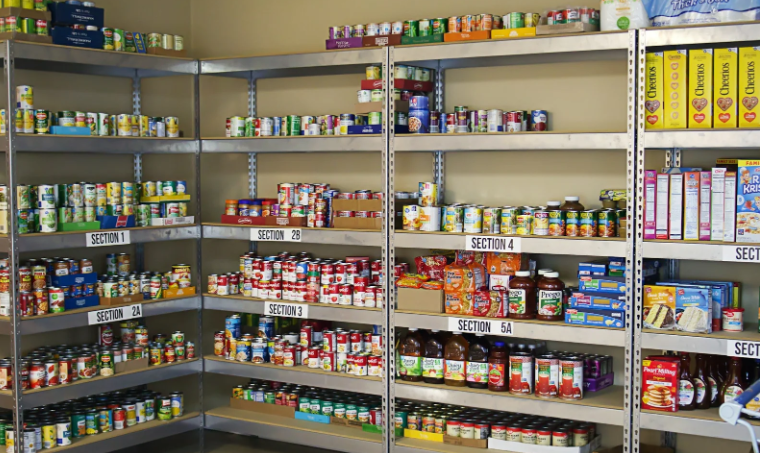
Dr Robinson’s idea of prepping is certainly more short term than long term, and because of this, food nutrients and a balanced diet doesn’t really come into play. “I wish I could say it did, but there’s no point stockpiling overly nutritious meals if that’s what you don’t eat normally. Make sure you have a balanced diet, but if you don’t eat couscous, then don’t stockpile it.
“In the pandemic, when I realised I would have to start eating the stuff down there, I realised we hadn’t actually stockpiled anything nice. We didn’t have biscuits or crips or any of those things.”
As the pandemic progressed, and the importance of keeping a stock of food also did, Dr Robinson began to change her process. “We started to make more meals to keep in the freezer. We would do big batch dishes and lie it flat in the freezer.
“This is the thing with prepping though,” she emphasises, “it’s not just for these big events, these freezer dishes are super useful when you have the flu or something, and can’t cook.”
Prepping doesn’t have to just refer to those people getting ready for the zombie apocalypse, and it that, even if you think you’ll be fine, it’s better to be safe than sorry. Prepping doesn’t even have to be for another pandemic, it’s also super useful in any scenario where you find yourself on the backfoot.
Dr Survival can be found on instagram @dr.surival
You can read more about food in survival situations here.