Salmonella poisonings have reached a decade high int he UK, with 10,406 cases being reported in the last year. This puts it up 26% from the levels of salmonella in 2016
These figures were released by the UK Health Security agency, encouraging people to practice good hygiene to reduce the risk of contracting the bacteria
Forkful explain how you can best avoid getting infected with it.
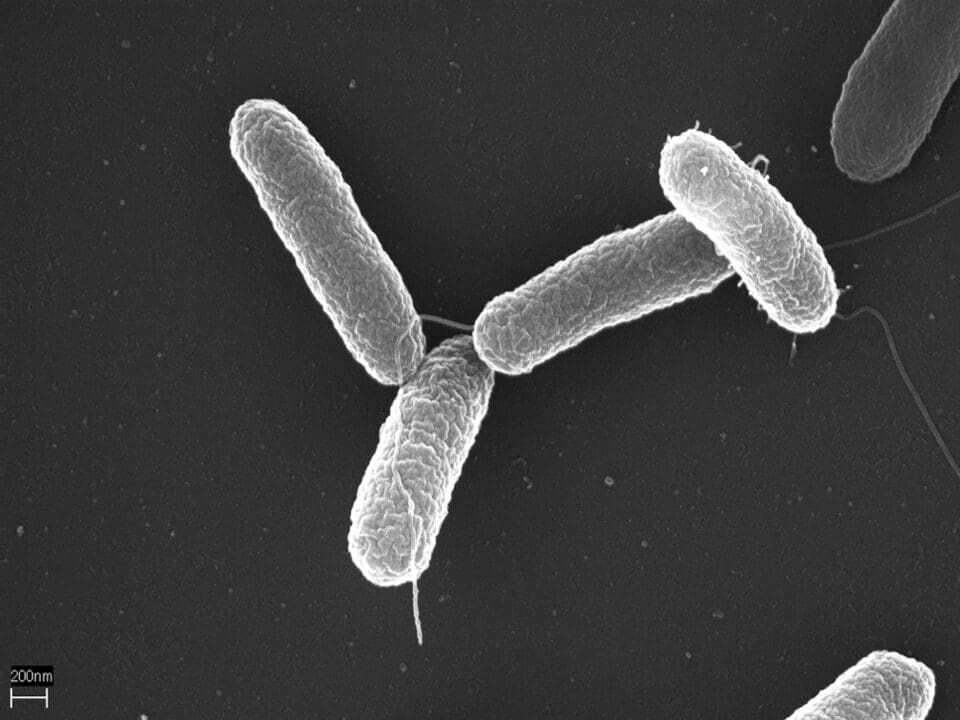
First of all, its best to understand what salmonella is. Salmonella is a bacteria, and one of the most common causes of food poisoning.
Pretty much any food left uncooked can be contaminated with Salmonella, but it is most commonly associated with raw chicken and eggs. It can also be found in untreated water, unpasteurized dairy, seafood and red meat as well as any surface around someone infected with the bacteria.
What are the symptoms of Salmonella?
Symptoms of salmonella can include Diarrhea, fever, nausea, headache, vomiting and stomach pains.
Salmonella is a contagious bacteria that you can get from anyone around you, or even from your pet. This is why it is important to wash your hands regularly, and trying to avoid being around people when you are sick
What you can do
You can reduce the risk of getting salmonella by ensuring that any food you eat is cooked correctly, at the right temperature. You should also avoid cross contamination when preparing food. You can do this by cleaning any equipment you use after you use it. In a similar vain, you should also ensure that any food preparation areas are clean, as are you. You should make sure that you regularly wash your hands with soap and water regularly when handling food.
Bacteria like Salmonella can also be slowed by low temperatures. Under 5 degrees celsius can slow down its growth significantly.
you can find more of todays food news here