Chasing the shortcut
Food used to be simple. You ate when you were hungry, stopped when you were full and maybe took a multivitamin if your mum reminded you to. Now, eating has become something to optimise. Scroll through TikTok for five minutes and you will likely be told your fatigue is caused by a magnesium deficiency, your skin needs collagen or your brain fog could be fixed with a supplement stack worth more than your weekly food shop.
Health has become increasingly tied to productivity and self-improvement, but in the process, many people are losing sight of the basics. Instead of building consistent eating habits, experts say young people are becoming trapped in a cycle of chasing quick fixes while their relationship with food becomes more anxious, more complicated and more dependent on outside advice.
“It’s common to see people prioritising supplements or niche strategies while their overall diet is lacking in basics like regular meals, fibre, fruit and vegetables, and adequate protein spread across the day,” says Nichola Ludlam-Raine, specialist registered dietitian and BDA Spokesperson of the Year 2024.
That contradiction sits at the centre of modern wellness culture. Supplements are sold as solutions to problems many people do not fully understand yet. A bad night’s sleep becomes a magnesium issue. Feeling tired becomes a vitamin deficiency. Low concentration becomes something to “hack”. The emotional appeal is obvious: a supplement feels easier than changing your routine, eating consistently or slowing down.
According to Ludlam-Raine, social media has played a huge role in shaping that mindset.
“Social media plays a huge role in shaping people’s beliefs about food, from demonising certain ingredients to promoting specific diets or supplements as ‘must-haves.’”
The result is that food increasingly becomes something people fear getting wrong. Meals are analysed for protein content, ingredients are labelled “toxic”, and eating is treated less like a normal human behaviour and more like a daily test of discipline.
“The pursuit of ‘perfect’ eating can lead to guilt, confusion, and an unhealthy relationship with food,” Ludlam-Raine says.
When wellness becomes overwhelming
That pressure is something Alka Patel, a longevity medicine specialist and TEDx speaker, also sees increasingly often, particularly among younger people consuming endless streams of wellness advice online.
“People try and do everything at once, but don’t do the core things that are necessary,” she says.
“Sleeping, eating, moving, we know that, but people then want, where’s the red light therapy? Where do I get my magnesium? And where’s the plasma exchange? And, you know, what’s the… what pill shall I be taking? What’s methylation? And they actually haven’t thought about going to bed at night at the same time every night.”
Patel believes the issue is not curiosity around health itself, but the overwhelm that comes with constantly trying to improve.
“You’re gonna end up, potentially crashing and burning out with trying to do all the things,” she says.
“There’s so many little bits that people say to do. Like you said, do the mouth tape, get up at 5am, do meditation, breathe slower, eat, walk faster, exercise every day, lift every day, balance every day, do yoga every day, make sure that you eat 5 different types of vegetables, drink 3 liters of water. Like, it can feel, just as I’m saying it, you can feel your heart rate going up, right?”

The supplement solution myth
That feeling of overwhelm helps explain why supplements have become so appealing. They offer certainty in a culture full of conflicting advice. A capsule feels measurable. A powder feels controlled. Buying a product can feel easier than confronting the emotional and lifestyle factors that shape eating habits in the first place.
“A supplement should supplement something that’s already there,” says Sam Price, founder of supplement company Alyve. “If you’re sleeping badly, stressed all the time and eating takeaways every day, no powder is going to fix that.”
Even experts working within the wellness and supplement space are increasingly warning against using products as substitutes for balanced eating habits.
“You’ve got to get back to those fundamentals. Then do the other stuff,” Patel says. “All of that sits on you doing those basics right.”
Back to basics
Ludlam-Raine says many people are now focusing on details before establishing any real consistency with food.
“They often overcomplicate things and focus on small details rather than the bigger picture. There’s a tendency to chase perfection or quick wins instead of building consistent, sustainable habits.”
The irony is that the least marketable advice is often the most effective. Regular meals. Enough sleep. Less stress. More variety. Drinking water. None of it is particularly glamorous, which may be why social media so often pushes people towards products instead.
But both Patel and Ludlam-Raine argue that health should not feel punishing or obsessive.
“Be excited about your health,” Patel says. “It’s not something that you’ve got to feel heaviness around.”
Because ultimately, the supplement trap is not about supplements themselves. It is about what happens when eating stops being instinctive and starts feeling like something people are constantly failing at.
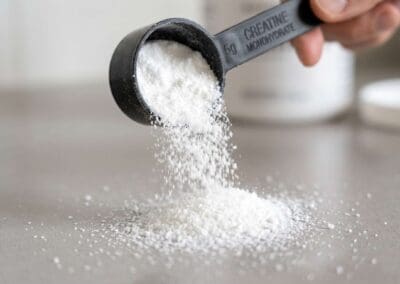
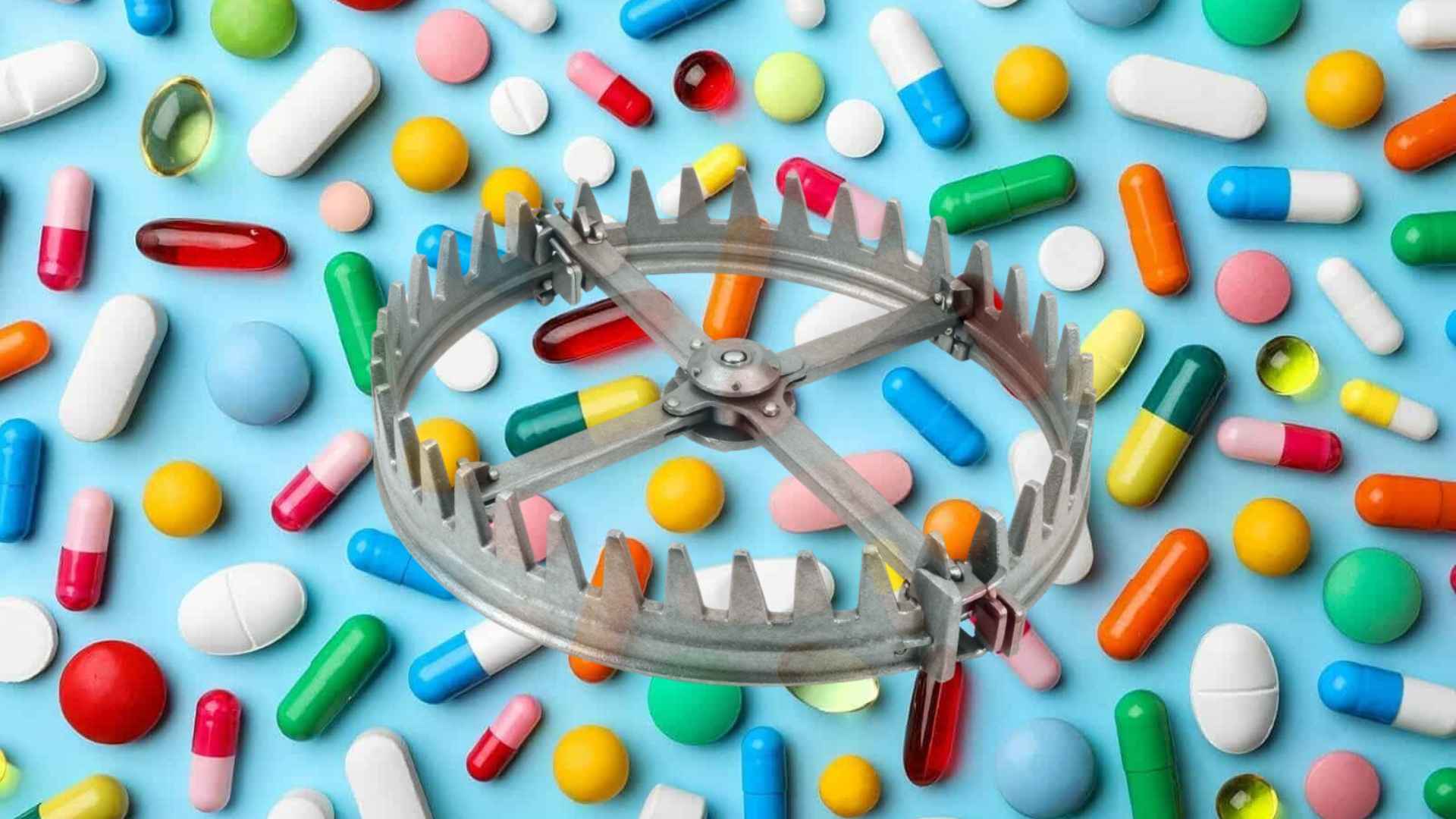
Creatine, magnesium, Omega 3, collagen, probiotics. Just a few of the supplements you will see from one search on social media, but how much good do they actually do without getting your basic diet right first?
Food used to be simple. You ate when you were hungry, stopped when you were full and maybe took a multivitamin if your mum reminded you to. Now, eating has become something to optimise. Scroll through TikTok for five minutes and you will likely be told your fatigue is caused by a magnesium deficiency, your skin needs collagen or your brain fog could be fixed with a supplement stack worth more than your weekly food shop.
Health has become increasingly tied to productivity and self-improvement, but in the process, many people are losing sight of the basics. Instead of building consistent eating habits, experts say young people are becoming trapped in a cycle of chasing quick fixes while their relationship with food becomes more anxious, more complicated and more dependent on outside advice.
“It’s common to see people prioritising supplements or niche strategies while their overall diet is lacking in basics like regular meals, fibre, fruit and vegetables, and adequate protein spread across the day,” says Nichola Ludlam-Raine, specialist registered dietitian and BDA Spokesperson of the Year 2024.
That contradiction sits at the centre of modern wellness culture. Supplements are sold as solutions to problems many people do not fully understand yet. A bad night’s sleep becomes a magnesium issue. Feeling tired becomes a vitamin deficiency. Low concentration becomes something to “hack”. The emotional appeal is obvious: a supplement feels easier than changing your routine, eating consistently or slowing down.
According to Ludlam-Raine, social media has played a huge role in shaping that mindset.
“Social media plays a huge role in shaping people’s beliefs about food, from demonising certain ingredients to promoting specific diets or supplements as ‘must-haves.’”
The result is that food increasingly becomes something people fear getting wrong. Meals are analysed for protein content, ingredients are labelled “toxic”, and eating is treated less like a normal human behaviour and more like a daily test of discipline.

“The pursuit of ‘perfect’ eating can lead to guilt, confusion, and an unhealthy relationship with food,” Ludlam-Raine says.
That pressure is something Alka Patel, a longevity medicine specialist and TEDx speaker, also sees increasingly often, particularly among younger people consuming endless streams of wellness advice online.
“People try and do everything at once, but don’t do the core things that are necessary,” she says.
“Sleeping, eating, moving, we know that, but people then want, where’s the red light therapy? Where do I get my magnesium? And where’s the plasma exchange? And, you know, what’s the… what pill shall I be taking? What’s methylation? And they actually haven’t thought about going to bed at night at the same time every night.”
Patel believes the issue is not curiosity around health itself, but the overwhelm that comes with constantly trying to improve.
“You’re gonna end up, potentially crashing and burning out with trying to do all the things,” she says.
“There’s so many little bits that people say to do. Like you said, do the mouth tape, get up at 5am, do meditation, breathe slower, eat, walk faster, exercise every day, lift every day, balance every day, do yoga every day, make sure that you eat 5 different types of vegetables, drink 3 liters of water. Like, it can feel, just as I’m saying it, you can feel your heart rate going up, right?”
That feeling of overwhelm helps explain why supplements have become so appealing. They offer certainty in a culture full of conflicting advice. A capsule feels measurable. A powder feels controlled. Buying a product can feel easier than confronting the emotional and lifestyle factors that shape eating habits in the first place.
“A supplement should supplement something that’s already there,” says Sam Price, founder of supplement company Alyve. “If you’re sleeping badly, stressed all the time and eating takeaways every day, no powder is going to fix that.”
Even experts working within the wellness and supplement space are increasingly warning against using products as substitutes for balanced eating habits.
“You’ve got to get back to those fundamentals. Then do the other stuff,” Patel says. “All of that sits on you doing those basics right.”
Ludlam-Raine says many people are now focusing on details before establishing any real consistency with food.
“They often overcomplicate things and focus on small details rather than the bigger picture. There’s a tendency to chase perfection or quick wins instead of building consistent, sustainable habits.”
The irony is that the least marketable advice is often the most effective. Regular meals. Enough sleep. Less stress. More variety. Drinking water. None of it is particularly glamorous, which may be why social media so often pushes people towards products instead.
But both Patel and Ludlam-Raine argue that health should not feel punishing or obsessive.
“Be excited about your health,” Patel says. “It’s not something that you’ve got to feel heaviness around.”
Because ultimately, the supplement trap is not about supplements themselves. It is about what happens when eating stops being instinctive and starts feeling like something people are constantly failing at.