There’s a unique kind of disappointment that comes with paying extortionate costs in a fancy establishment for three bites of food and realising you’re still hungry afterwards. But despite the occasional outrage over “tiny plates” and tasting menus, small portions continue to dominate high-end restaurants and supermarket ‘premium’ ranges. Interestingly, they often make us believe the food itself is better. But is it?
That belief is surprisingly normal. Studies from Cornell University and elsewhere have shown that people associate smaller servings with refinement and expertise, while larger portions are linked with convenience or low-cost abundance. A huge bowl of pasta feels casual. Five perfect folds of ravioli centred on a massive plate feels…curated.
There’s also the ‘scarcity effect’ at work. We tend to place higher value on things that appear limited or controlled. Luxury brands rely on this constantly, from handbags to whisky. Food follows a similar pattern. A carefully restrained serving can signal confidence. The message is subtle but powerful: this food is so rich, complex or special that you only need a little. Whether that’s actually true is another matter.
Why Less Feels More Valuable
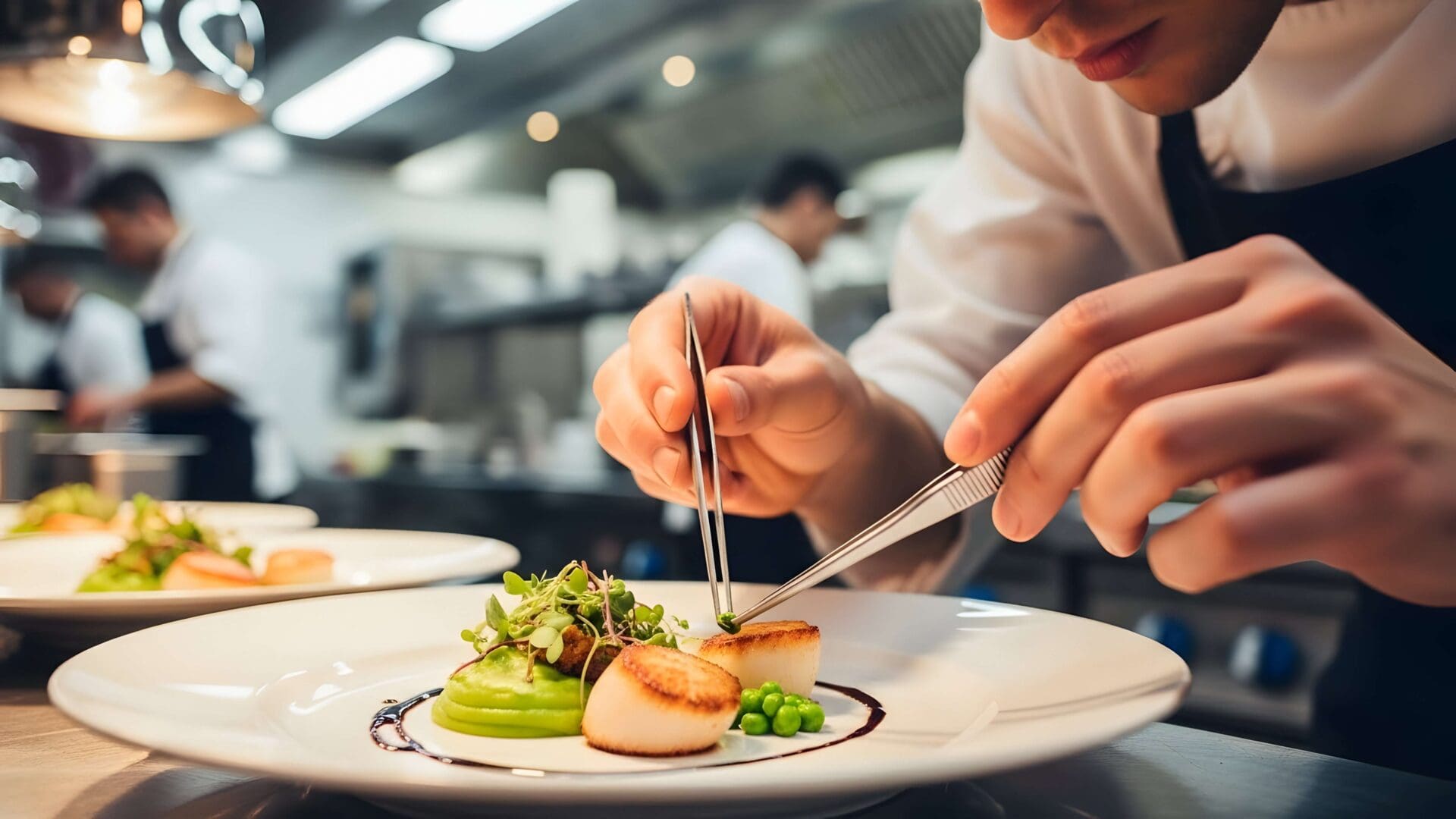
Charles Michel, a Franco-Colombian chef, food psychologist and researcher, who has over 15 peer-reviewed publications, says, “In fine dining, the use of negative space, carefully controlled plating, and portion restraint can function almost like a gallery setting for food: they direct focus, elevate perceived craftsmanship, and signal intentionality before the first bite.
“The smaller format allows chefs to create variation, rhythm, surprise, and narrative progression throughout the meal. Food becomes a medium for storytelling, emotion, memory, and cultural expression.
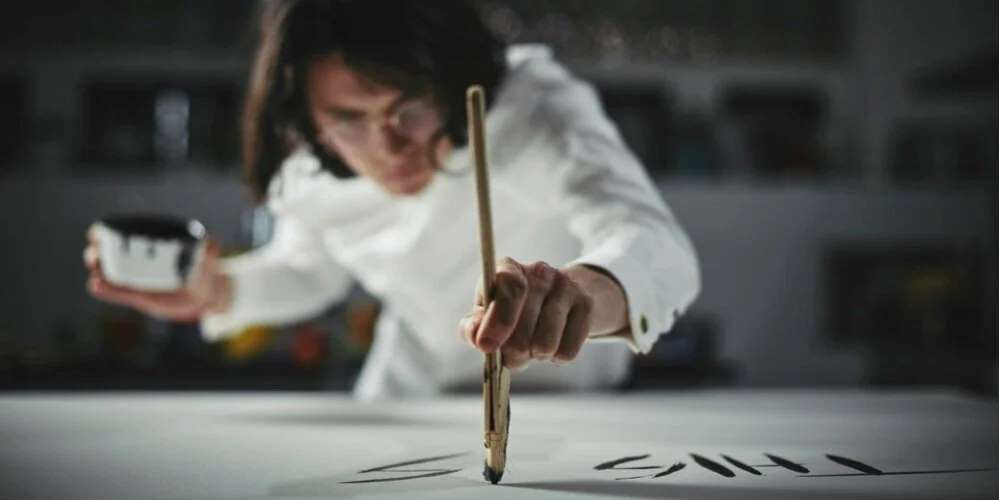
“In a study at the Crossmodal Research Laboratory at Oxford University, participants consistently rated the artistically plated version of dishes as tasting better and being worth significantly more money, despite the ingredients being identical. The experiment highlighted how perceived value is deeply linked to visual harmony, balance, intentionality, and the communication of talent and skill. People would tend to enjoy the flavor of food more when presented in a beautiful, art-inspired manner.”
Restaurants understand this psychology very well and so fine dining has spent decades moving away from visible abundance and towards careful precision. Big portions once represented generosity and wealth. Now, in many upmarket places, restraint has become a marker of sophistication instead. Delicate garnishes and oversized plates all help create this sense of rarity and focus.
Presentation Becoming Persuasion
Presentation changes taste perception too. Researchers have found that diners consistently rate food as more enjoyable when it appears thoughtfully arranged with negative space around it. So, if the plate looks elegant and uncluttered, people often assume the food is higher quality before they’ve even taken a bite.
There’s a practical side to this as well because portions slow our eating down. You pay more attention and spend longer focusing on individual flavours. It’s one reason tasting menus can feel memorable despite containing less actual food than a pub main. Attention to minute details changes our enjoyment.
But there comes a point where this psychology just about tips into manipulation. Smaller portions don’t automatically mean better ingredients or more skill. Sometimes they simply mean higher margins. The modern ‘premium small plate’ trend has allowed plenty of restaurants to charge luxury prices while quietly reducing their food costs. Diners still walk away feeling they’ve had something elevated because the environment they’ve consumed in feels luxurious.
Supermarkets and packaged food brands have picked up on this pattern too. Premium chocolate often comes in thinner bars with individually separated pieces. Expensive ice cream arrives in compact tubs. High-end snacks are packaged with huge amounts of empty space. None of this is random. Research into consumer behaviour at the University of Stirling shows people are more likely to savour products they perceive as indulgent or luxurious when portions are restricted. Less becomes part of the branding.
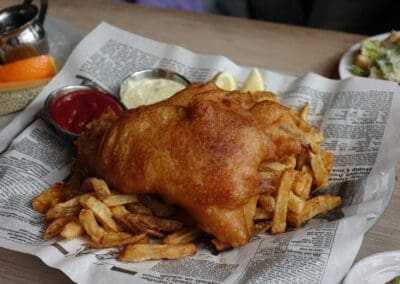
Social media has intensified the effect where small and sculpted dishes are photographed beautifully. Delicate plating signals aspiration online far more effectively than a mountain of chips. Restaurants know this. Diners know this. We’ve collectively learned to associate minimalism with expertise, even when the relationship between the two is pretty shaky.
Professor of health psychology at the University of Surrey, Jane Ogden, says, “For years we have been told that overeating is a sign of lack of control and that overweight people lack willpower. Big portions are seen as animalistic, greedy and about over indulgence.
“In contrast, to eat less therefore was a sign of having control and greater will power. Given the vast differences in culture norms for food preferences it seems clear that food preference my be learned rather than a product of the taste buds on the tongue. We therefore like foods based upon our childhoods, culture and the norms we are exposed to from an early age.”
Tiny portions shouldn’t instantly be labelled as cynical however because sometimes a little restraint does improve a dish. Rich flavours of course can be overwhelming in large quantities. Careful cooking deserves attention rather than speed-eating. And many chefs would argue that thoughtful portioning reduces waste while encouraging diners to engage more consciously with what they’re eating.
Still, it’s worth recognising how much of ‘luxury’ actually exists in the mind before it exists on the tongue. Portion size shapes our expectation, and expectation shapes our experience. The strange reality is that when food looks our brains often help complete the illusion for us.
Even if we stop for chips on the way home.
If you’re hungry for more food psychology, read this!