Have you ever wondered why sometimes your everyday sandwich tastes extra good at the top of a mountain? While sometimes your favourite treat does not hit the spot? Rose Xu spoke to scientists and shared the science-backed wisdom to a tastier hike.
You are standing at 1085 meters high at the peak of Snowdon, the highest mountain in Wales. You took a bite of your favourite Maryland biscuits, slowly enjoying it crushing between your teeth, then melting inside your mouth and awaiting the sweetness to hit.
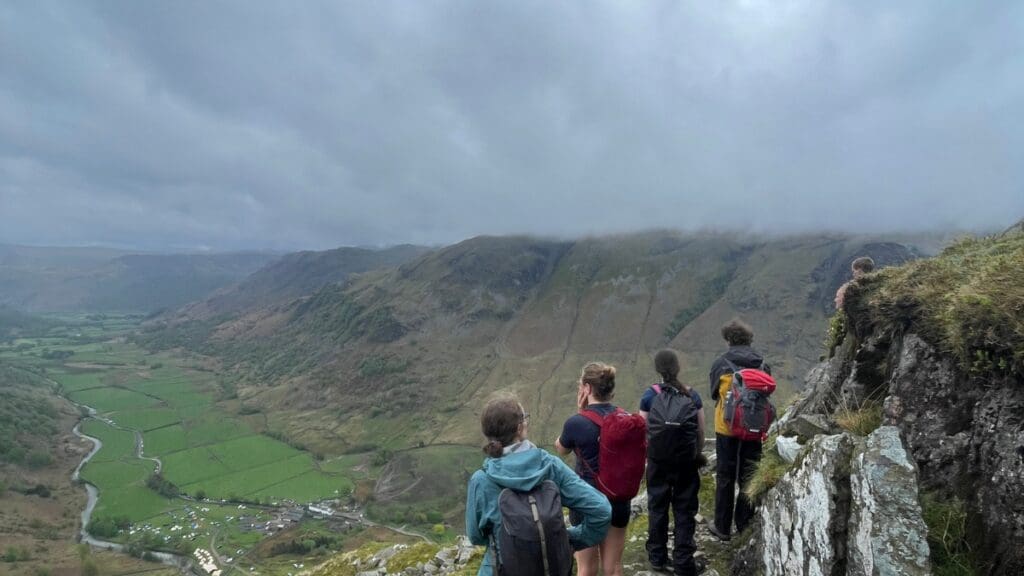
A Biscuit at the Summit
You took a deep breath and wanted to breathe in all the gorgeous views around you. Lucky day for you that it was not raining and the sun was shyly peeking through the clouds.
You ate another biscuit, and waited for the flavour that you have missed. Wait? Pause! Why do the biscuits taste dull and like biting into cardboard?
When you are hiking up a mountain, you physically lose a lot of energy including water through sweating. Meanwhile, as the altitude increases, the air gets colder and dryer.
Smell: The Secret Ingredient of Taste
“This could have to do with the fact that your nasal passages are somewhat blocked, and therefore the aromatics aren’t getting through, so it’s not as intense of a sensation,” explained Dr Rachel Herz, a cognitive neuroscientist at Brown University, and the author of “Why you eat what you eat”, “what’s very interesting is that the more that we can smell, the more the actual taste sensation increases.”
When you finally sit down to refuel, you might notice your nicely packed food seems a bit bland. According to food scientist and content creator Dr. Abbey Thiel, our sense of smell is impaired in dry, cold air. Since a significant portion of what we perceive as ‘taste’ is actually aroma, this environment further dulls the dining experience.
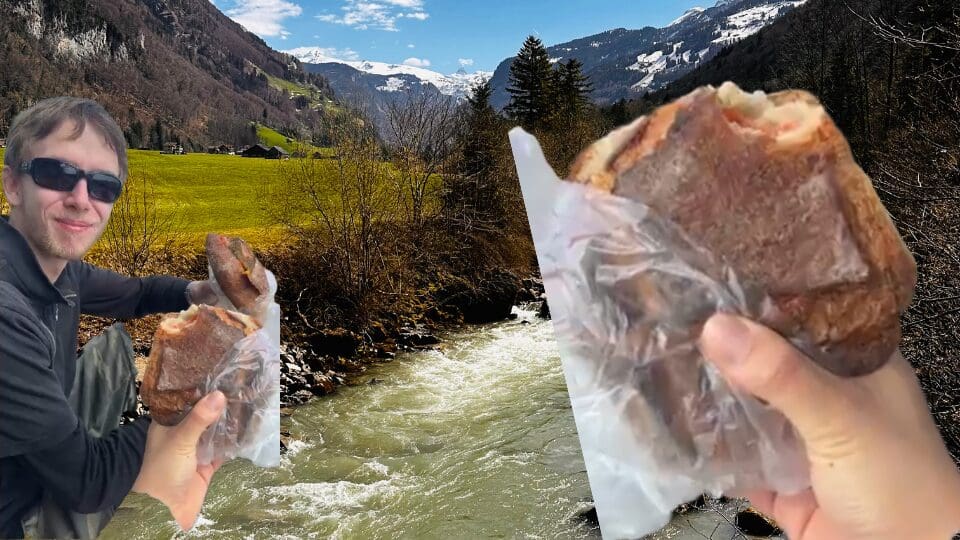
To understand this better, Dr. Herz explained: “We have two airway systems getting into our sense of smell. One is through our nostrils and the other through the mouth.” When we eat, we are actually processing two things at once—the basic tastes on our tongue (salt, sour, sweet, bitter) and the aromas traveling up those airways.
As Dr. Herz pointed out, “the experience of flavor, which is what most people say taste is, is the combination of taste with the aromatics.” When the mountain air prevents those airways from fully capturing aromas, you are left with a surprisingly flavorless meal or biscuit.
Why Mountain Air Makes Food Bland
At higher altitudes, increased nasal congestion can restrict the airways. According to Dr. Herz, this affects aromas traveling from both the nose and the mouth, as they share the same internal system. These pathways lead to the olfactory epithelium, (a specialised patch of tissue located high in the nasal cavity, that contains the receptors responsible for detecting scent molecules), roughly level with the bridge of the nose between the eyebrows. When these passages are reduced, as from congestion, decreased airflow prevents scents from effectively reaching our olfactory sensors.
“As a result, you get less of the aromatic molecules, so the flavor of the food is diminished,” added Dr. Herz.
Beyond getting less aroma, the drier air on the peak reduces saliva in your mouth, and saliva is what helps dissolve taste compounds so your taste buds can detect them. Dr Thiel mentioned, when saliva decreases, the perceived intensity of sweet and salty compounds drops as well.
Consider that Maryland biscuit you enjoyed at the summit. If it didn’t feel as satisfying as expected, nasal congestion might be the reason behind it, Dr. Herz suggested. At high altitudes, blocked nasal passages prevent aromatics from reaching your sensors, significantly dulling the intensity of the flavor.
This phenomenon is a constant in our daily lives, though Dr. Thiel notes that most people vastly underestimate the role aroma plays in the eating experience. Think of the last time you had a cold: food didn’t “taste” right because your nose was plugged. In reality, your taste buds were functioning perfectly; you simply couldn’t access the aromas that make food enjoyable.
While altitude might dull flavour, your body is consuming more energy than normal and working extremely hard to get up the mountain.
“You are moving more, breathing harder, and often dealing with temperature stress. But instead of making you hungrier, your body kind of does the opposite and turns your appetite down,” Dr Thiel said.
“At altitude and during long hikes, the signals that normally make you want to eat start to fade. Hunger hormones drop, digestion slows, and your body shifts blood flow away from your gut and toward your muscles and lungs.”
As a result, eating stops feeling like a reward and starts feeling like a chore. It brings a “sluggish” and “undigested” feeling while eating food during a short break while hiking, commented by Zurich Urban Hike organiser Giada Rocca.
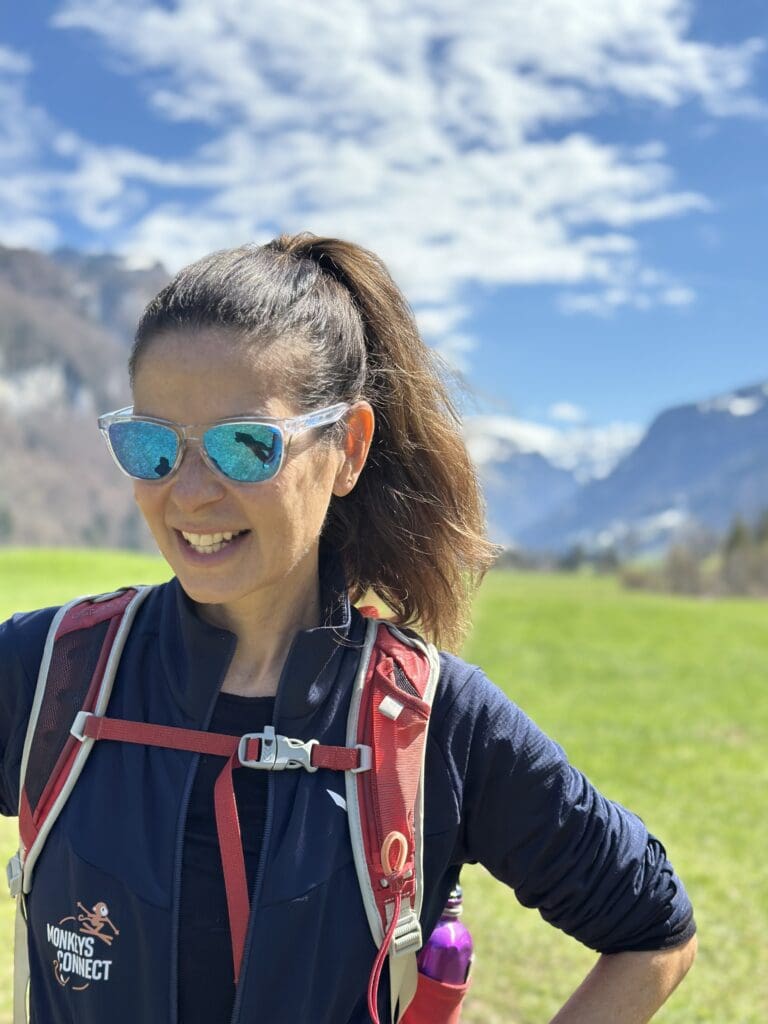
Eating Becomes a Strategy
To avoid this, the key to stay energised during a hike is eating more, but what and how to eat. “When appetite is low, foods that are more flavorful are more likely to be consumed, which is critical when your energy needs are actually higher,” Dr Thiel explains, “so stronger-tasting hiking food is not about making it more exciting. It is about making sure your body actually recognises it as food worth eating.”
To combat “flavor fatigue”, where everything starts to taste the same after a while, variety is your best friend. “Because taste perception is dulled, bringing foods with stronger, more pronounced flavors, like BBQ, Cajun, or honey mustard, can make a big difference in how much you actually want to eat,” she adds, “mixing crunchy, soft, and drinkable options helps prevent everything from tasting the same.”
On top of that, Dr. Thiel suggests prioritising energy density. By choosing foods that pack more calories into smaller portions, such as nuts, dried fruit, or energy bars. You can more effectively meet your nutritional needs, even when you don’t feel like eating a large volume of food.
Tanya, a frequent hiker, and Founder of Swiss Family Fun, agreed and shared that she always brings high energy snacks like hard boiled eggs, nuts and fruit mixes.
“Hunger is the best gravy,” Tanya says, “when you’re hungry, food always tastes better. Anything you eat tastes great on the trail because you’re so hungry.”
The “Secret Ingredient” of the Outdoors
Giada Rocca agrees, suggesting there is a “secret ingredient” to a summit meal that nowhere can replicate. “There’s an element there that just comes to heighten the flavors. It’s not tangible, but it’s just being outdoors,” Giada says, “when you are under physical exertion, you’re more in tune with your body. It tells you exactly when you need that extra energy instead of following a certain schedule.”
Research in sensory science shows that context, like scenery or mood, can directly change how much we enjoy food. The same snack can genuinely taste better on a beautiful trail than it does in a stressful or uncomfortable setting according to Dr Thiel.
Beyond this psychological layer, while hiking your body is dealing with lower oxygen levels, or Hypoxia, which can actually change how your brain processes sensory information.
Taste Is a Full-Body Experience
Dr Thiel pointed out that factors like temperature, fatigue, hydration, and even your surroundings can all influence flavor perception. Fatigue can lower your motivation to eat but increase cravings for quick energy like sugar. Heat tends to suppress appetite, while cold environments often make warm, energy-dense foods more appealing.
Ultimately, taste is not just about the ingredients in your food; it is a full-body, full-environment experience. The entire landscape is acting as “seasonings” for your meal.
The next time you find yourself at 1,000 meters wondering why your favorite biscuit tastes like a moving box, remember: it’s not the biscuit’s fault. Your body is simply busy doing the hard work of being a mountain climber. So, pack something bold, something with more flavour, and let the view do the rest of the work.
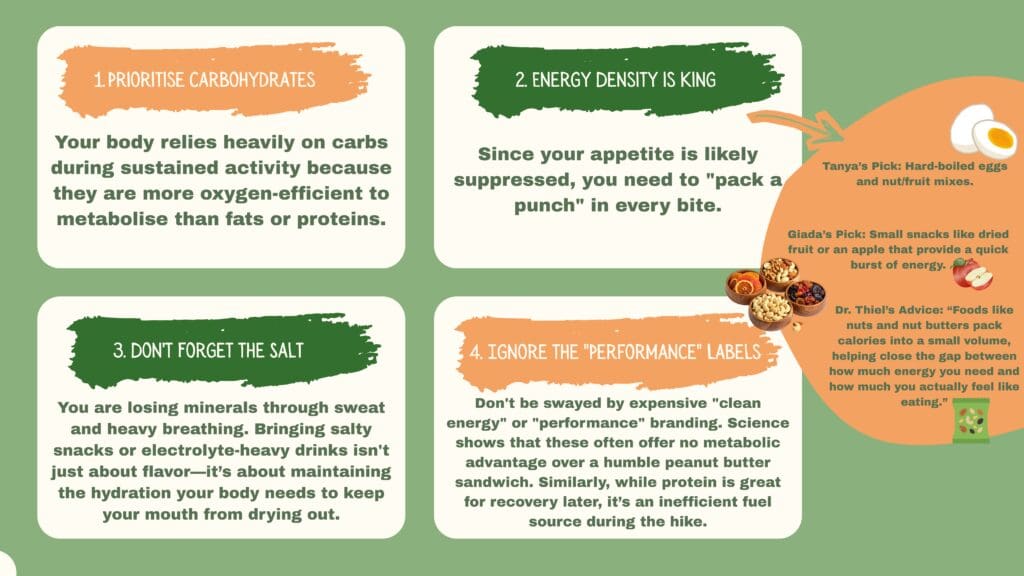
Packing for the Peak: What Actually Works?
If you want to avoid the “cardboard biscuit” experience on your next trek, the solution lies in science-backed simplicity rather than hiking food’s fancy marketing.
1. Prioritise Carbohydrates
Your body relies heavily on carbs during sustained activity because they are more oxygen-efficient to metabolise than fats or proteins.
2. Energy Density is King
Since your appetite is likely suppressed, you need to “pack a punch” in every bite.
Tanya’s Pick: Hard-boiled eggs and nut/fruit mixes.
Giada’s Pick: Small snacks like dried fruit or an apple that provide a quick burst of energy.
Dr. Thiel’s Advice: “Foods like nuts and nut butters pack calories into a small volume, helping close the gap between how much energy you need and how much you actually feel like eating.”
3. Don’t Forget the Salt
You are losing minerals through sweat and heavy breathing. Bringing salty snacks or electrolyte-heavy drinks isn’t just about flavor—it’s about maintaining the hydration your body needs to keep your mouth from drying out.
4. Ignore the “Performance” Labels
Don’t be swayed by expensive “clean energy” or “performance” branding. Science shows that these often offer no metabolic advantage over a humble peanut butter sandwich. Similarly, while protein is great for recovery later, it’s an inefficient fuel source during the hike.
Want to find out more about food at altitude? Our writer Olivia Tutill explores food on an areoplane. Find out more here: When Your Taste Buds Go Flying: Why Food Tastes Different on an Aeroplane.