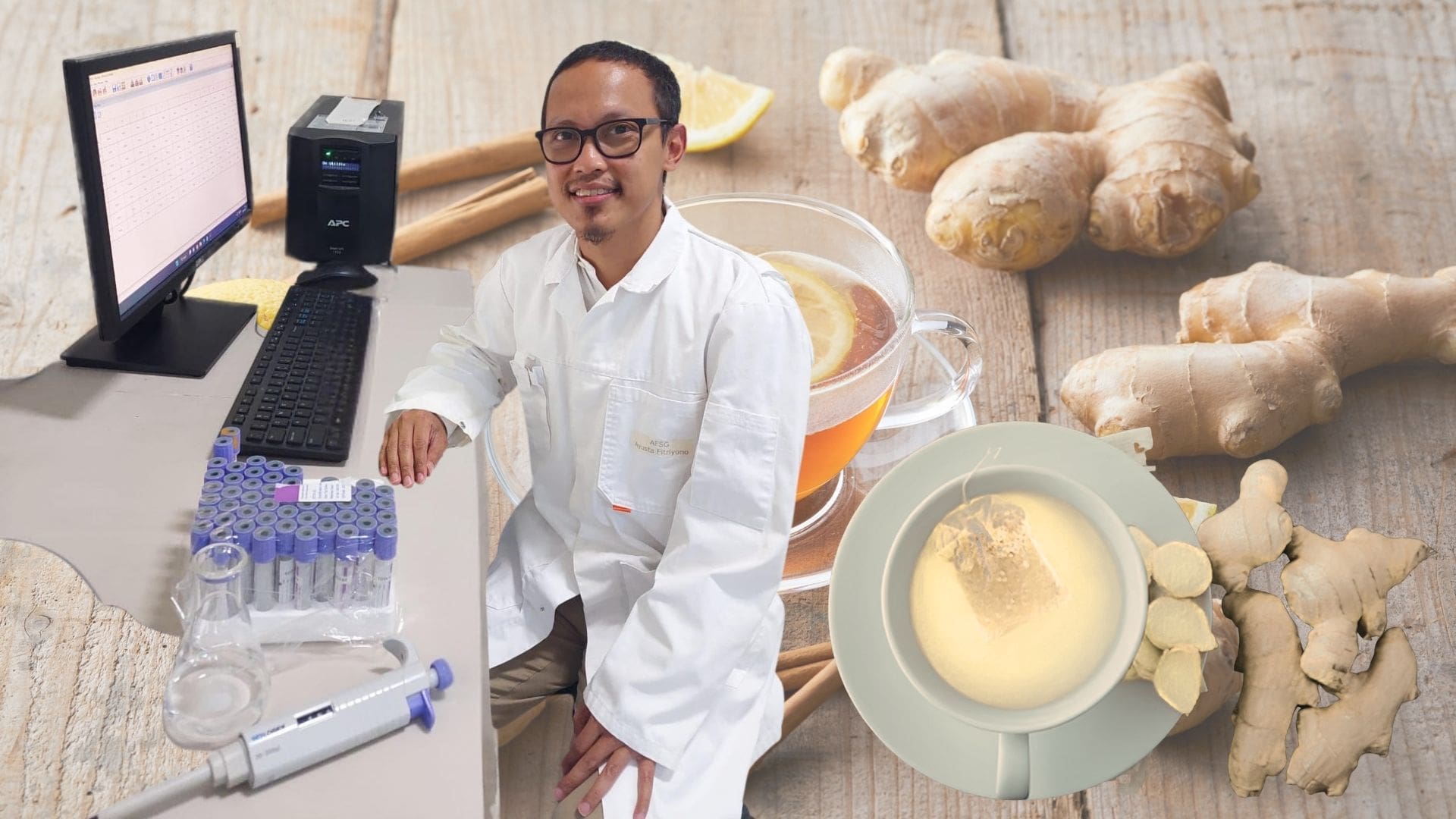
Ginger has become the new poster child of wellness — from dried ginger teas to influencer-famous ginger shots. But strip away the marketing, and what is it really doing inside your body? Dr. Fitriyono Ayustaningwarno, a food nutrition, quality and design expert at Diponegoro University explains the science behind it.
Q: How does ginger support the immune system?
At its core, ginger helps your body calm down.
When you’re ill or stressed, your body goes into “fight mode” and releases inflammatory chemicals called cytokines. These are useful in small amounts, but too much inflammation can weaken your overall immune response.
Ginger helps dial this down. It slows the production of those inflammatory chemicals (enzymes like COX-2 and LOX), so your body isn’t overreacting all the time. By reducing them, ginger lowers levels of key inflammatory markers like TNF-alpha and IL-1 beta, which are linked to chronic inflammation.
It also supports the “good side” of your immune system. Think of your immune system like a team.
Cells like macrophages, which act as your body’s “first responders,” and T cells, which coordinate longer-term immunity, become more balanced in their activity. Ginger essentially helps stop the immune system from overreacting.
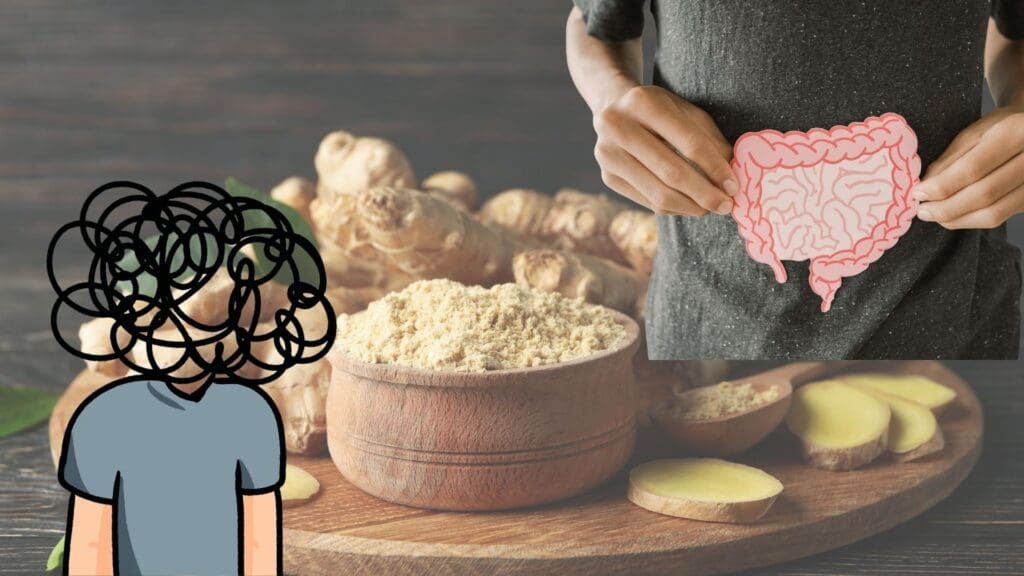
There is also a gut connection. Ginger supports beneficial bacteria in the gut while reducing harmful ones. Since a large part of your immune system is based in the gut, this has a direct impact on overall immunity.
Q: What in ginger is actually doing all this work?
Ginger isn’t just one thing — it’s full of natural compounds that do slightly different jobs.
Fresh ginger contains something called gingerols. These are what give it that sharp, spicy kick, and they help reduce inflammation and protect your cells.
When ginger is dried or cooked, those compounds change into something called shogaols, which are even stronger. That’s why dried ginger is often more powerful for things like inflammation.
There are a few others in the mix too, but the main idea is simple: these compounds help protect your body from damage and stop it from overreacting.
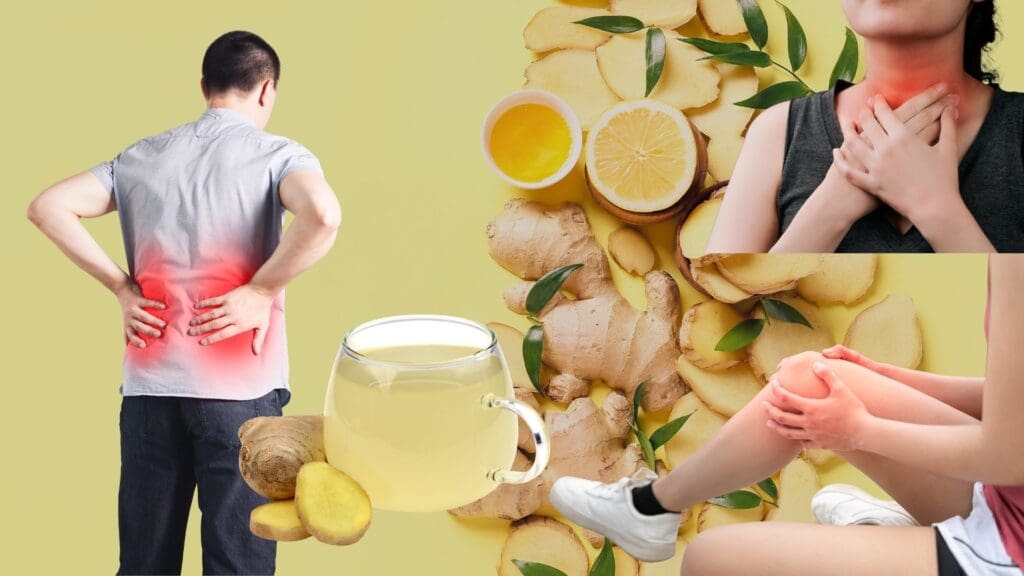
Q: When we say ginger reduces inflammation — what does that actually mean?
Inflammation is basically your body’s alarm system.
It is controlled by a network of enzymes and signalling pathways. Ginger interferes with these at multiple levels.
When something’s wrong, your body sends out signals to deal with it. But sometimes that alarm keeps ringing even when it doesn’t need to — and that’s when problems start.
Ginger helps turn the volume down on that alarm.
It blocks some of the signals that tell your body to stay inflamed. It blocks enzymes like COX-1, COX-2 and 5-lipoxygenase. These enzymes produce prostaglandins and leukotrienes, which are chemicals that trigger inflammation.
Secondly, it reduces the amount of inflammatory chemicals being released (cytokines like TNF-alpha and IL-6). These are key drivers of inflammatory conditions.
At the same time, it helps slow down inflammatory messages. When ginger slows them down, fewer inflammatory messages get sent.
So instead of your body constantly being on edge, it helps bring things back to normal.
Q: What about antioxidants — what does that mean in real terms?
Antioxidants are basically your body’s clean-up crew. Ginger’s antioxidant effect comes from its ability to activate the Nrf2 pathway.
Every day, your body builds up “waste” from things like stress, pollution, and even normal digestion. If that waste builds up, it can damage your cells over time.
Ginger helps your body clear that out more efficiently.
It switches on your body’s natural defence system, helping it deal with this damage before it becomes a bigger problem. So it’s less about “boosting” your body, and more about helping it stay in good condition.
Q: Does it matter how you consume ginger? Fresh, dried, shots?
Yes, quite significantly.
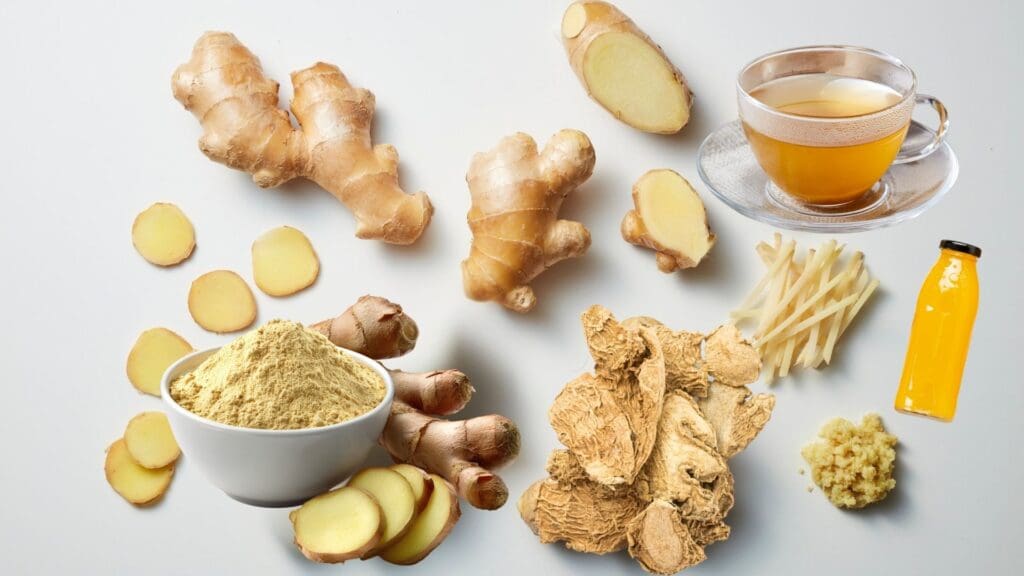
Fresh ginger is is high in gingerols and it is great for things like digestion, nausea, and circulation. It’s lighter and more immediate in its effect.
Dried ginger contains more shogaols. It is stronger when it comes to reducing inflammation and protecting your body long-term. That’s because of those more powerful compounds that form during drying.
Processing methods matter too. Sun-dried ginger tends to have the highest levels of beneficial compounds, followed by oven-dried and freeze-dried. Fermented or steamed ginger can also increase how easily the body absorbs these compounds.
Ginger shots? They’re convenient, but they’re not magic. They give you a quick hit of ginger, but the benefits still depend on how much you’re having and how often.
There’s no single “best” way — it depends what you’re using it for and how concentrated it is.
Q: What are the downsides to ginger?
Ginger is generally safe, but it is not risk-free, especially in high doses.
Too much ginger can irritate your stomach and cause things like heartburn, acid reflux or discomfort. It can also feel quite harsh, especially in concentrated forms like shots.
It naturally thins the blood slightly, which can be a problem if you’re on certain medications or have a medical condition. This is important for people taking medications like warfarin or aspirin.
And like anything, some people just don’t react well to it — even if that’s rare.
For most people, small amounts daily are completely fine. It’s when you start treating it like a cure-all and taking large amounts that issues can come up.
Q: Does the type of ginger matter?
Surprisingly, yes.
Different varieties contain different levels of active compounds, which affects their strength and function. Even how old it is matters.
Older ginger tends to be more powerful in terms of antioxidant effects, while younger ginger can be gentler and better for protecting DNA from damage.
Where it’s grown and how it’s processed also makes a difference. So not all ginger is exactly the same, even if it looks similar.
Q: What do you think about ginger shots and wellness culture right now?
They’re a good example of something useful being oversimplified.
Ginger shots can be beneficial — they’re quick, easy, and concentrated. But they’re often marketed like a fix-all solution, which isn’t realistic.
Ginger works best as part of your overall diet and lifestyle, not as a one-off “health hack.”
Q: What’s the future of ginger as a functional food?
Ginger is already moving beyond being just an ingredient.
It’s being added to everyday foods like yogurt, snacks, and drinks to boost their nutritional value and even help them last longer naturally.
What’s interesting is that scientists are now finding ways to make its benefits easier for the body to absorb, which could make it even more effective in the future.
But at the same time, its strength is its simplicity. It’s familiar, versatile, and backed by real science — which is probably why it’s stuck around for so long.
For more on why we turn to ginger in the first place, read our companion piece: Ginger as Defence: How We Eat for Protection and the Science Behind It.