The weather is damp outside with heavy clouds covering down.
You are feeling “under the weather”.
“A cup of warm ginger tea would be ideal”, you thought to yourself.
The desire for warm, sharp hits steams into your mind. A slow burn that follows, soothing your throats and calming your mind.
Whether it is steeped into a mug of tea or sliced into a bowl of congee, or concentrated in a fiery shot. Ginger is not just there for flavour, it is often associated with defence illness and boosts our immune system.
The Taste of Protection
Ginger has a strong, distinctive taste and a warming sensation, which many people associate with relief from symptoms like colds or nausea, according to Dr. Fitriyono Ayustaningwarno. He is an Assistant Professor in Food Quality and Design at Diponegoro University in Indonesia.
“Humans often associate certain foods with their perceived health benefits, even if they have an initially unpleasant taste or sensation,” he says. The burn, in this sense, becomes meaningful.
In other words, we learn to trust the discomfort and this specific gingery taste.
Dr. Ayustaningwarno points out this phenomenon is “flavor halos”, where repeated encounters with medicinal tastes shape expectation and lead individuals to associate those flavors with health benefits.
Some of these examples are the cheery-flavoured cough medicine, orange taste like vitaminC tablet, and the lemon flavoured Limsip. “Prior experiences with pungent or medicinal flavors could bias perceptions of their healing properties,” he notes.

So when ginger stings, our brain has been conditioned to not resist it but to interpret it.
There is also an element of interpretation bias at play. When the body is already vulnerable, sensations are rarely neutral. “Individuals interpret ambiguous bodily sensations in a biased manner, often influenced by prior beliefs or experiences,” he explains. A warming burn becomes evidence and signals that something helpful is happening.
Why it Feels Like Healing
According to Dr. Ayustaningwarno, this comforting sensation is deeply rooted in biochemistry. He explains: “Ginger contains bioactive compounds such as gingerols, shogaols, and zingerone, which exhibit anti-inflammatory, antioxidant, and immunomodulatory effects.”
“These specific properties work directly to help alleviate symptoms of illness, such as inflammation, nausea, and gastrointestinal discomfort. When our internal defenses are compromised, these compounds provide the exact physiological backup we look for”, Dr. Ayustaningwarno points out.
Dr. Ayustaningwarno notes that ginger is well-known to “reduce oxidative stress and support immune function, which could be particularly appealing when individuals feel physically vulnerable.”
Beyond these hidden chemical benefits, the immediate physical experience of consuming ginger plays a massive role in how we perceive its healing power.
Interestingly, the very thing that makes ginger intense is its sharp, fiery kick. It is a primary reason we associate it with recovery. Dr. Ayustaningwarno explains that “the mild ‘burn’ caused by ginger’s bioactive compounds might be interpreted as a sign of its potency or effectiveness, reinforcing its use during illness.”
This reaction aligns with a broader human tendency to associate strong sensory experiences with therapeutic effects. Physically, this intense sensation is a neurological event triggered by the root’s interaction with our nerves. As Dr. Ayustaningwarno mentions, “the fiery sensation of ginger is a result of its activation of the trigeminal sensory system, which detects irritation, heat, and pungency.”
The Science behind Craving the Burn
Our physical state alters how we process these inputs, the sensory experience changes based entirely on our health. Dr. Ayustaningwarno notes that this sensation “can be perceived as invigorating when sick but overwhelming or irritating when healthy, depending on the context and emotional state.” Positive emotions, such as relief or comfort, are easily tied to ginger when it fulfills a medicinal need.
Dr. Ayustaningwarno says: “this shift shows how heavily our food choices are shaped by cultural, psychological, and learned behaviors. When we are sick, our subconscious coping mechanisms drive us toward intense flavors if we believe they will help us heal,” he further explains that “stress and illness can influence food preferences,” meaning individuals often seek foods perceived as comforting, even if they have strong or unusual flavors.
Without an immediate health benefit to justify the sensory discomfort, the intense pungency linked to compounds like gingerols may instead be perceived as overly strong, unpleasant, or an aversion. Dr. Ayustaningwarno states that “in a healthy state, the body does not have the same physiological need for these medicinal effects.”
Over time, repeated exposure to this cycle shapes our long-term habits and preferences. Dr. Ayustaningwarno observes that “exposure and positive associations with the health benefits of ginger may lead to its increased consumption during illness or vulnerability.” This creates a powerful learned association between its fiery flavor and recovery, enhancing its appeal when we are sick but diminishing its desirability in everyday contexts.
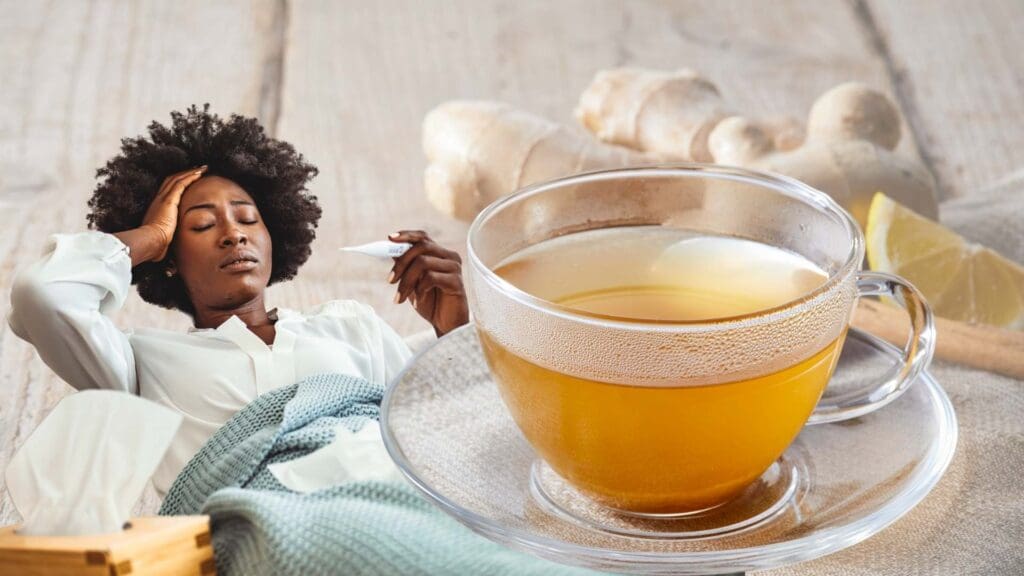
While these psychological and physiological associations make ginger a celebrated wellness staple, it is crucial to recognise the scientific boundaries of its therapeutic properties. Ayustaningwarno clarifies that “in general, ginger is considered safe for most people when consumed in moderate amounts,” and it remains highly respected for its proven ability to help with nausea, including motion sickness and pregnancy-related nausea.
However, he warns that its efficacy is not entirely universal across all medical conditions. “Results in some areas, such as chemotherapy-related nausea, are mixed,” Dr. Ayustaningwarno explains, noting that while some studies suggest benefits, others show limited or no effect. Because of these conflicting findings, he emphasises that more research is needed before drawing firm conclusions, reminding that while ginger is a powerful tool for comfort, it should be approached with realistic expectations.
Inside the Root
To truly understand how this root works, we have to look closely at its specific molecular makeup. Dr. Ayustaningwarno explains that the primary compounds responsible are “gingerol, which is the most abundant in fresh ginger, along with shogaols that formed when ginger is dried or heated, and zingerone.”
Once inside the body, these components immediately go to work as cellular protectors. Dr. Ayustaningwarno points out that these compounds act as antioxidants, meaning they help neutralise reactive oxygen species (ROS), which we commonly refer to as free radicals. While ROS are naturally produced in the body during everyday metabolism, they can cause significant cellular damage when levels get too high, leading to a state of oxidative stress.
By keeping this oxidative stress in check, ginger systematically helps lower chronic inflammation, which is heavily linked to many long-term diseases. The anti-inflammatory and antioxidant processes are deeply intertwined; by neutralising free radicals, ginger reduces the initial oxidative stress, which in turn cools down the body’s inflammatory response.
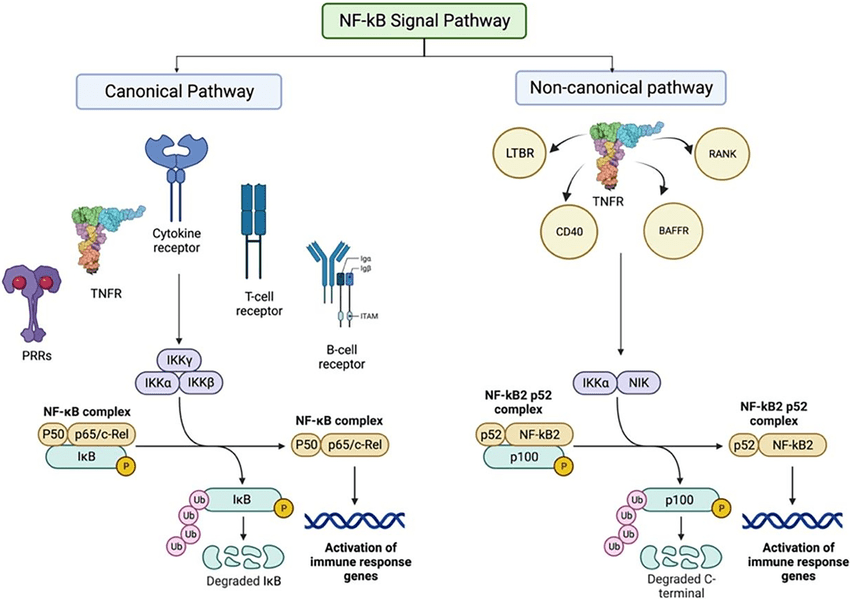
This healing process happens at as deep as a molecular level. Dr. Ayustaningwarno explains that “compounds like gingerol can suppress inflammatory signalling pathways, including NF-κB.” This pathway—fully known as nuclear factor kappa-light-chain-enhancer of activated B cells—plays a critical role in regulating inflammation and generating pro-inflammatory cytokines. By inhibiting this pathway, ginger reduces the production of these inflammatory markers, resulting in less overall inflammation and better support for immune function.
Beyond just fighting off inflammation, ginger also exhibits vital immunomodulatory effects. This concept is often misunderstood in modern wellness trends.
Dr. Ayustaningwarno clarifies that immunomodulatory effects “refer to the ability to regulate or balance the immune system, rather than simply boosting it.” This distinction is crucial because an over-boosted immune system can actually cause harm through hyper-inflammation.
Instead, ginger’s bioactive compounds help the immune system respond more appropriately to threats. Dr. Ayustaningwarno notes that they can enhance our immune defenses when they are actively needed, while simultaneously preventing the kind of excessive inflammation that leaves us feeling depleted.
More Than a Cure
So the next time you reach for ginger tea when you feel unwell, it is not just about fighting off a cold.
That slow, warming sensation is not proof of a cure. But it is meaningful. It signals care, intention, and the small rituals we turn to when we feel most vulnerable.
To learn more about the scientific fact about ginger, read Q&A of everything Ginger with Dr. Fitriyono Ayustaningwarno.
And read about the psychology of modern wellness products like ginger shots here: Bottling Health: The Psychology Behind Wellness Shots and How Can We be More in Control of Our Health.