Coffee is one of the last things you would logically choose before bed. Its caffeine typically makes people feel more awake, not more ready to sleep. Yet at the end of an evening meal, after the plates have been cleared and dessert has either been ordered or refused, the question still arrives: “Would anyone like coffee?” The strange part is not that coffee exists on the menu. The strange part is how normal ordering one at 10pm is.
Why We Still Order Coffee After Dinner
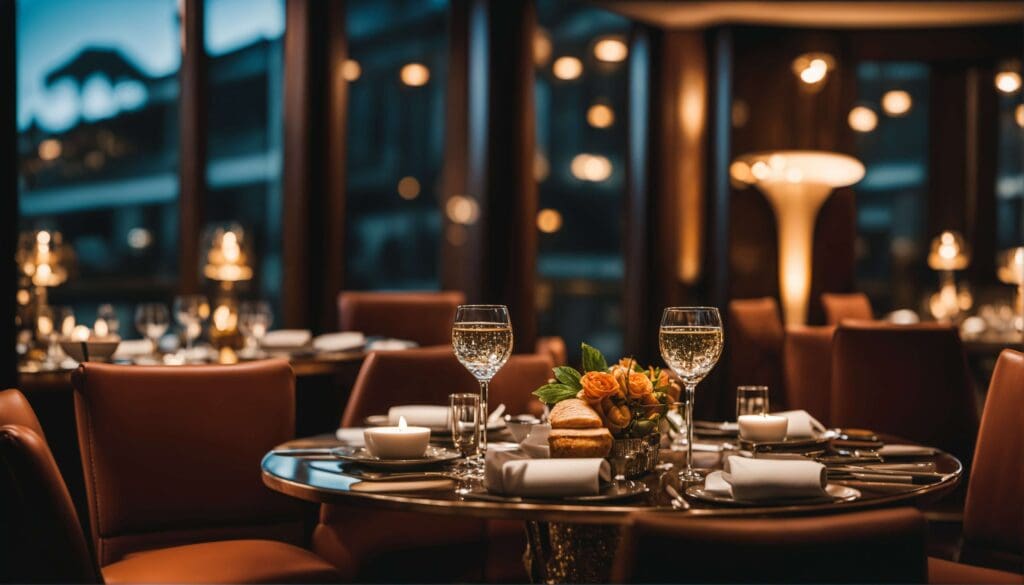
The after-dinner coffee survives because it represents more than a drink. In restaurants, it often works as a closing signal, where it gives staff a familiar way to move the meal into its final stage without rushing the customers. The food is finished and the bill is on its way, but things aren’t quite done. Coffee fills that gap. It lets diners keep talking while the restaurant keeps the rhythm of service moving.
It also gives people something socially acceptable to do once the main event has ended. Sitting at a table with nothing in front of you can definitely feel awkward. Ordering another course is costly and unnecessary. Coffee offers a smaller, cheaper commitment. It extends the evening without turning it into another meal.
In Italian dining culture, coffee after a meal is a recognised ritual. They began drinking espresso after meals primarily in the 1950s and 1960s. This custom exploded in popularity during the La Dolce Vita era, when modern, high-pressure espresso machines became widely available in restaurants and cafes across Italy.
Mark Pendergrast, scholar and author of fourteen books including ‘Uncommon Grounds: The History of Coffee and How it Transformed our World’, traces these routines much further back than mid 20th century Italy.
“I think it goes back to the history of coffee in coffeehouses in the Arab world of the 16th century, where people socialised over coffee routinely, in the morning, noon, and evening — whenever. It’s a drink that seems to inspire alert conversation without being inebriated.
“It also inspired disrespectful, satirical poems about those in power, so coffeehouses were banned in various countries over the centuries. So I think it is natural to offer coffee after dinner, even in many homes, though perhaps not in the UK.”
This doesn’t mean the whole world is copying other countries. Once a behaviour becomes associated with sophistication and hospitality, or a ‘complete’ meal, it can survive even when its roots are forgotten.
Research on consumption rituals suggests that these repeated behaviours are supporting evidence of this commensality – the social practice and shared cultural experience of eating and drinking together at one table. A 1989 study on ‘Bourgeois Society’ discussed the value of coffeehouses in hosting social participation and democratic discourse. The coffee is therefore not in focus but facilitates socialisation through an occasion, made possible through drinking coffee with others in public.
What Caffeine Actually Does Before Bed
It’s common knowledge that caffeine before bed is a no no. A controlled study published in the Journal of Clinical Sleep Medicine found that caffeine taken even six hours before bedtime had significant disruptive effects on sleep. A 2023 systematic review of this found that caffeine reduced total sleep time by around 45 minutes and reduced sleep efficiency, with stronger effects when caffeine was consumed closer to bedtime.
The timing matters because caffeine stays in the body for hours. The Sleep Foundation explains that caffeine’s half-life can vary widely, with half of the caffeine still remaining after roughly two to twelve hours depending on the person. The European Food Safety Authority has also advised that a single 100mg dose of caffeine, equivalent to a 240 ml cup of home-brewed drip coffee, may increase the time it takes to fall asleep and reduce sleep duration in some adults, especially if consumed close to bedtime.
So why do we still say yes? Much of the decision is not made socially, not with health or our upcoming sleep in mind. The waiter offers it as part of the expected script. A coffee sounds more final than anything else on the menu. What else would we have to close the evening?
The bottom line is simple. After-dinner coffee is offered because it works as a social practice and helps the restaurant move you along respectfully, not because it makes obvious sense before bed. The body doesn’t understand these social routines. Caffeine still behaves like caffeine, so next time you order that espresso at 10pm, enjoy it, but don’t forget the trade-offs.
Fancy more about coffee? This will do the trick.