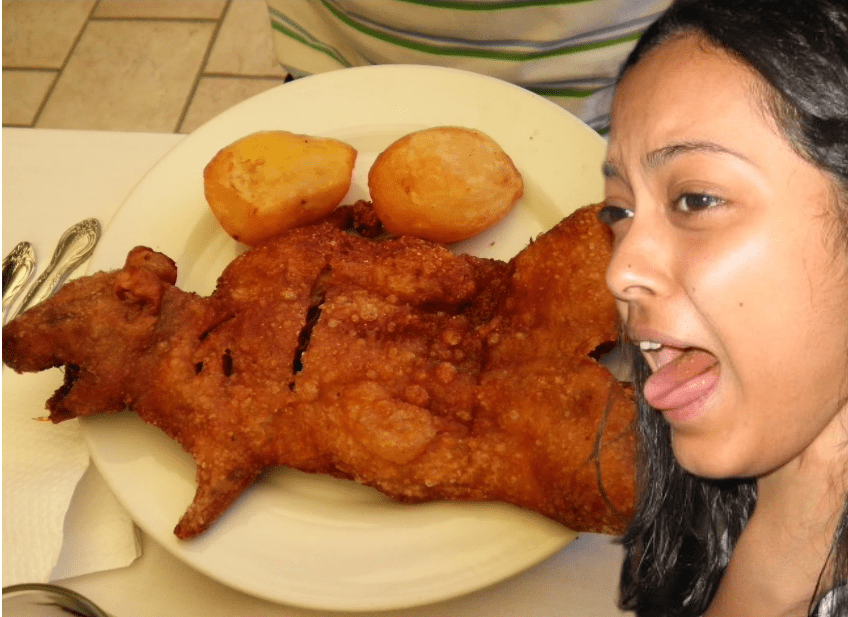
You’ve probably never been in a situation where you have to drink your own piss, and hopefully you never will. Unfortunately for some people, this is a situation they find themselves in. It’s a choice, eat and drink something disgusting to survive, or die. Seems easy, but do you think you could get over this disgust, and do what you had to do to survive. Well, science suggests you can.
Dr Sarita Robinson is a survival psychologist, and she explains what goes on in survival situations to help you get over your revulsion. “As your blood glucose drops, there is a specific part of the brain that starts to turn off. The ACC regulates your feelings of disgust, and what you will and won’t ingest. Our bodies recognise that it is more important to get energy, and we have to bear with it and eat what’s available.”
Disgust is one of the human emotions that is completely universal, and reactions like wrinkled noses, narrow eyes, and pulling yourself back from something can be read by anyone, but in a survival situation overcoming these reactions can be essential to survival, and you can even learn to like objectively disgusting things.
“There’s the fascinating story of Steven Callahan, who wrote ‘Adrift, 76 days lost at sea’ based on his experience. He survived on a little life raft for weeks, and had to start looking at ways to survive,’ says Robinson. “What he said was that he really liked eating fish eyes. He was eating them like skittles, and the best bit was when the eyeballs burst and he got a bit of extra fluid.
“Now I don’t know about you, but the eyes aren’t normally the prime bit of fish that I go for. It’s really fascinating how much our hunger moderates our sense of disgust.”
Survival situations don’t just apply to when you find yourself stranded in the wilderness. Pregnancy is a survival situation, and the stakes are double. It’s suddenly not just your own life you have to consider. “When women are in their first trimester they get much more sensitive to disgust,” explains Robinson. “When you think about you’re immune system, you probably think about antibodies floating around your body, but actually the first level of defence is actually behavioural.
“If you saw someone sneezing and vomiting, you’d probably try and avoid them- that’s part of the immune system, and it’s the same as avoiding disgusting food. Pregnancy accentuates this.”
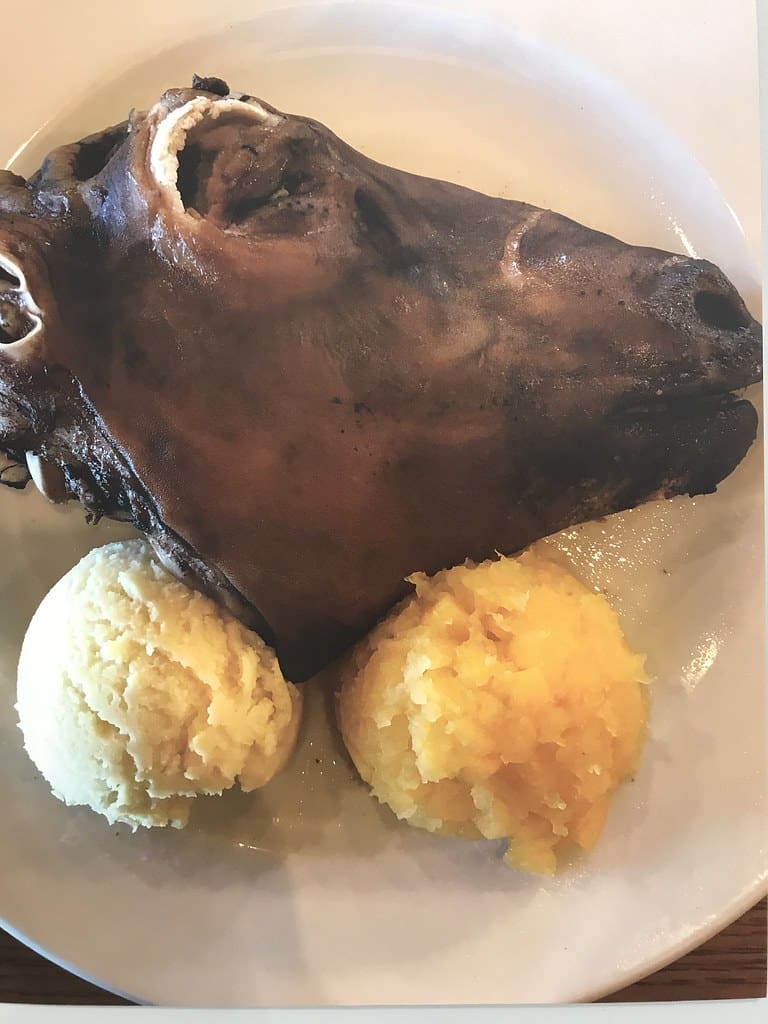
One benefit that can come out of these sort of survival situations is that you can unlearn cultural behaviours. It’s no secret that sometimes when you go to a foreign country, you can experience a little trepidation in eating their odd cuisine. “This is a learnt behaviour,” explains Robinson, “if you are bought up in a society where food is scarce, and you don’t have the luxury of eating the more sterile parts of the animal, then you could end up eating a sheep’s head or something like that.
“But cultures also evolve, if you look at Britain 50 years ago, we used to eat things like tripe, offal and animal hearts, it’s not unfeasible to think that we could go back to eating like this if supply chains faulter.”
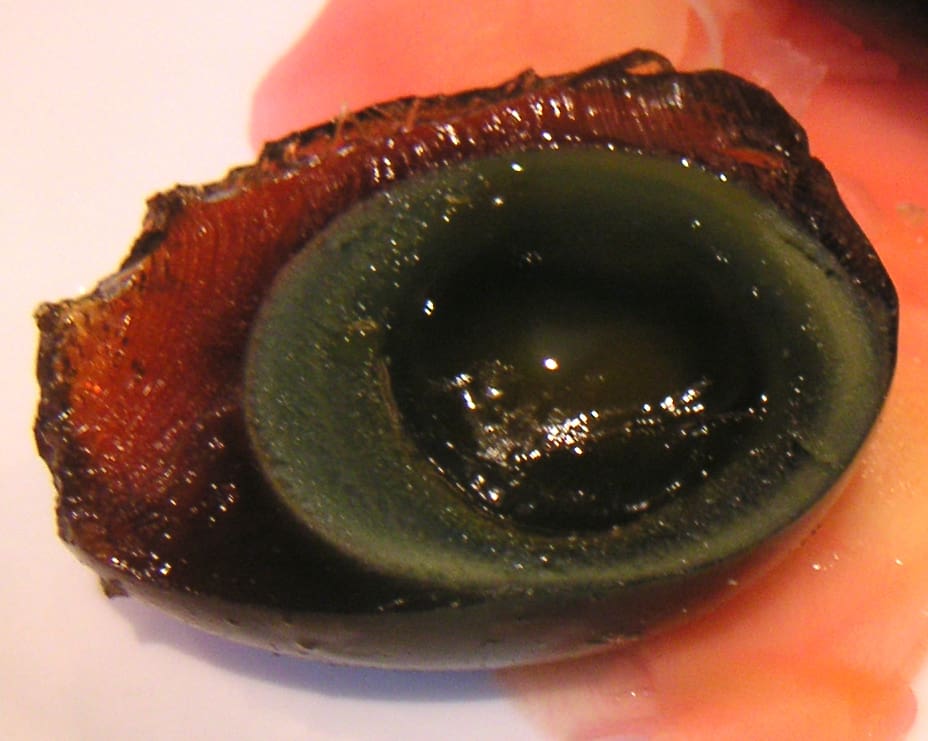
What can happen, however, if you spend enough time with a different culture, you can get used to eating food you previously thought of as disgusting. “Obviously when you get back into society after being in the wilderness you don’t carry on drinking your wee,” explains Robinson, “but you can change perspectives on foods though. I’ve really gained a taste for century eggs. Once you get over the colour and idea of them, they’re really tasty.”
You can turn your nose up at anything, and for a lot of the things mentioned here you would be more than within your rights to do so. You never know though, one day you could be in a situation where fish eyes do become skittles for you, and put aside your trepidations in the name of survival.
You can read more about food and survival, and from Dr Sarita Robinson here