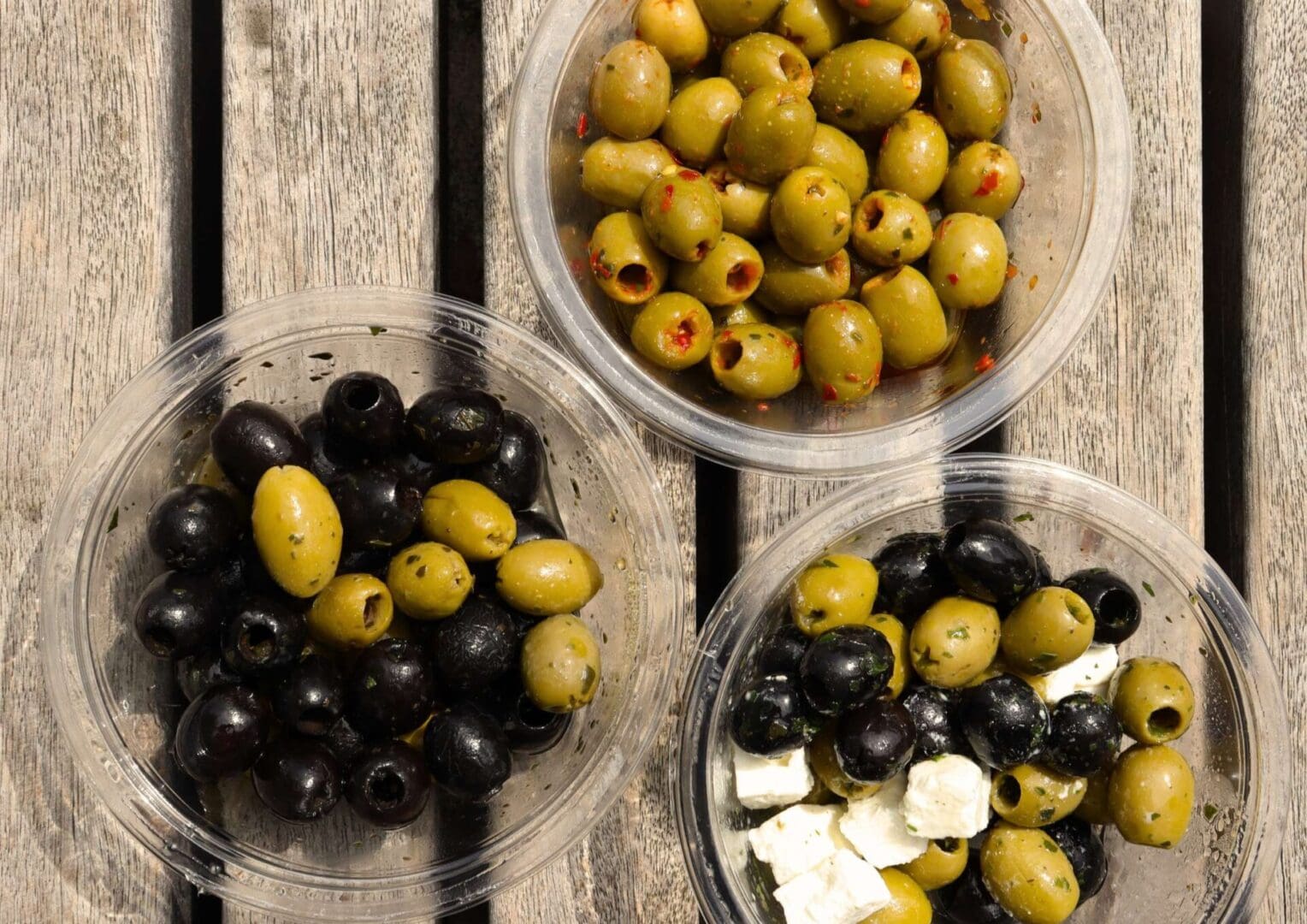
They might divide opinion, but National Olive Day on the 1st June is all about appreciating the little old olive and the big impact it may have on our health.
Olives are native to Western Asia, particularly the central land of modern-day Turkey. Their trees are among the first cultivated trees in the world. Around 3,000 BC, olives spread to the Mediterranean coast of Southern Europe and North Africa. They became a staple in the diets and lifestyles of ancient societies including the Greeks and Romans and were even found in Egyptian tombs dating back more than 2,000 years.
Today, olives remain a central part of the Mediterranean diet.
Whether eaten whole or pressed into extra virgin olive oil, olives have been a dietary staple across Mediterranean countries for thousands of years. Increasingly, modern science is showing that this traditional food may also be one of the diet’s most powerful contributors to healthy ageing and cognitive resilience.
Dr Simon Poole, Cambridge-based medical doctor, author, communicator and consultant on the Mediterranean diet and olive oils, believes the science behind Mediterranean eating is stronger than many people realise.
“There’s definitely a space for educating in a reliable, authoritative way,” he says. “Some of the science comes through but then slips through and people actually don’t pick up on it, which I find is extraordinary.”
The Mediterranean diet has consistently been associated with longer life expectancy and lower rates of chronic disease. According to Dr Poole, confusion around healthy eating is often driven by competing diet trends rather than evidence.
“We now know essentially what we should be eating,” he says. “The macronutrients are straightforward, really.
“It is now absolutely clear what fats we should be eating. We should be eating predominantly unsaturated fats. We should be going for nuts. We should be going for olive oil. We should be going for avocados.”
Why Olive Oil Is Linked to Longer Life
One reason olive oil may support longevity is its unique nutritional profile. Extra virgin olive oil is rich in monounsaturated fats, particularly oleic acid, alongside polyphenols such as oleocanthal and hydroxytyrosol. These compounds have demonstrated anti-inflammatory and antioxidant properties, helping to reduce oxidative stress, a key biological process implicated in ageing and age-related disease.
Dr Poole argues that these compounds may be the real source of olive oil’s benefits.
“The healthy fats are good for us, but actually, probably what drives the real benefits of extra virgin olive oil and many other plants is these bioactive compounds called polyphenols.”
A large dose-response meta-analysis involving more than 2.7 million participants found that higher olive oil consumption was associated with significantly lower risks of cardiovascular disease, cardiovascular mortality and all-cause mortality.
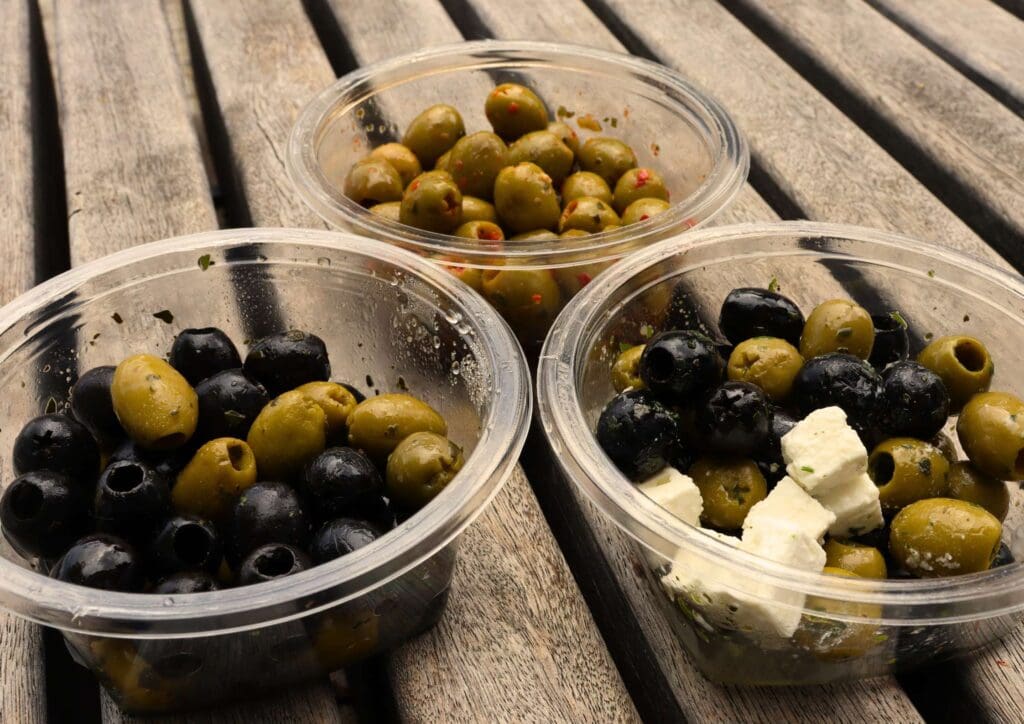
Importantly, olives and olive oil are rarely consumed in isolation within Mediterranean populations. They form part of a broader dietary pattern rich in vegetables, legumes, whole grains, nuts and fish.
According to Dr Poole, “It’s a plant-forward, plant-predominant diet, built around vegetables, fruit, whole grains, legumes, nuts, seeds and extra virgin olive oil.
“I used to say it’s safe to cook with extra virgin olive oil. I now say it’s desirable to cook with extra virgin olive oil.
“The Mediterranean diet simply couldn’t work as a healthy dietary paradigm if it was unsafe to cook in extra virgin olive oil, because they do it all the time in the Mediterranean diet.”
Beyond food alone, Dr Poole says Mediterranean communities offer important lessons on ageing well.
“It does absolutely seem that the Mediterranean lifestyle, which is not just about the food and nutrition, but there are other elements to it, is clearly really important.
“People living in so-called Blue Zones continue to demonstrate the benefits of that lifestyle. You’re three times as likely to make it to the age of 90 in the Mediterranean in comparison with some parts of the USA,” he says.
Olives, Brain Health and Healthy Ageing
Research is also beginning to uncover links between Mediterranean eating patterns and brain health. A 2024 systematic review examining olive oil consumption and cognition concluded that both cohort studies and randomised controlled trials consistently linked olive oil intake with better cognitive performance and a reduced risk of cognitive deterioration and dementia.
Dr Poole points to a study of American nurses published in 2024 which “showed a decreased relative risk of dementia deaths by 30% in American nurses who are adhering most closely to a Mediterranean style diet.
“Another finding that stands out is a major study conducted by the University of Uppsala. The lowest risk of death was in the people who were overweight on the Mediterranean diet.
“Being overweight is only a risk of diabetes, stroke, heart disease, and early death, if you eat a Western diet.”
In a world increasingly focused on complex longevity interventions, olives and extra virgin olive oil offer a reminder that some of the most effective health strategies remain remarkably simple. Supported by decades of research, this Mediterranean staple continues to demonstrate that a longer, healthier life may begin with what we put on our plate.
For Dr Poole, olive oil remains one of the defining foods behind those benefits.
“If there’s any food that deserves the term superfood, it’s olive oil, frankly.”
Fancy more on olive oil? Read here.
What about effects of the Mediterranean diet? Check this out.