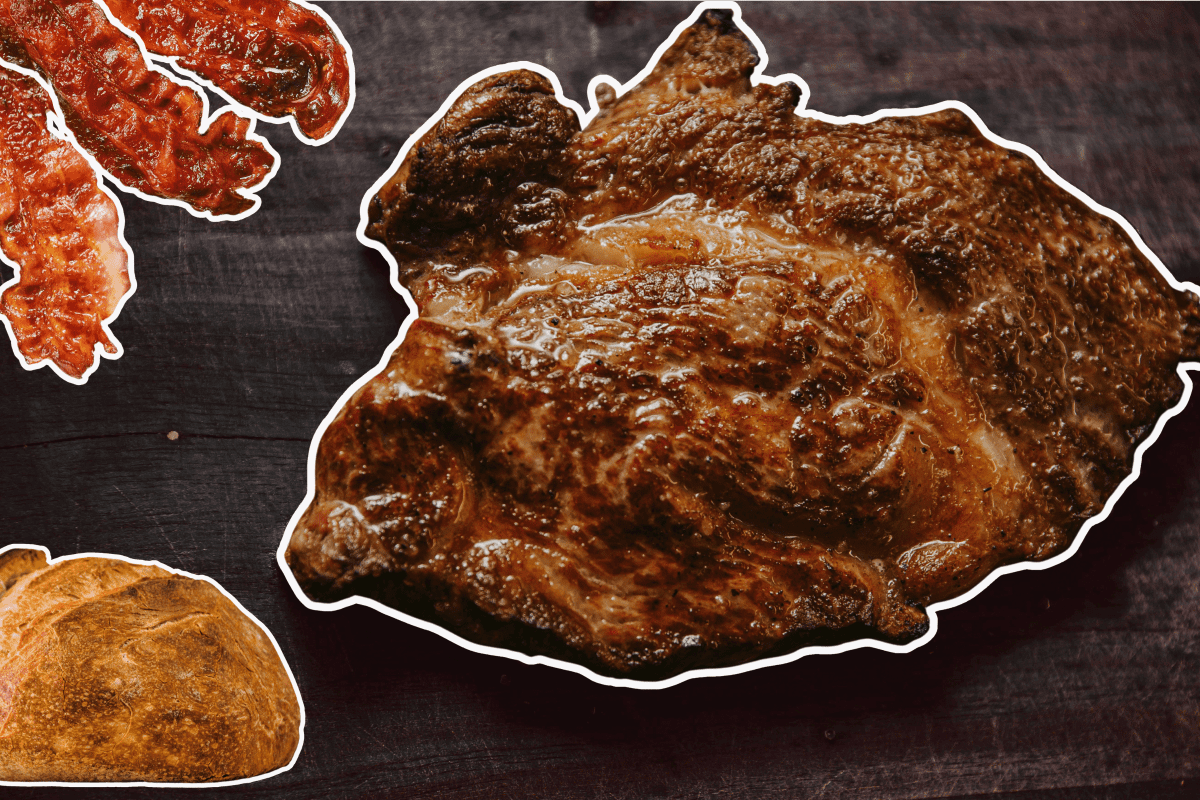
A seared steak. The golden crust of a freshly baked loaf of bread. A crispy rasher of bacon. A freshly poured cup of roasted coffee. When done right, all these things have a signature, mouth-watering taste. But despite being so different from each other, there is one thing they have in common: The Maillard Reaction.
How it works
When food stuffs containing proteins and sugars are transformed by heat, a chemical reaction takes place that creates distinct savoury, umami, caramelised, and ‘meaty’ flavours and aromas.
The Maillard Reaction, first touted by French chemist Louis Camille Maillard in 1912, takes plans when a cooking temperature falls between 140ºC to 165ºC. The process is also known as non-enzymatic browning.
Nobel Prize-winning chemist Jean-Maire Lehn has called Maillard “the most widely practiced chemical reaction in the world” for its use in kitchens and restaurants around the world.
The process occurs as follows. Glucose (sugar) reacts with amino acids (protein) to produce water and glycosylamine, a compound which acts as a catalyst for enzymes. These then break down into ketosamines (a type of sugar), and again into a variety of different flavour-filled products.
Tasty results
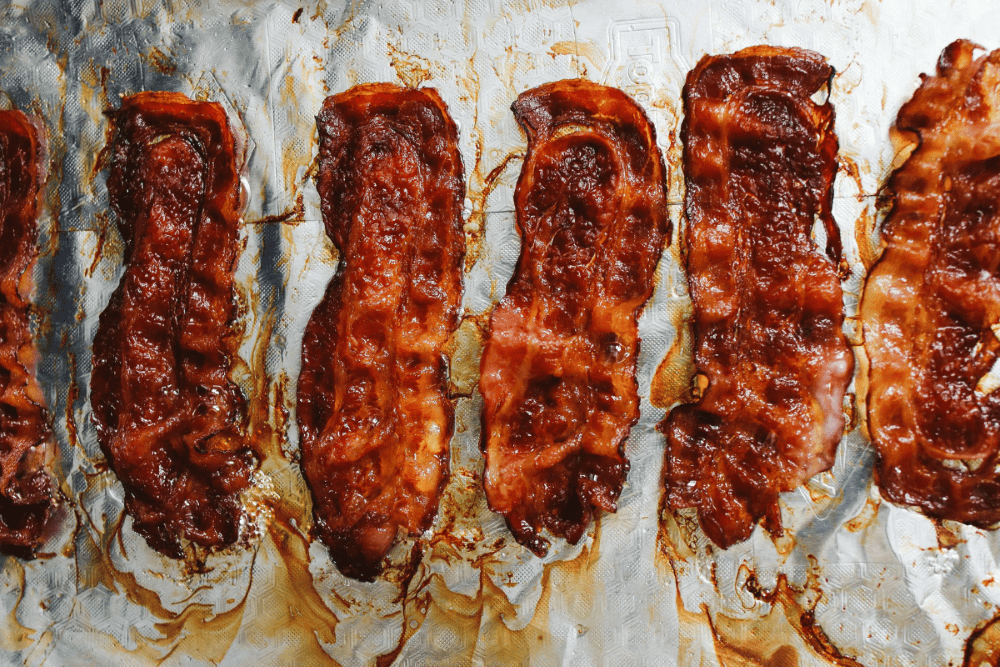
The production of substances like furanones and furans evoke burnt and caramel-like flavours when eaten. Pyrazines give things like bread and popcorn a toasted and nutty flavour. And pyrroles are an important aspect of cereals and roasted coffee blends. Whichever chemical and flavour is produced comes down to the types of protein and sugars in the food.
Heat risk
The key to nailing the perfect reaction? Sticking to the temperature range. If you go above it, you can risk burning the food, which pushes it past the golden brown caramelisation stage and into burning, which is also known as carbonisation. The bitterness of this stimulates bitter receptors (TAS2Rs) across the surface of the tongue, which primarily help to detect potentially toxic foods. So not exactly the appealing taste you would have been after…
But the next time you smell a rasher of bacon sizzling on the grill and wonder why it’s so appealing, remember the science behind the sensory hit.
That’s browned foods, but what about beige foods? Read about why they are a comfort food here.