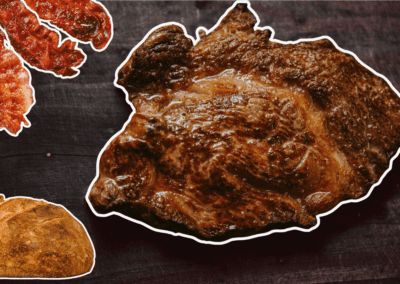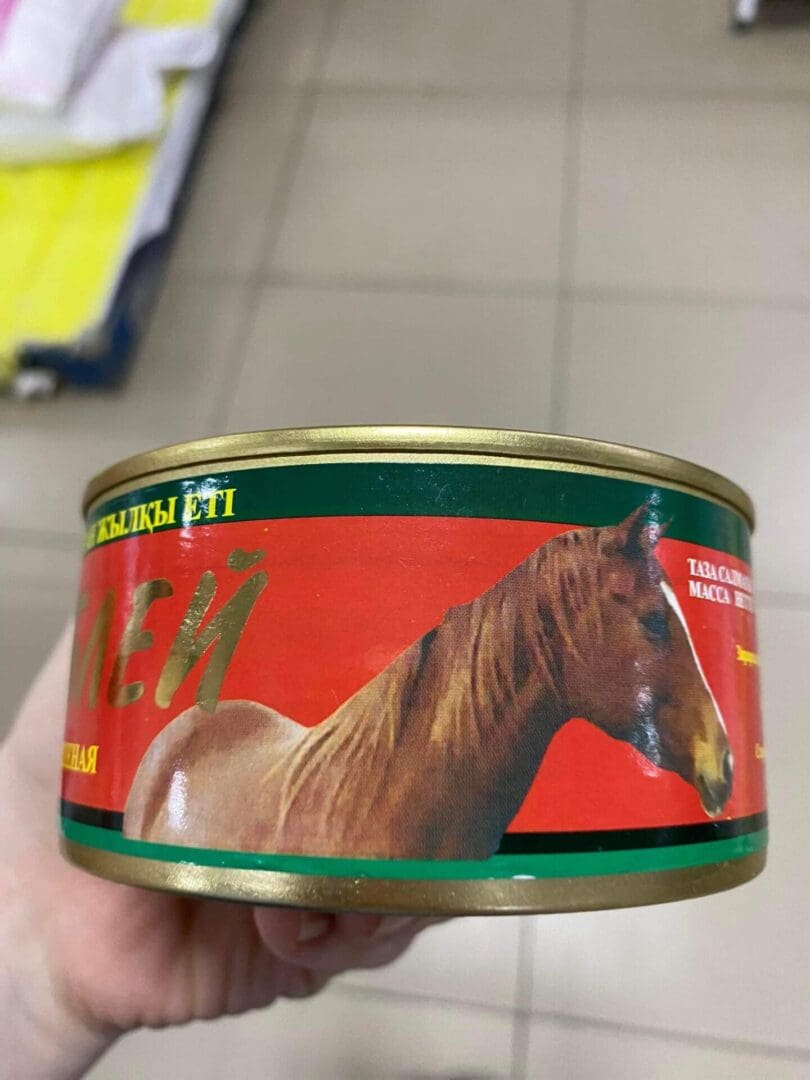
If you cast your mind back to the start of the last decade there was a scandal that rocked the nation. Tesco were found to be serving Horse meat in labelled as Beef. Not only was this a big deal in terms of potential contamination, and a demonstration that food standards had slipped, but people were repulsed at the idea that they might have eaten horse meat.
It’s interesting isn’t it. I’m sure that if it had been pork of chicken mixed up in there, the outcry wouldn’t have been so bad, but something about the British palate couldn’t stomach horse meat. Hippophagie is the practice of eating horses, and it is done in countries like Kazakhstan, were Kazy, a horse sausage, is a cultural staple. Horse meat is also eaten in China, Mexico and Mongolia. So why is it that meats eaten in some countries, are taboo in others.
“I think the reason we find other cultures diets as weird is because diets are treated as default,” explains Jon-Christian Pass, a psychologist at Simply Put Psychology, “you can ask a vegetarian or a vegan quite casually ‘why did you become vegan?’ because their diet is treated as a decision.
“Most people never experience eating meat as a decision. It arrived as an accepted norm through family meals, school dinners, restaurants, adverts, and the quiet machinery of normal life.”
What JC Pass also believes is that it is the labels that meat are given that impacts how we perceive it. “Pig becomes pork, cow becomes beef, and chicken becomes a protein choice; meanwhile dog remains dog, and horse remains horse.
“The animal has not changed in a moral sense, but the category changes how people feel, what they notice, and how much moral concern they bring.”
Cultural differences
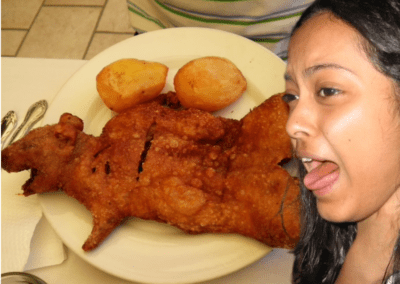
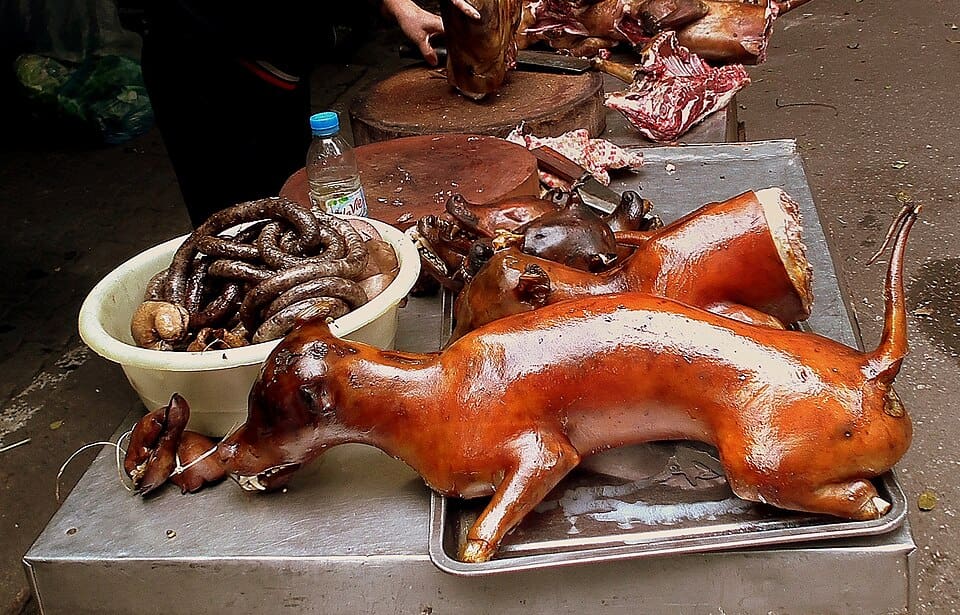
When it comes to cultural differences in eating meat, we can consider this is a similar manner. Different cultures have different concepts of what animals belong where. As JC Pass explains “we aren’t responding to the animal itself, but the cultural classification system that tells us which animals are food, and which are family. What family are pests, and which it would be strange to eat.
“Cultural differences in meat eating are less about the animal itself and more about the inherited categories a culture places it in.
“One society sees livestock, another sees a companion, and another sees a sacred animal. If you grow up with these boundaries in place then they feel obvious and normal. Once you step out of these cultural defaults and the dinners can start to look more like a moral incident.