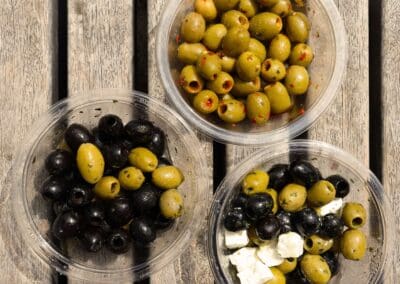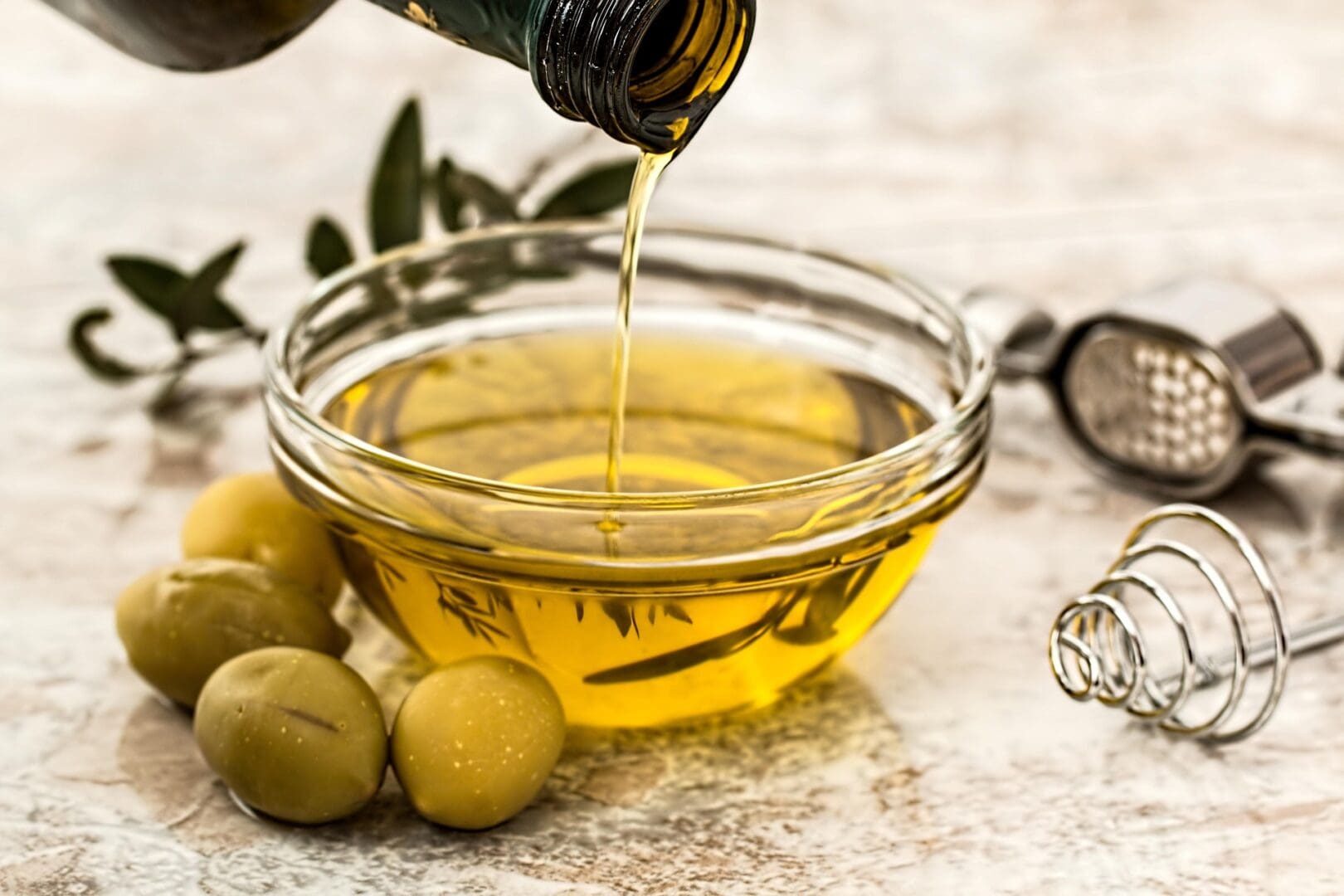
To most of us, an olive is a savoury snack you fish out of a martini or throw on a pizza. But to a food scientist, an olive is a freak of nature.
It’s a fruit, but while apples and oranges load up on sugar as they grow, the olive decides to do something completely different: it fills itself with oil.
If you’ve ever tried to pluck a raw olive off a tree, you know it’s an unforgettable mistake. It is aggressively, shockingly bitter. Dr. Selina Wang, an olive oil research expert, explains that this is due to oleuropein, a chemical defence mechanism the tree uses to keep pests from eating its babies.
To make an olive edible, you have to use chemistry to get rid of that bitterness. This process is called curing, and it’s basically controlled food science.
- The Greek Method (Brine): Olives sit in salty water for months. Through osmosis, the bitter chemicals slowly leach out, while natural, friendly bacteria ferment the fruit, giving it that tangy, complex punch.
- The Spanish Method (Lye): For mass production, olives are soaked in a alkaline lye solution. This chemically snaps the bitter molecules in half in a matter of hours, making them water-soluble so they can be washed away.
And what about making the oil?
It’s a game of physics. Because “Extra Virgin” oil cannot use chemicals or high heat, producers crush the olives into a paste and slowly churn it. This process, called malaxation, coaxes microscopic droplets of oil to bump into each other and fuse into larger pools. A massive centrifuge then spins the paste at high speeds, separating the heavy water and skins from the light, golden oil. Voila, a pure and unadulterated fruit juice.