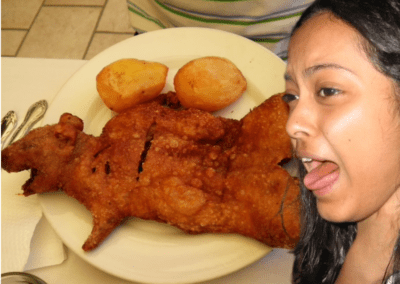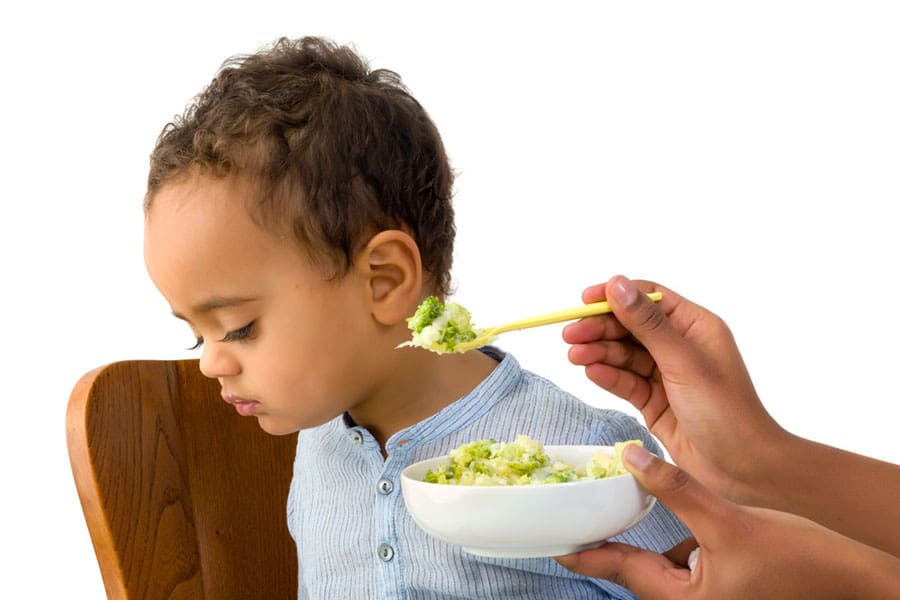
It’s a very common experience, you encourage your child to eat something new, and you get the same response every time- an unwavering ‘no, I don’t like it.’ Head in your hands because its the fifth time this week, and you ask yourself how can you not like it? You’ve never tried it before. Well, this response in children can actually be rooted in something more primitive than them just being fussy eaters. Food Neophobia is an evolved reflex designed to protect you from eating something potentially dangerous. While it is most common in children aged 2 to 6, children who don’t grow out of this stage could face harmful health consequences later in life.
Food neophobia is a behaviour adopted by around 50% of children when they reach the age of two, and it is nothing to worry about. It just means that it can be difficult to encourage your children to eat something new. Research suggests that you can actually reduce the impact of neophobia on a child in later life by introducing them to new foods before they reach the neophobic stage. This means that once they’ve grown out of this stage, then they’ll be far more likely to enjoy a varied and balanced diet.
Because of the chemosensory system that underlies taste, and your other sense, neophobia can manifest behaviours such as your child pulling faces, spitting out the food, or a complete refusal to eat it.
This varied diet is particularly important, as adults who are neophobic can suffer from serious health issues. Neophobic adults can experience nutrient deficiencies due to the loss of a diet balance. Alternatively, poor food choices can lead to unhealthy weight gain.
It’s not picky eating
Many people get picky eating and food neophobia confused. While admittedly, the two share similarities, neophobia is more considered to be the refusal to eat or try new foods, whereas the behaviour of picky eaters is more likely to just eat the same things over and over.
Why has it evolved
One of the reasons people have evolved to experience food neophobia in younger ages is as a protective mechanism. This is important as it helps us to not ingest dangerous or poisonous foods.
In the modern world, where people don’t have to worry about eating deadly food so much, it has become a more of a useful mechanism used to develop ones sense of taste.
What you can do
There is research that suggests that the consumption of a mediterranean diet, including fresh fruit, vegetables and fish high in anti-inflammatories and antioxidants can be decrease the severity of food neophobia. Research also links breastfeeding to neophobia, suggesting that if children are breastfed for longer, there is a lower severity of the neophobia.
You can read more about food behaviours here