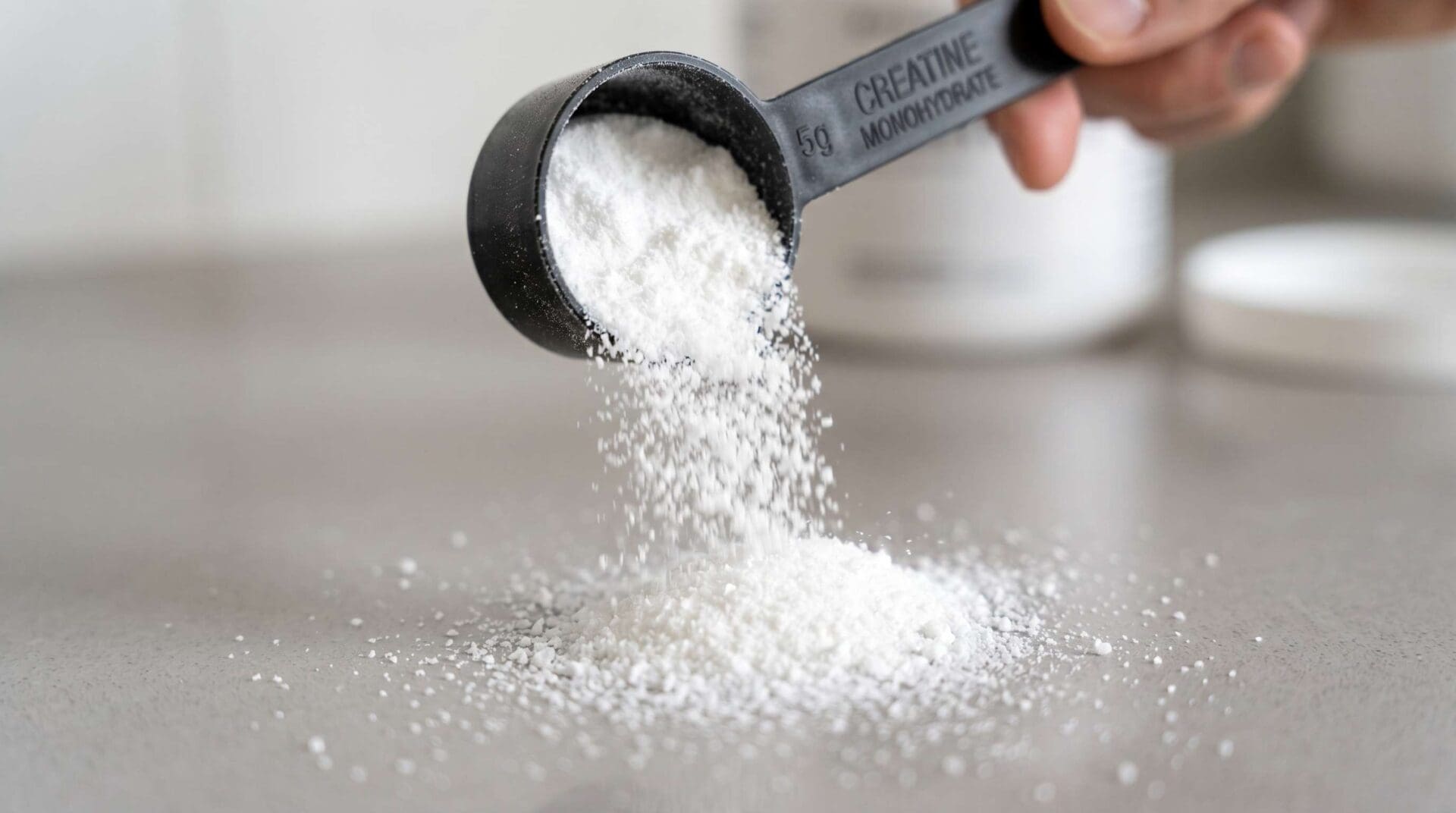
The moment you think of lifting a weight for the first time, the algorithm knows. Before you’ve even figured out what dumbbells are for, your feed is full of men with suspiciously good jawlines telling you that creatine will make you a Greek god or destroy your kidneys, or both.
I know this because it happened to me. Four years ago, I was 15, with my first gym membership, and within a few hours, my TikTok was littered with supplement science delivered entirely by people who’d never set foot in a lab. These promotional messages persuaded me to start taking creatine. I stopped. I started again. I stopped again. Over and over, for almost half a decade, driven by any new “research” I’d come across at 2 am on my feed.
It was around this time that I became convinced I needed to save my friends from kidney damage. I confidently told my friend Rex, who had just started taking creatine, that he was “killing his kidneys.” I had seen a 30-second video whilst sleep-deprived. That was the foundation of my scientific knowledge. I spread this message around the gym for weeks, warning my friends off a supplement I didn’t really know anything about.
The Brain Supplement Boom
More recently, I started seeing different videos whilst half-asleep: creatine is incredible for your brain. I thought, “I’ve always quite liked my brain.” So… ten grams. Every morning. Before breakfast. I’ll be honest: I noticed a difference, less brain fog, better focus when revising. In fact, when I look back at mock exam results from previous years when I was taking it and when I wasn’t, there’s a pattern. Whether that’s real or just a placebo, I couldn’t tell you.
Which is exactly the problem.
This is the irony at the heart of creatine’s reputation as the world’s most researched supplement. There are thousands of papers, decades of research. And yet the average person (including me) has had their understanding of it shaped almost entirely by short-form content from people with no qualifications and a gym-brand sponsorship.
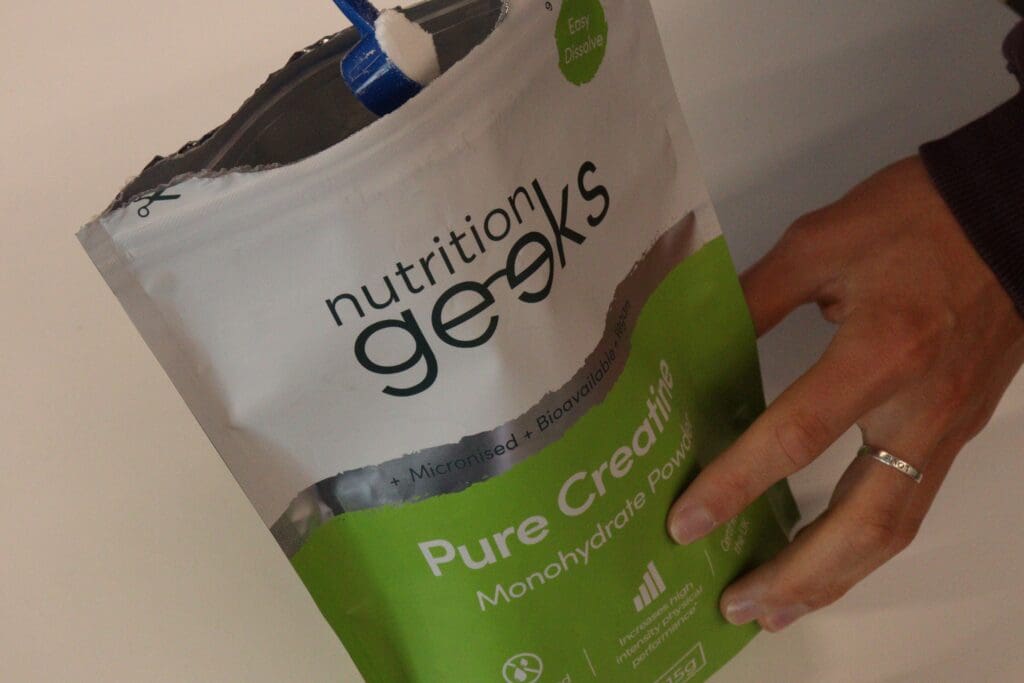
I wanted definitive answers about the effects of creatine on the brain.
So, I spoke to Professor Anthony Vernon, a Neuroscientist at King’s College London.
“About half your creatine comes from your diet, and the rest we make intrinsically in the liver, the kidneys, and the pancreas”, he said, “so, it’s not something foreign to the body at all. It’s something we’re already producing ourselves.”
This was the detail that nobody on my ‘For You’ page had ever mentioned. Creatine isn’t some exotic chemical that you’re introducing into your system; you’re just topping up something your body already runs on.
And the brain, it turns out, runs on it heavily.
Professor Vernon told me, “By far the biggest demand on your body’s energy production is the brain. Some people refer to this as the selfish brain, consuming all your energy.
“You can think of creatine as an energy reservoir.”
Creatine helps regenerate ATP, which is what your cells use as fuel. This process primarily replenishes your energy when you are performing an extremely physically or mentally demanding task. This makes creatine exactly what Professor Vernon describes: an energy reservoir for your brain.
However, the debate is more complicated than this.
Professor Vernon said, “Under conditions of stress, you might push things out of equilibrium. What’s essentially happening is you’re creating an energy trade-off. You have a fixed amount of energy available, and you’re stealing it from other processes it’s needed for.”
If creatine helps maintain your brain’s energy supply, then the people who might benefit most from supplementing with it aren’t the healthy, well-rested gym-goers, but those who are always running on empty: people who are sleep-deprived, for example, or those with conditions that affect creatine production.
“If that trade-off is prolonged, it starts to manifest as things like brain fog or short-term memory problems.”
This might explain why I noticed a difference during an exam period. I was sleep-deprived, anxious, and surviving on fishfingers and caffeine. My brain’s energy demands were high, and my ability to meet them was impaired. Maybe creatine was genuinely helping. Or maybe, as I had originally worried, it was just a placebo.
Professor Vernon added, “There was a quite famous study where a German group gave people a large amount of creatine, and almost all of them were sleep-deprived. The people who took creatine did better on cognitive tests, but that doesn’t mean very much in the real world.”
The problem with much of the research cited by TikTok gurus is that it was conducted in very specific, often extreme circumstances. Sleep-deprived subjects or people suffering from Alzheimer’s. This raises the question of whether the benefits apply to a young adult who sleeps well (except when sitting exams) and eats a well-balanced diet.
The Kidney Damage Myth
What about the kidneys? My original fear. The thing I warned Rex about with such confidence.
The results from recent studies are very reassuring. Consuming creatine increases blood creatinine levels, which is a marker doctors use to assess kidney health. This led to the assumption that creatine was damaging the kidneys. But creatinine and creatine are not the same thing, and elevated creatinine from supplementation, in people with healthy kidneys, is not necessarily evidence of harm. It’s just evidence that you took creatine.
A narrative review published in the National Library of Medicine looked specifically at this question and found that controlled clinical trials do not support the claim that creatine damages your kidneys. However, people with kidney conditions are a completely different story, as their creatinine levels are regularly measured, so an increase in creatinine due to creatine supplementation may disrupt measurements, potentially resulting in false readings.
The verdict across decades of research is that creatine is safe for most people without pre-existing kidney conditions. Which is great news for my kidneys, but it does mean my adolescent warnings to Rex and my other friends were not heroic. I was just spreading misinformation.
So, what does this all mean? The honest answer, and Professor Vernon was very direct about this, is that we don’t fully know yet.
“There is evidence out there, but one should always be looking at it critically. What we really need is more structured studies to understand whether it’s good or bad under different contexts.”
He also said regarding his own position: “We need more systematic evidence before we can make any real claim. I’m sitting on the fence.”
If a professor at King’s College London cannot draw clear, universal conclusions from studies on creatine, it is no wonder that the internet is also full of contrasting opinions. Creatine has not yet been objectively shown to be a kidney killer or a brain builder, and when a study eventually proves or disproves either claim, I’m sure I’ll stumble across it on my social media feed at 2am.