When energy stores run out, athletes reach for concentrated packets of sugar designed to delay collapse. But not everyone is convinced they should.
When marathon runners ‘hit the wall’
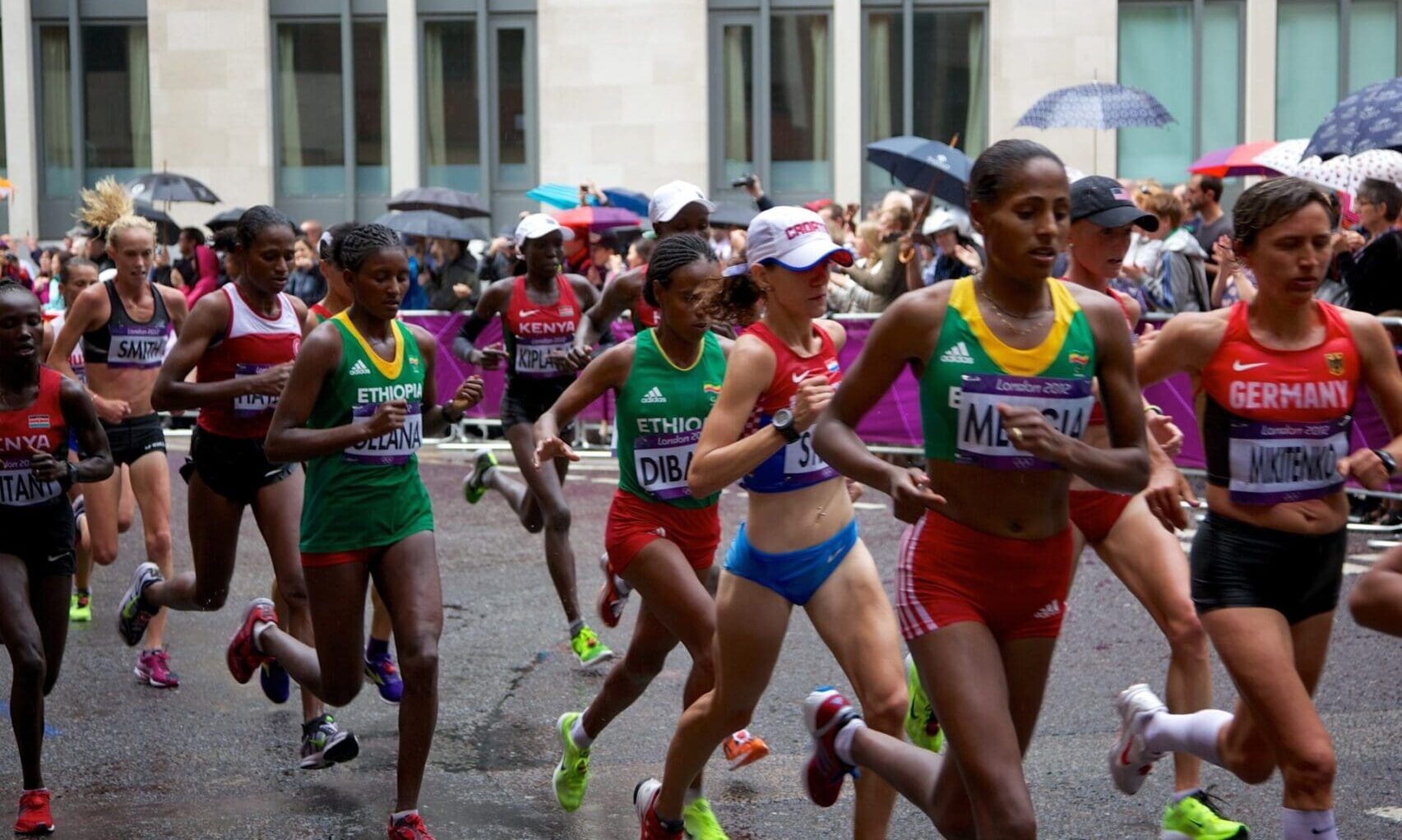
Marathon runners say the most punishing miles come after their 18th, when their energy has nearly faded and their emotional resilience is tested. As their legs stiffen and their mouth goes dry, some tear open their fourth or fifth packet of energy gel.
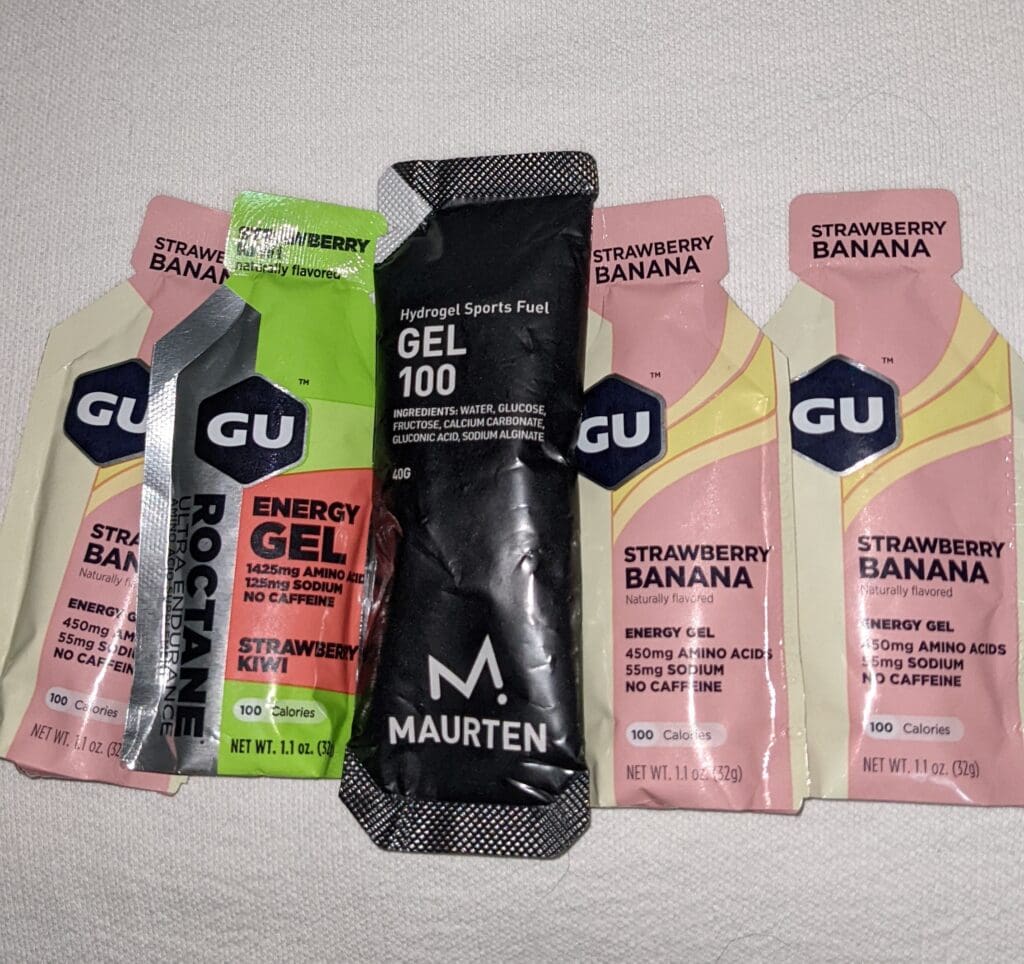
The neon gluey syrup trying to be birthday cake flavour is a key tool for those fighting fatigue. So why is there still such a divide over its use?
During long-distance exercise, the body relies heavily on carbohydrates for energy. These carbohydrates are stored as glycogen within the muscles and liver, but reserves gradually become depleted during prolonged activity. Once this happens, runners can experience a dramatic drop in energy, fatigue and performance, commonly referred to as ‘hitting the wall’.
Sports nutrition guidelines from the American College of Sports Medicine recommend carbohydrate intake during endurance exercise to help maintain performance, and energy gels are designed for this exact purpose. Their aim is to provide fast-digesting carbohydrates in a small, portable format that can be consumed mid-race without slowing down.
Yet even as runners push their bodies to exhaustion, many still struggle with the idea of consuming sugar during exercise.
For some, the resistance is practical: the thick texture, artificial flavours and risk of stomach discomfort make gels unpleasant to consume during intense exercise. However for others, the discomfort is psychological.
The fear of carbohydrates
According to research by the Society for the Advancement of Psychotherapy, around a quarter of endurance athletes engage in disordered eating behaviours. Sports dietitian and personal trainer Holley Samuel says fears surrounding carbohydrates continue to shape the way many runners approach fueling.
“Under-fueling is very prevalent in this community,” she says. “Everyone is very scared of prioritising carbohydrates right now. People tend to be more protein-focused or think carbohydrates are bad, but it’s probably the biggest thing holding them back.”
This reflects a wider tension within endurance sport, where performance increasingly collides with wellness culture and runners’ hesitation to consume the fuel their performance depends on.
Why energy gels work
Whilst some runners avoid gels altogether, others simply prefer to use natural alternatives such as bananas, berries or dried fruit. These foods can still provide carbohydrates, but they are far less practical to carry and consume during a race.
“You could carry this gel and it’s got 25 grams of carbohydrates in it, or you could carry a whole banana. This is going to be a lot easier to get down than trying to chew a whole banana every 20 minutes.”
“If you’re running down the road with a bushel of bananas, that’s not super convenient.”
Energy gels are specifically designed to provide fast-digesting carbohydrates in a compact and portable form. During prolonged exercise, blood flow is redirected away from the stomach and towards working muscles, making digestion more difficult. Because gels are semi-liquid, they are able to move through the digestive system relatively quickly and deliver energy without requiring runners to slow down.
Dr Floris Wardenaar, associate professor at the College of Health Solutions in Arizona, says gels allow runners to be in control of their fuel intake and not reliant on the race organisation’s aid stations.
“You’re less dependent on those eight stations and you know exactly what you get,” he says.
Many gels contain maltodextrin, a processed carbohydrate designed to be absorbed rapidly whilst minimising stomach discomfort. Unlike heavier foods, gels are formulated to deliver energy efficiently during exercise when digestion is already under strain.
“We have found that nowadays if you have those energy gels and you use the right type of carbohydrates, for example maltodextrin, related forms, so long chain carbohydrates, they will have less impact on delaying gut emptying.” Dr Wardenaar says.
“A normal beverage can cross from the stomach into the gut within 10 minutes. If you have a gel, it may take a little longer because it’ s concentrated, but it’s still a sort of semifluid. It’s still something that goes through the stomach fairly fast.”
Processed fuel vs performance
Despite their functionality, energy gels still remain controversial amongst some runners due to their association with ultra-processed foods. Maltodextrin is a food additive commonly criticised outside of sports nutrition, particularly within online wellness culture where processed ingredients are often viewed negatively.
But sports nutrition experts argue endurance fueling exists within a very different context. While some runners’ reluctance to use gels reflects wider anxieties around carbohydrates and processed foods, others just dislike the taste and texture, or have experienced stomach upset. Because gastrointestinal distress is common during carbohydrate intake in exercise, many runners spend months training their gut to tolerate fuel during long runs and race conditions.
Samuel believes the most important thing is simply ensuring runners are adequately fueled, regardless of the format they choose. “There’s a lot of different textures and flavours,” she says. “You can do gummies or chews instead of a gel. There’s lots of different products out there to make this a little bit more achievable.”
Are gels the only option?
Some runners are experimenting with supplements containing caffeine or electrolytes, which may help with alertness and hydration during longer races. The science shows there could be potential performance benefits, but experimenting with race-day nutrition can sometimes backfire.
Even experienced athletes can get their fueling strategy wrong. Before a 5k race in his hometown, Dr Wardenaar experimented with a combination of beetroot juice, bicarbonate and caffeine. Rather than boosting performance, the mixture left him rushing to the toilet minutes before the race began.
That experience highlights the trial and error nature of endurance nutrition, where runners often have to train both their bodies and digestive systems alongside their fitness.
Ultimately, energy gels remain one of several tools runners use to sustain performance during endurance events. But the debate surrounding them reflects something broader within modern fitness culture: the tension between performance, health anxieties and the growing fear of processed food.
For marathon runners approaching those final punishing miles, however the priority is often far simpler. When glycogen stores begin to run low and exhaustion takes over, fuel matters more than perfection.