How many pasta shapes do we actually need? Apparently, more than 350. From the classic spaghetti bolognese to the penne alla vodka, pasta has become less of a food and more of a personality type. But does shape really change flavour, or have we all just been manipulated by rigatoni propaganda?
The different shapes of pasta create varying textures, surface areas and sauce adhesion patterns. The thought behind the shape could just be key to a successful dish to wow your peers.
After her honeymoon in Italy, Carey Aron, co-founder of The Pasta Shoppe, Pastabilities, set up the company with her husband, she says: “we just loved the fact that we could have all these different pasta dishes with different sauces, tastes and flavours and we came back really energised and excited about the pasta industry.
Italian Regions and Their Pairing with Pasta Shapes and Local Sauces
“For traditional Italians, their pasta shapes are created based on the region where they are, what ingredients are nearby and what they need to emphasise there. So their sauce is kind of what determines the shape and what works best.”
The Italians have mastered pairing sauces and shapes, “certainly the shape, paired with the right sauce is going to create that experience you have with your pasta dish,” Carey says. “When you’re travelling in different regions of Italy and you’re having the most incredible meals of your life, you’re like wow why does this taste so good?
“Well you’re eating the freshest, most incredible produce or seafood, combined with the sauce they have created to make the pasta shine.”
The 3 Rules of Pasta Shape: Forkability, Sauceability, and Tooth-Sinkability

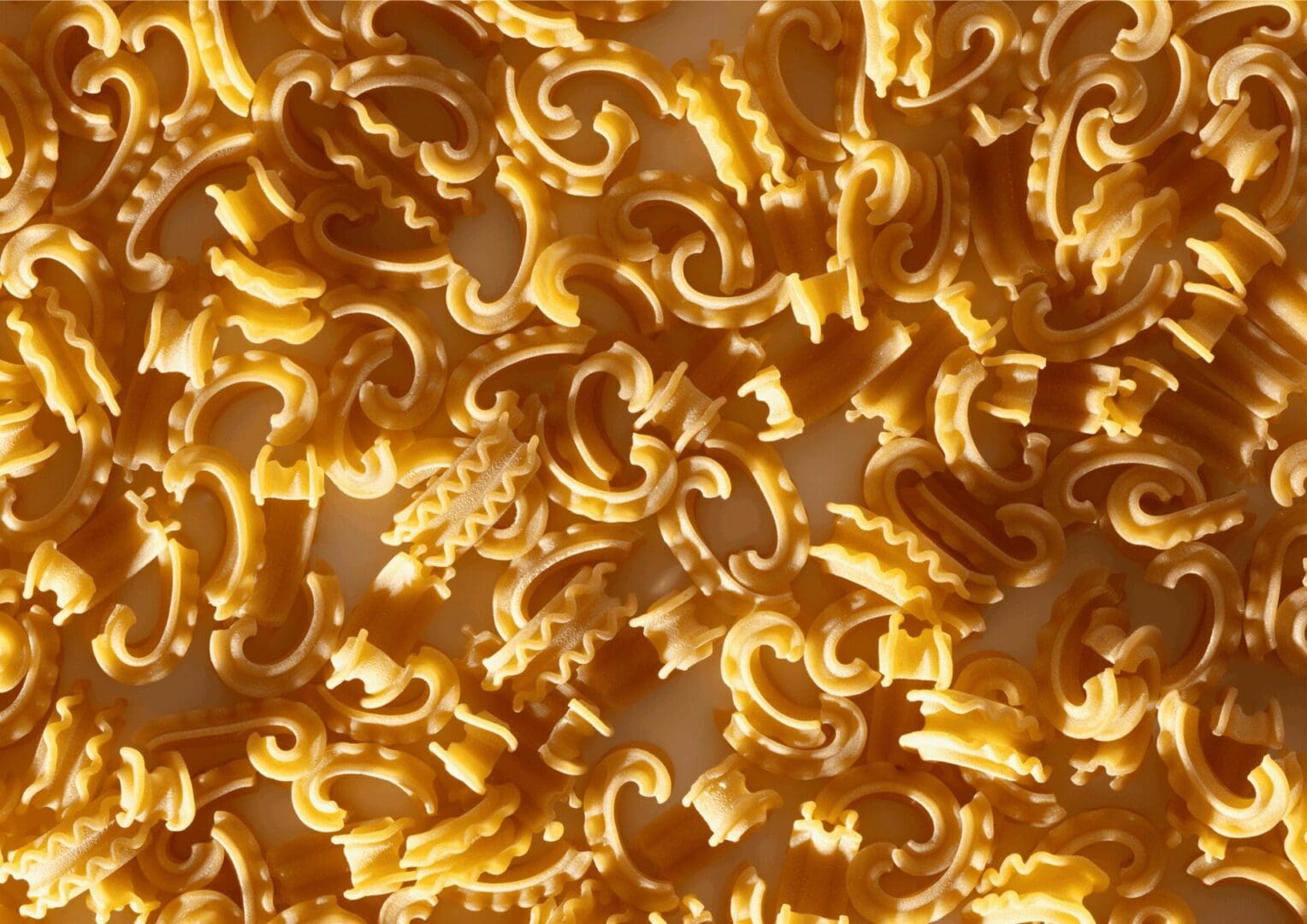
Dan Pashman, creator of Cascatelli and host of food podcast The Sporkful, ranks pasta shapes based on three factors, he says: “one is forkability, which is how easy it is to get it on your fork and keep it there.
“And then there is sauceability, how well the sauce adheres to it.
“And then you’ve got tooth-sinkability, for me that’s a really big one, because I like pastas I can really sink my teeth into, that have a meaty chewy texture.”
When he was creating cascatelli he bought and special ordered every “obscure” pasta shape he could find. “I really gravitated towards ruffles, I think they create a very playful texture in your mouth. I also found that ruffles hold sauce better than tubes with all the little curves, nooks and crannies,” he says.
Pasta is such a staple in our weekly rotation of meals but Dan believes there’s so much more to pasta than we think. He says: “pasta is like music, there are an infinite number of songs that use the same handful of notes and chords, but all sound different from each other by just changing the instrument, tempo, order of the cords for example.
“Pasta is almost always just flour and water, two of the most ancient ingredients on the planet, yet there’s still new things to do with them.”
Bronze vs. Teflon Dies: How Pasta Extrusion Affects The Taste
To make pasta, dough is forced under high pressure through a metal or copper dye, this is called extrusion and is what shapes the pasta into the shapes we know today.
Carey uses “bronze dye” to shape her pasta, she says: “artisan italian pasta is traditionally extruded through bronze tulling, this makes the surface area much more texturised and porous and that’s what really gives the sauce something to cling to.
“Cheap industrial pasta, what we see at the supermarket, is made with Teflon dyes, when the dough is extruded through a Teflon dye it becomes very shiny and really smooth, so if you’ve ever poured a jar of sauce over spaghetti, or any type of pasta that is shiny, flat and smooth the sauce kind of pools to the bottom.”
The Sensory Experience, How Pasta Shapes Engage Our Minds
Carey’s company focuses on exploring new shapes that can bring a new and exciting eating experience. During her research into pasta she came across a Christmas tree shaped pasta, she says: “That’s what started it all, the light bulb went off saying, wait a second, if you can shape pasta like a Christmas tree, what else can you do with it?
“The fact you could actually tailor and create pasta shapes that would engage, excite and surprise people really gave us inspiration.”
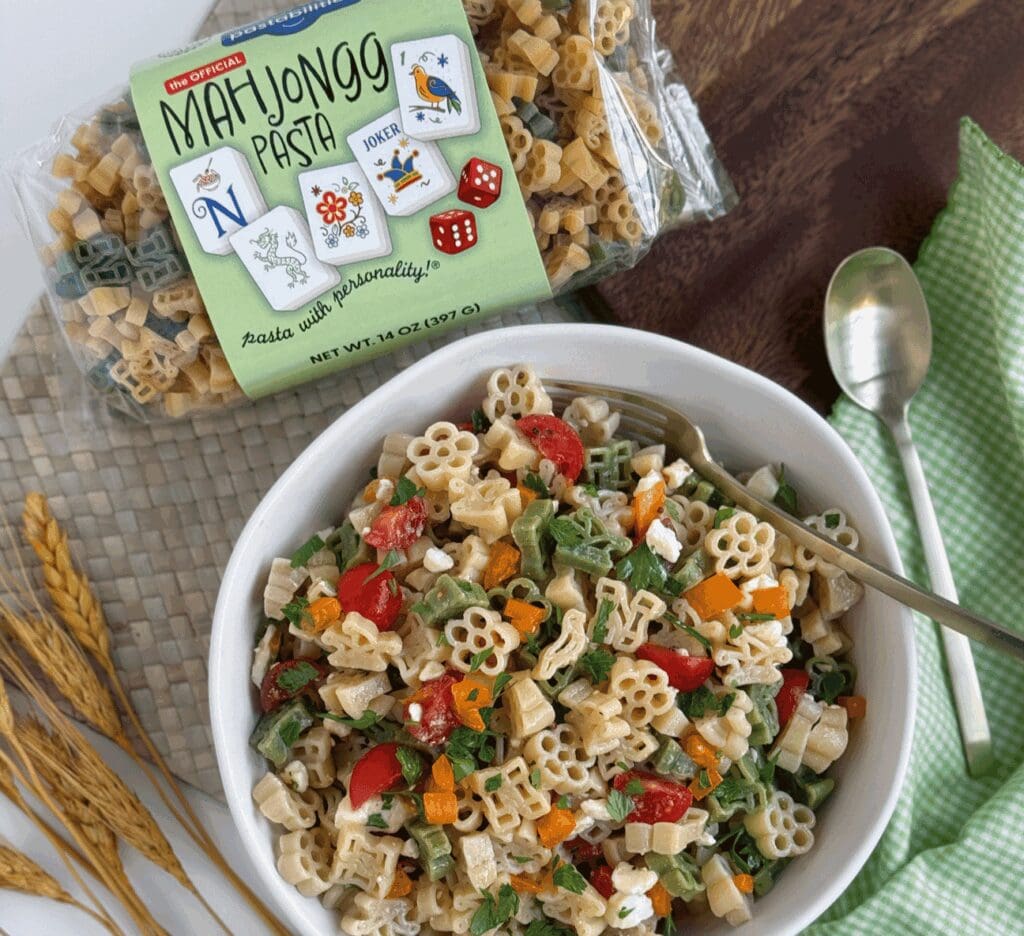
For Carey the shape we are presented with when we eat pasta makes all the difference, not only for taste but also how we experience the meal, “I think a lot of the time, people eat with their eyes, and when it’s beautifully presented, garnished well, or a fun shape, that does add to the experience,” she says.
“Everyone experiences pasta differently, but when you have a fun shape, what we think happens is people slow down, they engage with it more, and it opens up a conversation at the dinner table.”
In addition to this, Dan believes there is “a lot of delight in experiencing something new and exciting,” he says. “Nostalgia is also a big factor, even if there were 100 amazing new pasta shapes invented I don’t think people would ever stop eating spaghetti.”
Is It Time to Upgrade Your Pasta Shape Beyond Spaghetti?
“I think spaghetti isn’t great, and one of the reasons is that it’s very hard to get a good bite of spaghetti, you’re twirling your fork and it’s either too much or or too little, or you have big strands dangling down that are going to get all over your shirt,” he says.
“Or you have a good bite then angle your fork a tiny bit at the wrong angle and it all falls off, I think that is a design flaw.”
Carey agrees, she says: “There’s so much more out there, so many other shapes to explore, I think you should try to find some unique shapes, eat them and open your palette to other ways of thinking.
How to Choose the Best Pasta Shape for Your Next Meal
“I think pasta shapes reveal what little thought people put into the finer points of the eating experience. I think when people really like something they don’t often fully understand why they like it,” Dan says. “People are quite set in their ways, if you like rigatoni, when you’re in the pasta aisle you’re already scanning for rigatoni, you’re not exploring.
“If someone’s been eating the same handfuls of boring shapes their whole life, and then you introduce them to a better shape, that works better on all the principles I’ve laid out, it’s going to blow their minds.”
If you have a sauce in mind that you want to make doing a bit of research into what pasta shape pairs best with it, Carey emphasises, can go a long way, and your kitchen might just be bursting with Italian flavour.