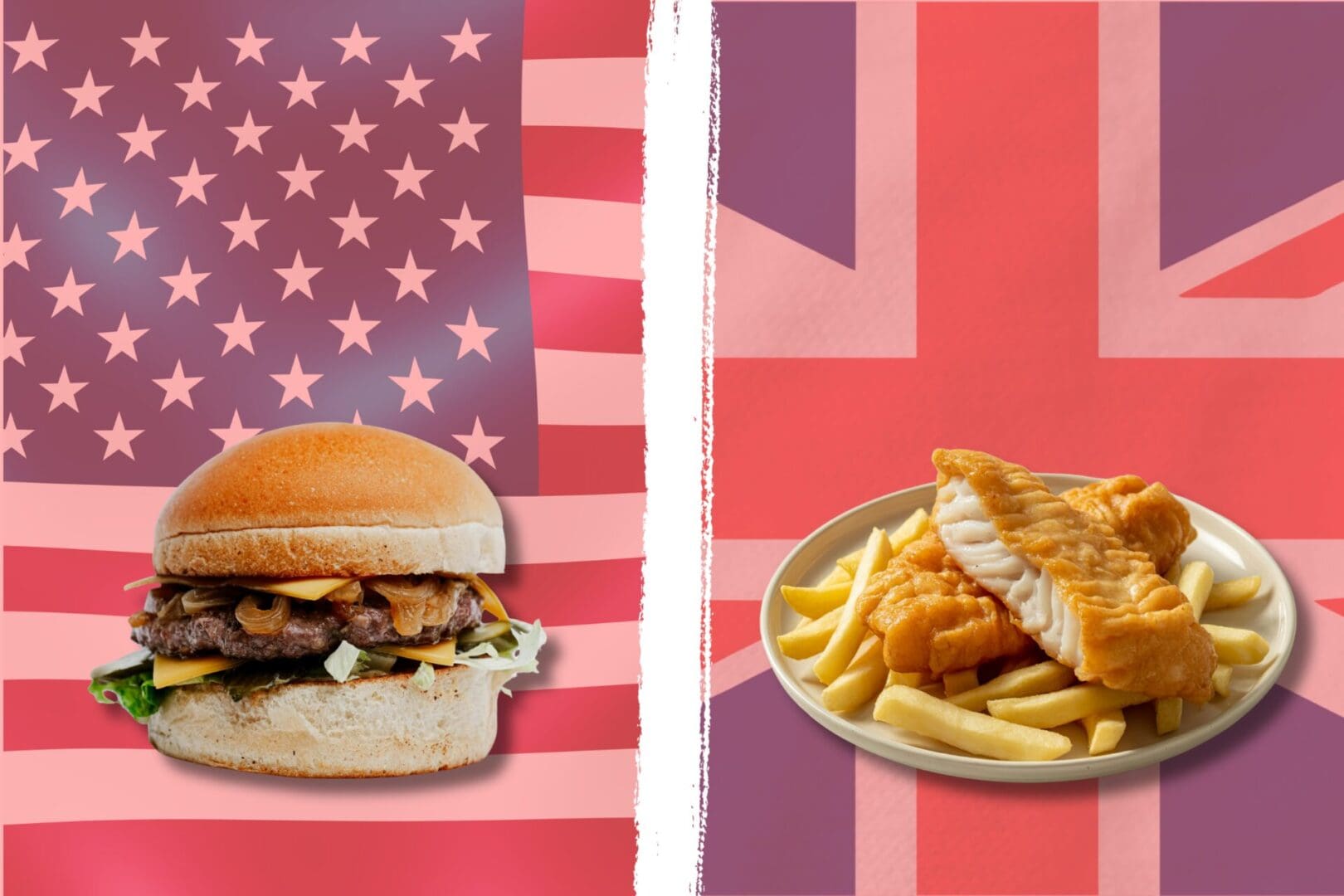
Landing on American soil these days can be a culture shock in many regards. But American food remains one of British tourists’ favourite complaints: “the bread is too sweet”, “the chicken is chlorinated”, “why is that that colour?”, and so on.
It’s safe to say perceptions of the cuisine are not too favourable. Trust in American food is low, with YouGov research showing only 25% of Brits trusting the food standards of our transatlantic allies. The new US-UK trade deal has brought in a 13,000 tonne quota of reciprocal beef trade, but even still half of people surveyed in the UK said they would “not be open at all” to purchasing it from supermarket shelves.
What’s more, social media videos that pitch British and American food against one another make the US equivalents seem like a Bushtucker Trial on I’m a Celebrity.
However, market data tells a totally different story. The UK trades $3.8bn worth of food and agriculture products with the United States – the second-highest in Europe. And a night out is always likely to end up in a American food chain…
So what’s behind the UK’s ambivalent relationship with the cuisine?
Post-war popularity
The cause of a post-war uptick of US on British shores was two-fold. As the country was gripped by rations and austerity in the 1940s, quick and easy American inventions such as Spam and powdered eggs became a core staple in kitchens. In another time, perhaps there may have been greater scepticism. But with meat severely restricted, it was an essential and cheap source of protein thanks to Lend-to-Lease agreement – designed to support US defence funding through food.
The second cause was American soldiers on UK soil, who again introduced new items to an otherwise starved market. Chewing gum and Coca Cola brought over that way, and of course have also remained a staple to this day.
The fast food revolution
It was the star factor of Hollywood movies that glamourised American diners like Wimpy in the 1950s. In the following decade, KFC and McDonald’s arrived and redefined American cuisine as burgers, fries, fried chicken, and food on demand – a shift which changed food culture here forever.
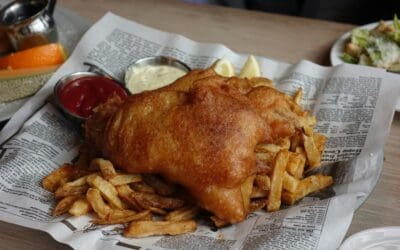
As Danielle La Scala-Lewins, a researcher of British history at De Montford University, wrote in a 2025 article, the fast food revolution triggered a “mix of public emotions”. On the one hand, it was a symbol of abundance and the generous portions of traditional take aways fish and chips. On the other, the quick nature and poorer etiquette made it a longer process for the chains to become profitable and convert more of the population.
The present problem
Nowadays, the cuisine faces a new problem – particularly for foods produced directly in the US. Methods of additives and processing have left many sceptical.
When it was rumoured last month that the US administration was pressuring the UK to accept imports of chlorinated chicken, a petition against the move was signed by more than 110,000 people. Under European laws, it is viewed as a way to get rid of harmful bacteria on poultry that has been farmed in poor conditions.
The US Health Secretary Robert F. Kennedy Jr has launched an initiative against ultra-processed foods and additives banned in Europe. Substances such as titanium dioxide, potassium, bromate, and azodicarbonamide have all been used in baked products and linked to risk of cancer in scientific studies.
The divide
Scepticism and a lack of trust among some Brits towards eating American food largely stems from the science of food safety. But as for an overall disliking of the cuisine, it is clear the history and it influence and rise in the UK negate this.
Interested in more food history? Found out more about the origins of the hamburger.