Walk down the fruit and vegetable aisle of any UK supermarket, and you are hit with a stark choice. On one side, a bag of conventionally grown carrots. On the other, a bag carrying an “Organic” label frequently costs double the price according to LendTree. For a lot of shoppers, choosing the conventional bag comes with a heavy side order of consumer guilt. We’ve been subtly conditioned to believe that organic means safer, healthier, and better for the planet.
But if you step out of the supermarket and talk to the people actually managing large-scale food production, the romanticised myth of the organic fairy tale starts to fracture.
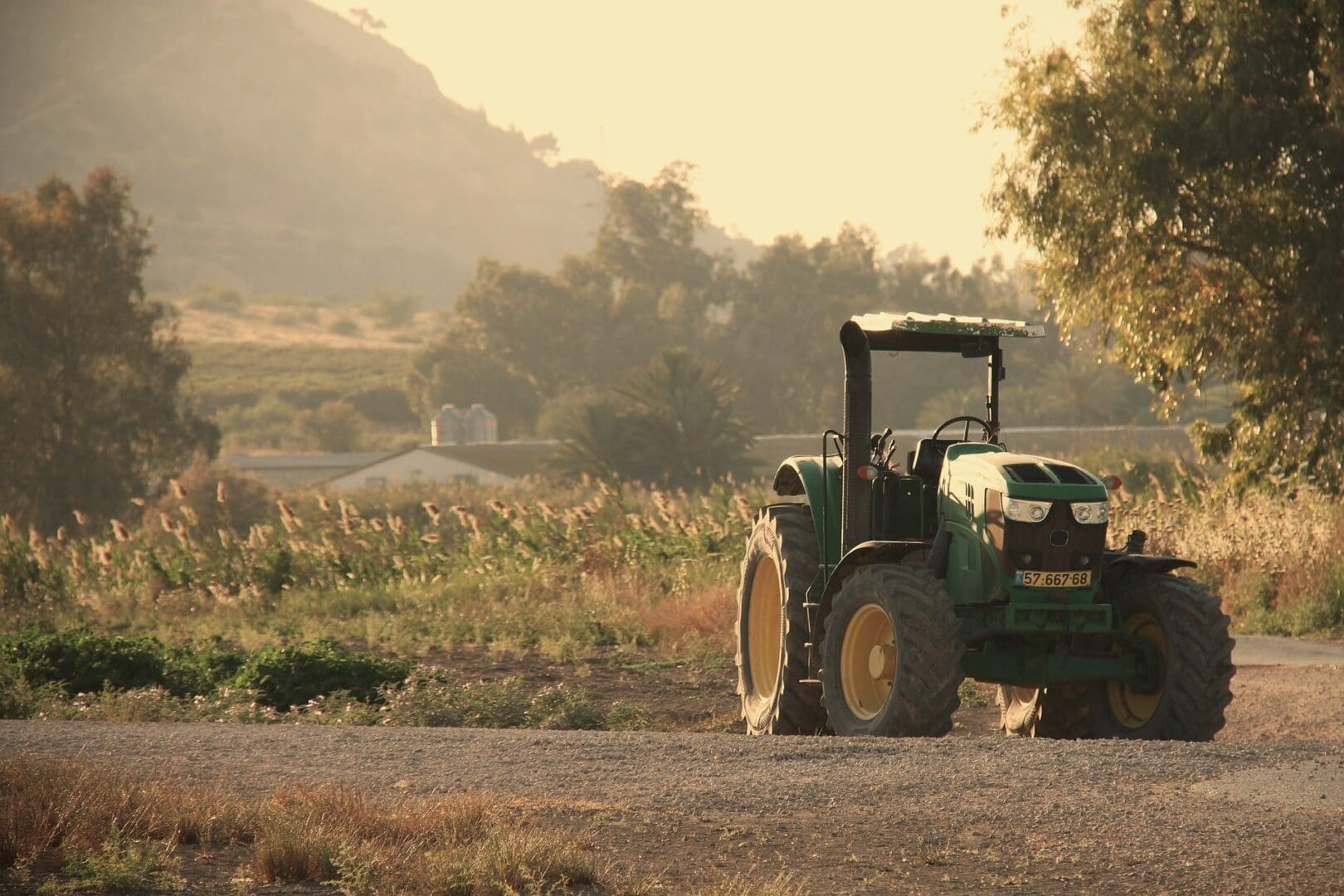
To separate marketing hype from agricultural reality, I interviewed a lifelong commercial farmer, Stephen Tortice, who manages around 7000 arable acres across Norfolk and Suffolk and has tried it all (and who happens to be my dad). “We tried it because we thought maybe there was a market there,” he admits bluntly. “But we couldn’t produce enough product, and the labour costs were just too high. It’s very difficult to grow.”
Here is the unvarnished food science truth about what actually happens when you try to farm under the organic banner.
The 5-Year Financial Trap and the Scalability Problem
One of the biggest misconceptions consumers have is that any farmer can just wake up one morning and decide to stop using synthetic fertilizers. In reality, the bureaucratic and financial barrier to entry is staggering.
“To be organic, you have to leave your land out for five to six years before you can actually go into organic farming so the soil has time to regenerate,” Tortice explains. “You can’t market anything without being part of an accreditation like the Soil Association. That transition period puts the price of the farming up to a very, very high level.”
Because a farm cannot sell its crops at a premium during those transition years, organic farming struggles heavily on a commercial scale. It requires immense, manual labour to survive.
“Organic farming can be done on a small scale, but on a mass scale, it’s a huge production cost,” he notes. When his farm tried growing organic carrots, they had to be entirely hand-weeded. “We had to have them hand-picked because we couldn’t control the weeds as well as we could using normal conventional farming methods. It became very expensive. You can’t sell vegetables for three or four times the normal price because people won’t buy them at that extortionate rate.”
The Nutrient Micro-Timing Problem
From a nutritional science standpoint, extensive meta-analyses have repeatedly shown that organic produce is not significantly more vitamin- or mineral-rich than conventional food. Why? Because a plant’s roots don’t care where their nutrients come from; they only care about chemistry.
However, Tortice points out a massive food-science hurdle with organic growing: nutrient timing.
“The timing for chemicals, nitrogen, phosphates, and potash is given to a conventional plant exactly when it needs it at a specific time,” he says. “With organic applications (like manure), it’s very difficult to get the timing right because they act in different ways. You can’t put the nitrogen on other than at the beginning of the season. It doesn’t make them less nutritious, but they don’t develop as well. The vegetables don’t get as big.”
This matches the broader “Yield Gap” data in agricultural science. On average, organic farming yields are 20% to 40% lower than conventional methods. If the entire UK switched to organic tomorrow, crop yields would “dramatically go down,” requiring far more land resources to feed the exact same population.
The Modern Conventional Shield: “Harvest Intervals”
So, what about the chemicals? Isn’t buying organic the only way to avoid eating pesticide residue?
This is where the unique strength of British agricultural regulation comes into play. The UK has some of the strictest pesticide laws on Earth, and modern commercial farmers aren’t just blanketing fields in chemicals anymore; they use targeted sprayers that only hit specific problem areas.
More importantly, my dad highlights a critical food safety mechanism that supermarkets completely fail to communicate to the public: The Harvest Interval.
“We have strict regulations in what we can do and the timing of chemicals. We can only put certain chemicals on certain crops at certain times, and we have to leave so many days before what we call a harvest interval,” he explains. “So, if we put a chemical on, we might have to wait 21 days before we harvest, so that chemical is completely degraded and gone away. There is no residual left within the soil or the plants.”
Because of these strictly enforced legal windows, the synthetic compounds have safely broken down long before the vegetable ever touches a delivery truck.
Ditch the Guilt: Look for the Red Tractor instead
When asked if consumers should feel guilty for bypassing the organic section to save money, my dad was emphatic: “No, I don’t think they should worry. If some people can afford to buy organic stuff, then that’s all very well. But if people can’t, they shouldn’t go hungry because they are trying to buy organic. Personally, I don’t buy organic because I don’t see the need. Nutrition-wise, there is no difference. Visually, the stuff we produce on a mass scale looks better and is more uniform.”
If you have a limited budget but want to ensure you are buying food that is safe, ethical, and strictly monitored, you don’t need an organic stamp. You just need to look for a little blue and red logo.
“Look for the British Red Tractor,” Tortice advises. “That’s a regulated body. If you are part of the Red Tractor, it means you’ve done everything possible to produce food of the highest quality; from how we look after it, how we store it, and how we transport it. That is a pretty good stamp to say you’ve done your best.”
The Verdict
Organic farming has a beautiful, romantic aesthetic, and it serves a wonderful niche market. But as a science-backed method for feeding millions of people affordably, it hits a wall of high labour costs, lower yields, and intense management challenges.
The next time you shop, remember that British conventional food isn’t a compromise, it’s a highly regulated, scientifically timed achievement. You can leave the shopping guilt at the door.