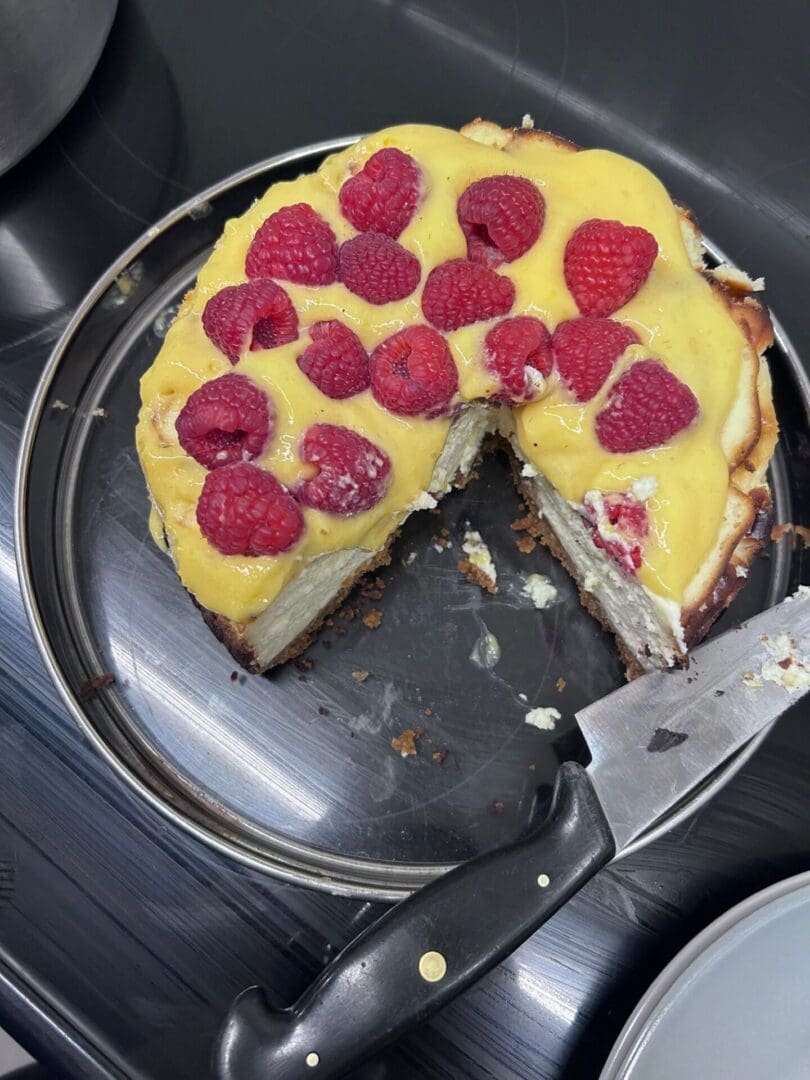
Is it real or just an excuse to order the sticky toffee pudding?
You manage to put away the final mouthful of your dinner. Absolutely stuffed to the brim not a morsel of food remains on your plate, you might as well have licked it clean. But as the waiter heads over to your table and asks ‘Would you like to see the dessert menu?’ you pause. Although you’re fit to burst, there’s always room for dessert. Right?

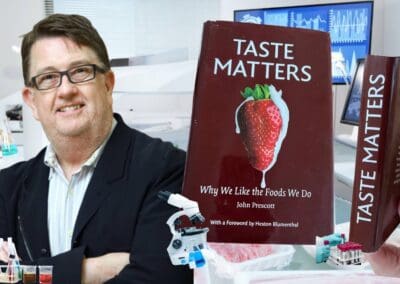
According to Dr Giles Yeo, Professor of Molecular Neuroendocrinology at the University of Cambridge, it’s actually hardwired into our biology.
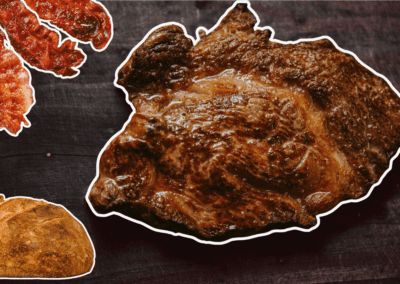
To understand why our brains betray our waistlines, we have to travel back 50,000 years to our hunter-gatherer ancestors. Imagine spending four days tracking an antelope, burning 2,000 calories just to haul it back to the village. In a world where the next meal is never guaranteed, your survival depends on consuming as much energy as possible right now.
When you gorge on protein rich food like venison, your stomach physically fills up Dr. Yeo explains. But your brain’s hedonic region (the part of the brain that controls pleasure and satisfaction) takes over to ensure you don’t stop eating before storing maximum energy. It does this by shifting the cravings towards foods with a higher caloric density. In other words, more calories per gram.’
“If you had a couple thousand calories of venison what’s going to happen is you’ll be full and not able to eat anymore. So your brain begins to change the kind of calories it creates. It increases the caloric density of food it wants to eat, every given gram of food has more calories in it.”
“This begins as a mechanical problem to try and keep yourself alive. So what is naturally high in calorie density? Foods that are high in sugar and foods that are high in fat” explains Dr. Yeo
Although this energy seeking behaviour isn’t unique to humans enquiring about what the dessert of the day is.
In Canada, grizzly bears preparing for hibernation face the same biological directive, put on as much weight as possible. Initially, they eat the entire salmon but as they begin to get fuller and fatter, their behaviour changes. They start leaving the protein rich meat behind, choosing to only eat the fatty salmon skin.
“So whilst desserts are a human cultural phenomenon, the bear isn’t having a tarte au citron, the phenomenon of changing the calorie density of foods that you crave as you get fuller, that is an evolutionary phenomenon.”
Ultimately, the dessert stomach isn’t a myth invented by greedy diners or kids hoping to convince their parents of a sundae; it’s hardwired into evolutionary history. It is the brain’s clever mechanical solution to keeping us alive, shifting our cravings from heavy proteins to dense fats and sugars when space runs out. We might not be chasing antelopes through the wilderness anymore, and we certainly aren’t grizzly bears skinning salmon, but our brains are still playing by the old rules. Go ahead and order that sticky toffee pudding or tarte de citron. After all, some may say it’s a matter of survival.