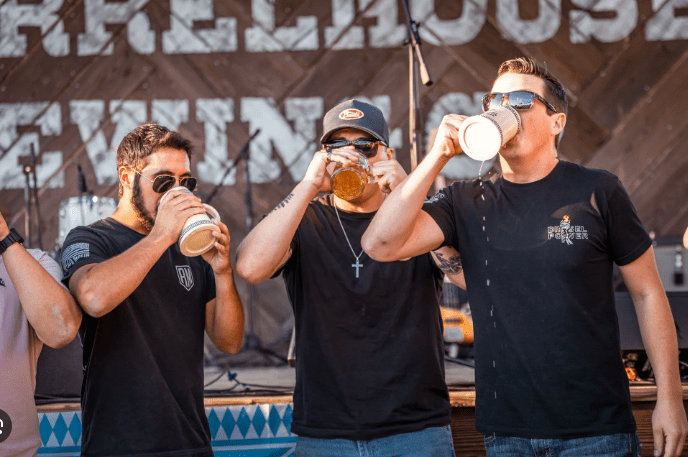
From post night-out kebabs to carefully matched wine and cheese boards, alcohol has long shaped the way people experience food. But beyond lowered inhibitions or late-night cravings, research suggests alcohol may actually change how we perceive taste itself. Alcohol could potentially alter flavour, reward and even how appealing the food appears.
Beer goggles, but for food
One of the most well-known ideas in psychology is the ‘beer-goggles’ effect, where alcohol changes visual perception of attractiveness. According to sensory psychologist Professor Charles Spence, this concept can also be extended beyond people and applied to food.
“One could consider the literature on the beer goggles effect,” he says, “and extend that logic to food. Intoxication will likely make mildly visually attractive food look more appealing.”
Essentially, alcohol may not just make us more impulsive, it may genuinely shift how appealing food appears in the first place.
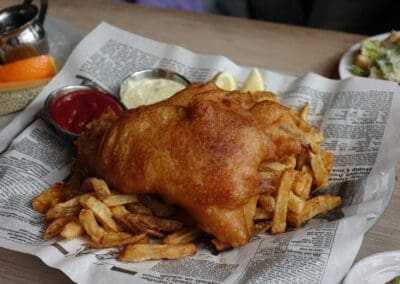
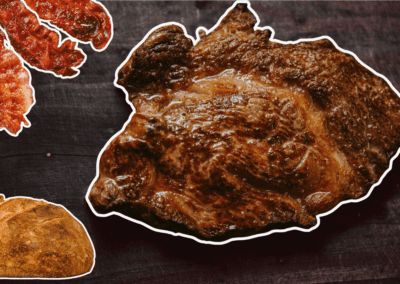
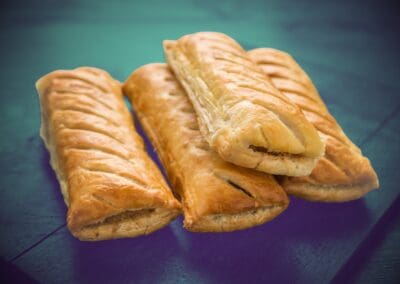
This helps to explain why foods that might seem ordinary when sober can feel irresistible after drinking. Late-night choices are often high in salt, fat and carbohydrates, such as chips, pizza or kebabs. While this is often framed as poor-decision making, part of the explanation may lie in how alcohol affects reward processing in the brain, increasing sensitivity to immediate pleasure and reducing longer-term judgement.
Why atmosphere changes flavour
But perception is not only about the food itself. The environment in which food and drink are consumed plays a significant role in shaping flavour. According to Spence, atmospheric factors such as music, lighting and social context can have a strong influence on how we experience taste.
“It has a huge impact because of how much psychological and sensory factors shape our eating and drinking experience.” he says.
This means that the same meal can taste noticeably different depending on where it is eaten. A burger in a loud, dimly lit bar after a few drinks may feel richer and more satisfying than the same meal eaten at home in silence. Alcohol adds another layer to this effect by altering both mood and sensory attention, making people more responsive to their surroundings.
Why certain food and drink pairings feel ‘right’
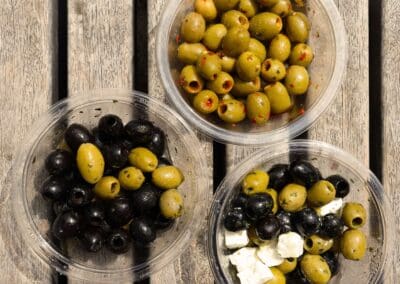
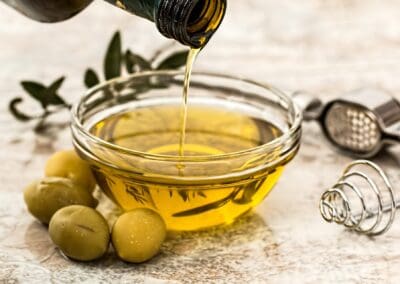
There is also a cultural dimension to why certain combinations of food and alcohol feel naturally linked. Usually, these pairings are shaped by tradition and regional habits. Spence says that wine and food pairings, for example, often follow long-standing cultural traditions, such as Italian wines with olives or American IPA beers with barbecued food.
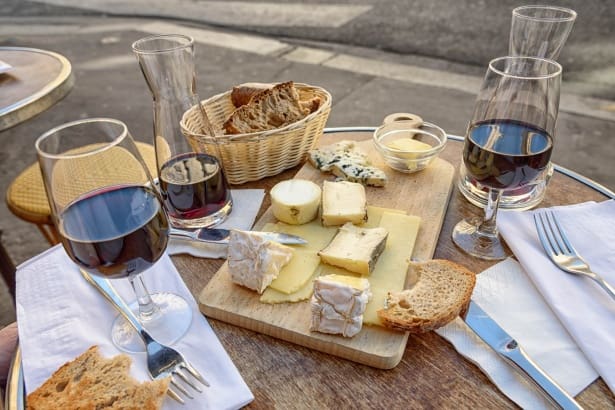
Some of these combinations may even have evolved together over time, which reinforces this idea that taste is not fixed but shaped through repeated experience and expectation.
As food pairing has become more formalised in restaurants and hospitality, it has also expanded into everyday drinking culture. What began as high-end culinary practice has now become a marketing tool and a popular area of consumer interest, with food and drink increasingly designed to complement one another.
Alcohol, reward and perception
However, alcohol’s influence on taste perception goes beyond pairing alone. It also affects how sensory signals are processed in the brain. When alcohol is consumed, it can dampen certain inhibitory responses while enhancing the sense of reward associated with eating. This may help explain why food feels more enjoyable, more indulgent and sometimes more memorable after drinking.
Rather than simply lowering self-control, alcohol may subtly reshape how the brain interprets flavour, atmosphere and reward at the same time.
What this reveals about taste
Ultimately, the relationship between alcohol and food reveals something broader about eating behaviour. Taste is not purely objective or fixed, but deeply influenced by context, emotion and sensory expectation.
As Charles Spence’s work in gastrophysics suggests, what we eat is only part of the experience. Where we are, who we are with, and how we feel in the moment all play a role in shaping flavour, and alcohol simply intensifies that effect.
Want to know more about the alcohol you’re drinking? Click here