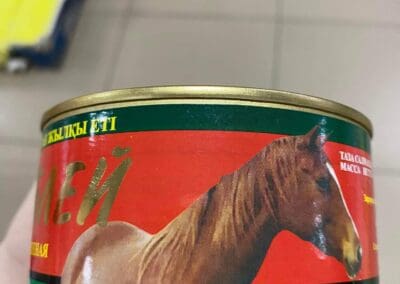
For the vast majority of Sian Hughes’s childhood supper wasn’t really a thing. She ate well at dinner and she could have as much as she liked, but when it was done it was done. Yet at her Welsh grandmother’s house, those rules quietly dissolved. “The men would leave for the pub, happy to talk all things ‘bloke’ for the evening, while the women stayed behind to prepare the table. Out came hearty sandwiches made from thick slices of crusty white bread, heavy with rich, salty butter. Then the ‘York ham’ , the kind that came in a tin, and opened with a little metal key, sealed in jelly.
My grandmother would slice it thick, spreading mustard over buttered bread before stacking the ham into towering piles of sandwiches that took centre stage on the table. Beside them sat her homemade bara brith, to this day it’s the best thing I’ve ever tasted, with yet more butter generously slapped on top. I’d pull up a chair, eager to get to the table as quickly as possible, shuffling into place in the hope my plate would be served first. My eyes would run the length of the table, already groaning under the weight of all the food.It would be served around ten, maybe half past. But to five-year-old me, it felt like a midnight feast. It was illicit, indulgent and utterly joyful.”
Memory on a Plate
How many of us have a memory of food that would take us straight back to childhood? It could be the special pasta sauce your Dad would make on a Sunday or simply a chocolate bar from the corner shop at the end of your road. But what’s actually going on behind the scenes to evoke such a strong sense of memory?
Often referred to as food-evoked nostalgia, this idea looks at the unique role taste and smell play when it comes to our senses. Unlike sight or sound, they bypass most of the brain’s filtering systems and head straight for the Limbic System (the part responsible for memory and emotion).
Psychologist and memory neuroscientist Hadley Bergstrom, professor of psychology at the University of Vassar explains that when we’re talking about food nostalgia we have to look at the wider context.
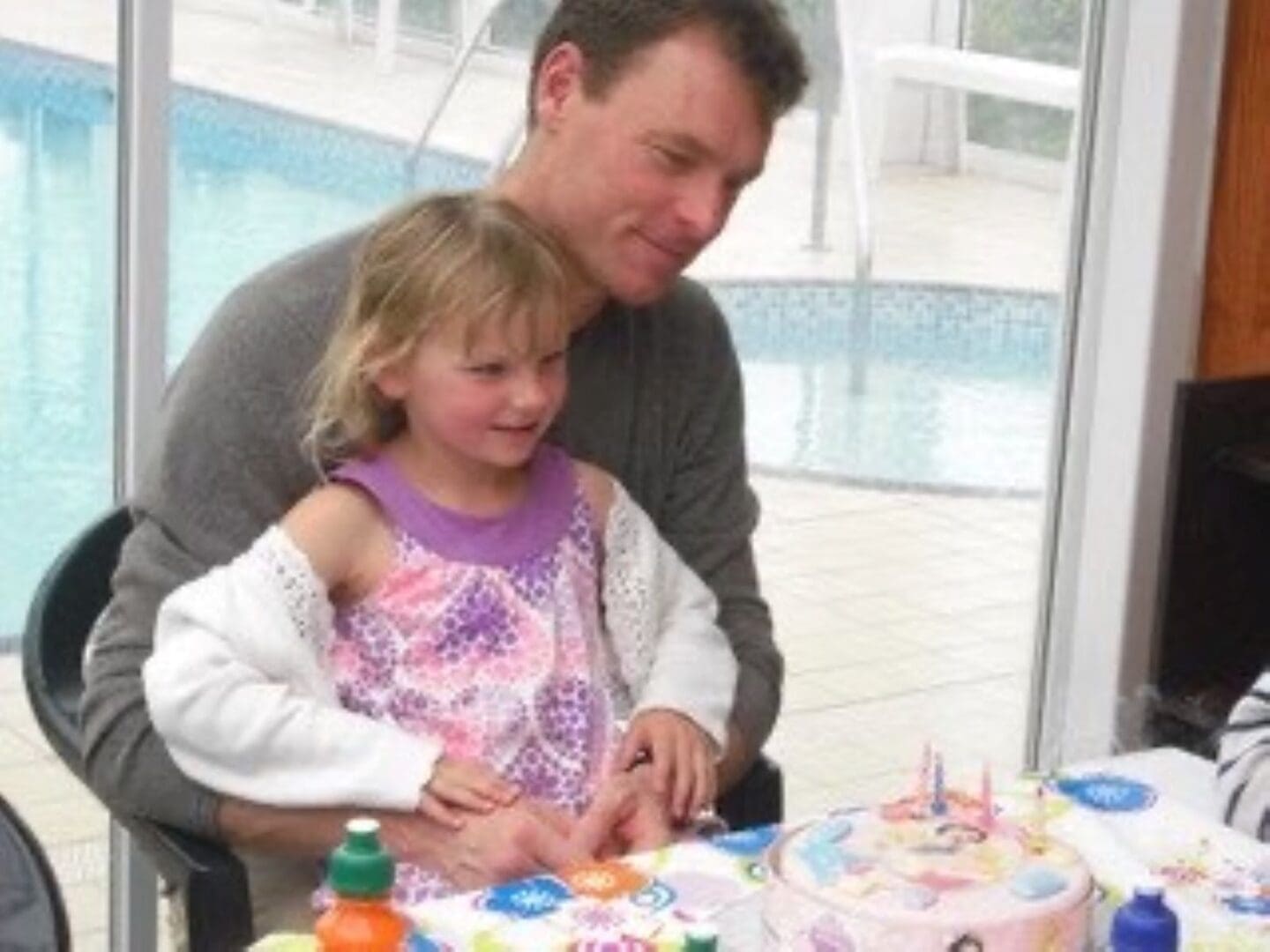
“Food nostalgia is not necessarily about the food itself but the memories that it evokes. Food associated with a birthday party is a good example. For instance, the food at a birthday party is not necessarily the most salient stimulus but rather the friends, family and events that make up the birthday party. So, in essence, the food evokes the good feelings of the party as a whole and all of the good feelings around it, that’s what might make us nostalgic.”
Let’s try looking at it another way. Think of a close relative, your Grandma, Grandad or maybe an Uncle and recall a dish they were famous for, maybe one they always brought to family gatherings. Professor Bergstrom explains it’s not the food itself that triggers nostalgia, but the wider context surrounding it. “There isn’t a single cell that encodes and processes your memories, It’s a distributive network. So Grandma Lou and her meatballs say, also represent all the wider context like smell and sound, not simply her meatballs.”
Scientists have coined this concept the ‘proustian moment’, a vivid involuntary memory triggered by a sensory experience. The term originates from the French writer Marcel Proust, who described how the taste of a madeline dipped in tea instantly brought back detailed childhood memories.
“The idea of nostalgia,” Bergstrom says, “Is about bringing you back to home. Of course it’s nostalgia for the food, but the food is representative of the bigger picture.”
Food psychology researcher, Jeff D. Reid supports this holistic view. “Nostalgia involves more than taste,” he says “Nostalgia is tied to one’s own autobiographical memories. Even a sibling of yours, for example, might not have the same nostalgic foods you do if they had a different experience, like they didn’t enjoy the same holiday as you did.” In the end, it’s the combination of taste and context that connects a food to a cherished memory.
When Chris Bennett was 11 he would go and stay with his grandparents in York, where they ran a little off licence by a race course. As soon as you walked in and the bell rang above your head the smell would hit you: sweet, sharp and slightly medicinal probably because of all the alcohol soaked into the wooden floors.” I loved spending holidays there and I would work for an hour or two in return for a bag of crisps or a can of pop at the end of the day. One of my evening jobs was to go round and empty the drip trays that sat beneath the taps, the kind used to fill bottles straight from the keg. Rum, sherry, spirits of all kinds would collect there over the course of the day. At the end of the night, my grandmother would tip the contents into a glass and hand it to me. It was a strange, warming concoction, and undeniably rather strong. Funnily enough, I’d be out like a light soon after. Thinking about it now, it sounds appalling. But at the time, it was something secret and indulgent, tied up with the comfort of being there. Even now, the smell of sweet alcohol can take me straight back to that shop; the sticky floors, the humming fridges, the quiet pride of being trusted with a job.”
From Memory to Menu
Now we are starting to understand the science behind food nostalgia. What does it look like when industries get their hands on this idea?
Nostalgic marketing doesn’t always translate into present-day sales. This is something that Maeve Webster, President of Menu Matters and leading consultant for the food industry understands better than most.
“I think the industry has created its own problem by using trends as a short cut for creativity and innovation. Take ube, the vibrant purple drink that crops up in loads of beverages, Starbucks grabbed that trend and ran with it. They are moving so quickly and nostalgia and comfort is a great example of this. You can’t say to yourself, nostalgia is ‘on trend’ or comfort is ‘on trend’ so that’s what we’re going to focus on. It has to be more of a question of does it fit your brand identity or strategy? Otherwise you can be in danger of eroding your own brand identity and the relationship you have with your customers.”
How often do you find yourself walking into a restaurant and are greeted with a menu littered with ‘Grandma’s recipe’ ‘old-school’ style cooking or even ‘retro’. Food nostalgia has become a glossy marketing shortcut, a way for restaurants to sell a feeling rather than cook with one.
Webster explains “Comfort food for me takes the form of Irish stew and soda bread. My mother immigrated over to the States and it was something that she would always make for me growing up.”
Bites of Nostalgia
We don’t always reach for comfort food because we’re hungry. Sometimes we reach for reassurance. Indulging in the past and being able to re-live those happy memories is actually good for us, when done in moderation.
“Food is deeply tied to culture, family and identity, making it a powerful trigger for nostalgia,” says Dr Megan Lee, Assistant Professor at Bond University. “Our study highlights that nostalgic eating often improves mood, fosters social connection, and reinforces identity-continuity. Understanding this link is important because it provides a non-invasive, lifestyle-based approach to promoting mental health. Harnessing food-evoked nostalgia could help individuals repair negative moods and enhance wellbeing, which is particularly relevant given the global burden of mood disorders.” Dr Lee’s research suggests that nostalgic foods could even be used in therapeutic settings. For example, mental health sessions might use familiar dishes to evoke comforting memories, either individually or in group interventions. Cooking or sharing nostalgic meals can foster a sense of belonging and help reduce loneliness. In essence, food nostalgia functions as an emotional support system and when used correctly can be a tool for stress management to encourage mindful nostalgic eating as a coping strategy.
So where does that leave us?
In the end, the foods we remember most fondly were never just about the taste. They were shaped by time, place and the company that we kept. It wasn’t really the thick cut ham and mustard sandwiches at Grandma’s or the dodgy drip trays in the ‘oofie’. Nostalgia isn’t something that can be sold; it’s something that’s lived, remembered, and carried with you long after the last bite.